 Clinical Phenomena
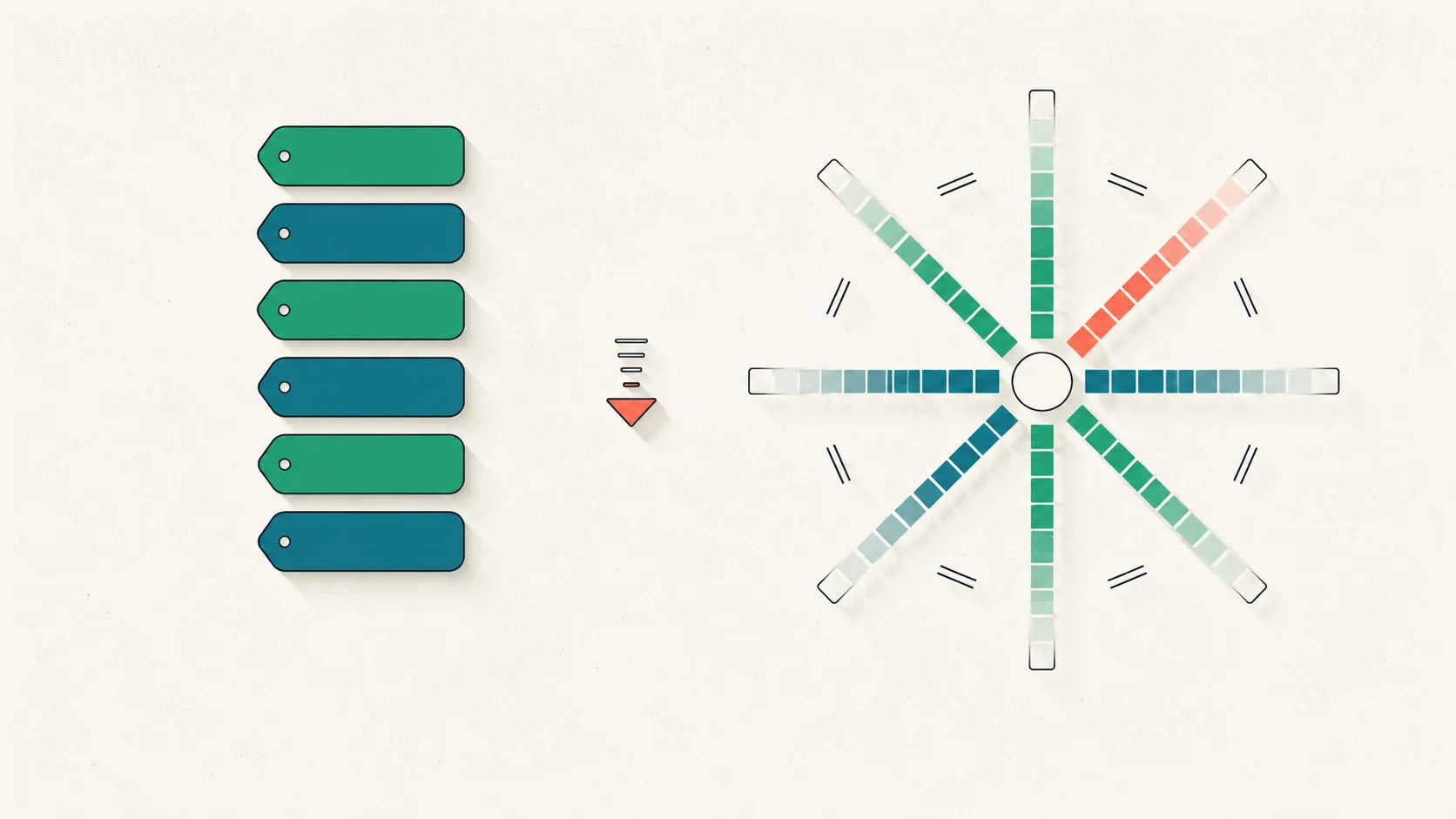
Ekman vs Plutchik: Which Emotion Model to Label With?
Ekman vs Plutchik for annotation: 6 discrete emotions or 8 with intensities and dyads, and why more categories lower agreement. See which to pick.
Read
7 articles
Speech is a window into cognition, and clinical research has spent a century building vocabulary for what it sees there: derailment, tangentiality, poverty of speech, perseveration, pressure of speech. These articles are about recognizing those phenomena in real transcripts—not the textbook one-liner, but the boundary cases that make two trained raters disagree.
Each phenomenon gets the same treatment: what the construct means, how the major assessment scales (TLC, PANSS, BPRS) operationalize it, worked examples in synthetic transcript text, and the coding decisions that separate a defensible annotation from a guess. Because the hard part is never the prototypical case—it is deciding where circumstantiality ends and tangentiality begins, or whether a repeated phrase is perseveration or emphasis.
This is the domain content that annotation projects in computational psychiatry, speech-language pathology, and psychotherapy research are built on. It pairs naturally with the Reliability & Agreement section: a construct you cannot annotate consistently is a construct you cannot study.
Clinical PhenomenaEkman vs Plutchik for annotation: 6 discrete emotions or 8 with intensities and dyads, and why more categories lower agreement. See which to pick.
 Clinical Phenomena
The cognitive distortions list, explained: all 10 CBT thinking errors with definitions and examples, where the list came from, and why they resist coding.
 Clinical Phenomena
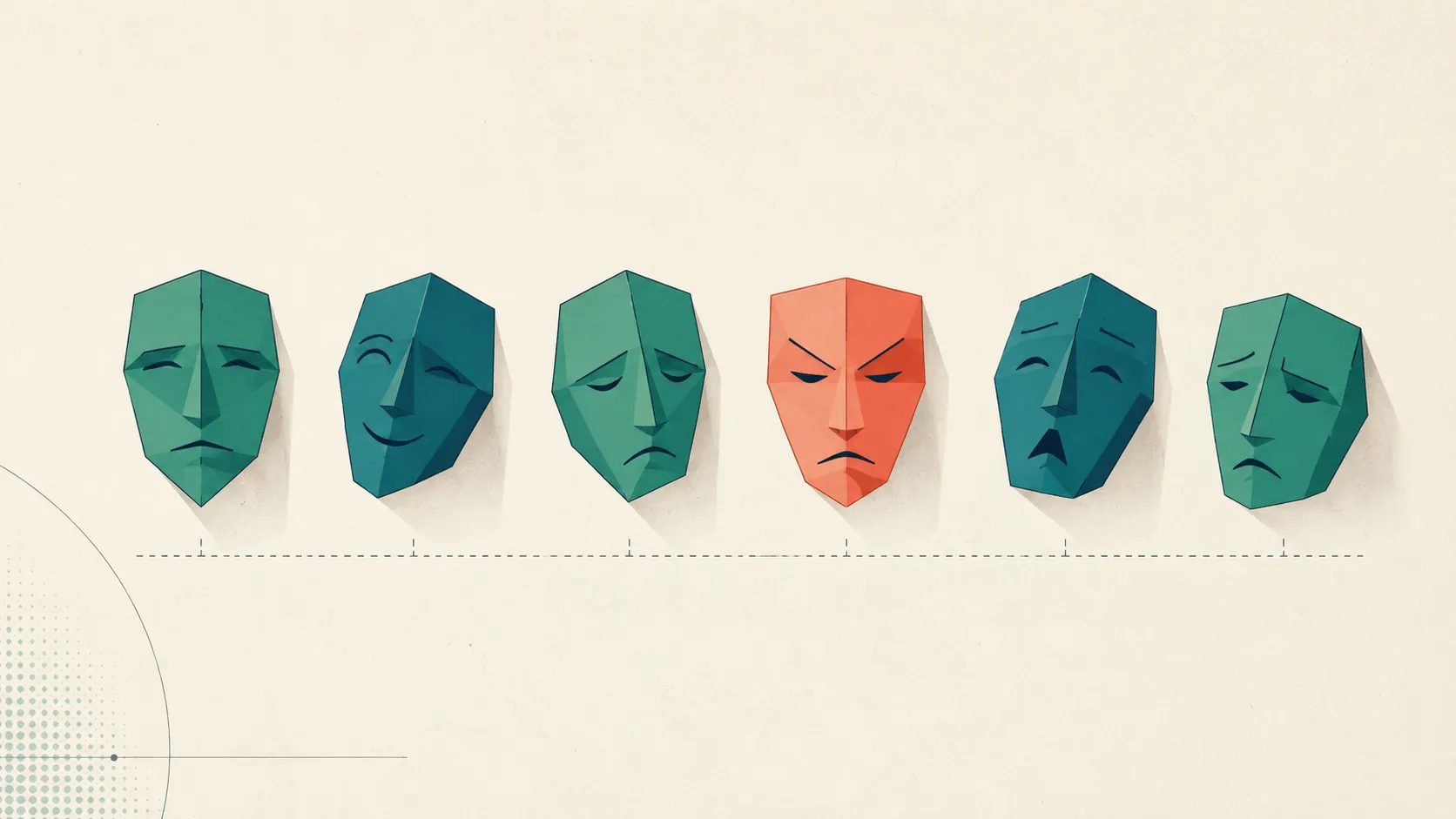
Ekman's basic emotions are six universal states: anger, disgust, fear, happiness, sadness, surprise. See why they anchor most emotion datasets.
 Clinical Phenomena
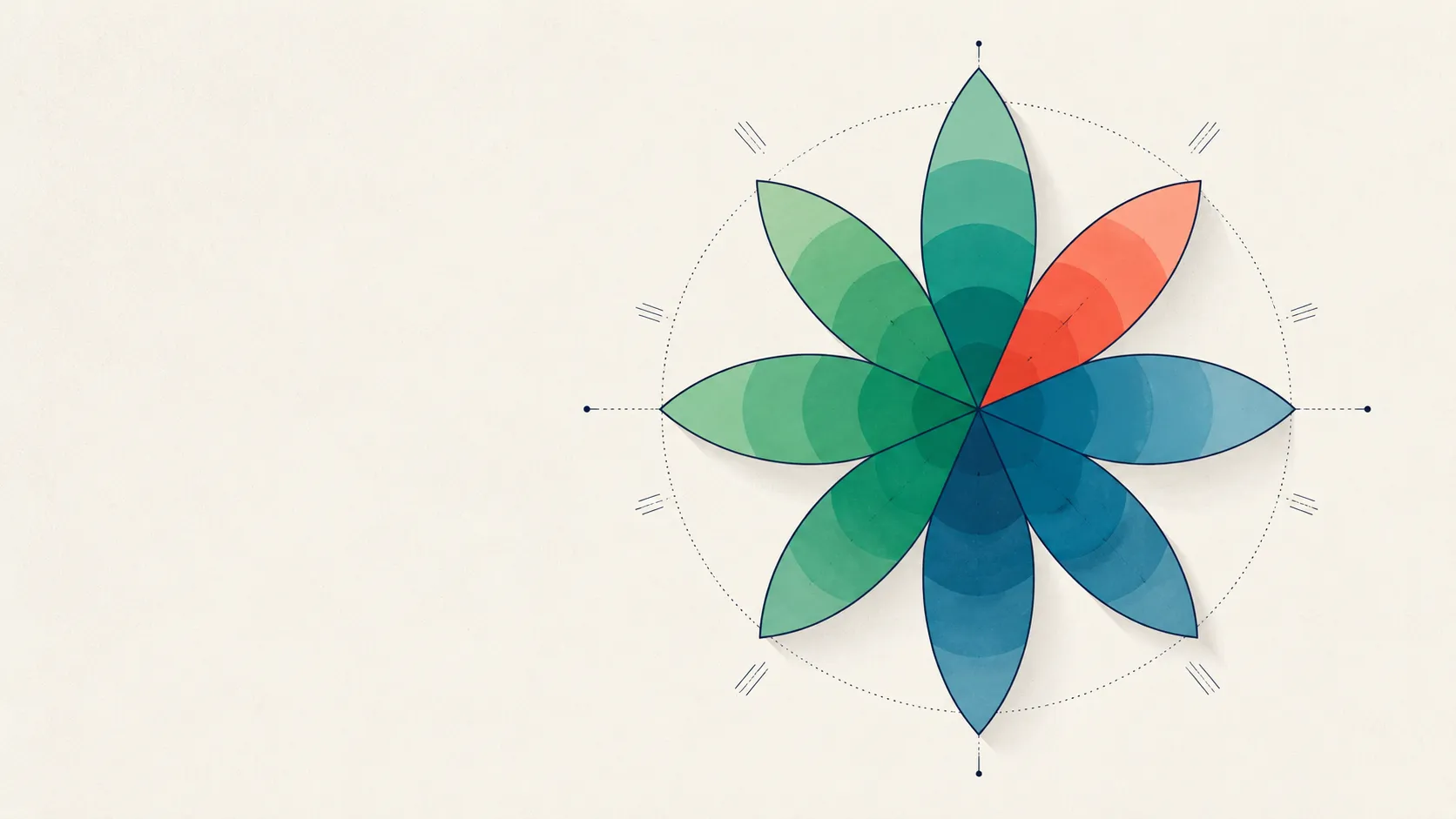
Plutchik's wheel of emotions maps eight primaries into four opposing pairs, with intensity rings and dyads. See how to label emotion in text.
 Clinical Phenomena
Poverty of speech is the core of alogia. See the four SANS alogia items, how they differ from poverty of content, and how to code each from a transcript.
 Clinical Phenomena
Positive formal thought disorder is disorganized speech you can see. Meet the SAPS FTD items, how they differ from the TLC and SANS, and how to code them.
 Clinical Phenomena
The Thought Language and Communication scale (TLC) is Andreasen's glossary of disordered speech. See the items, the reliability data, and how to code them.