 Rating Scales
Auditable Clinical Ratings: Score From the Transcript
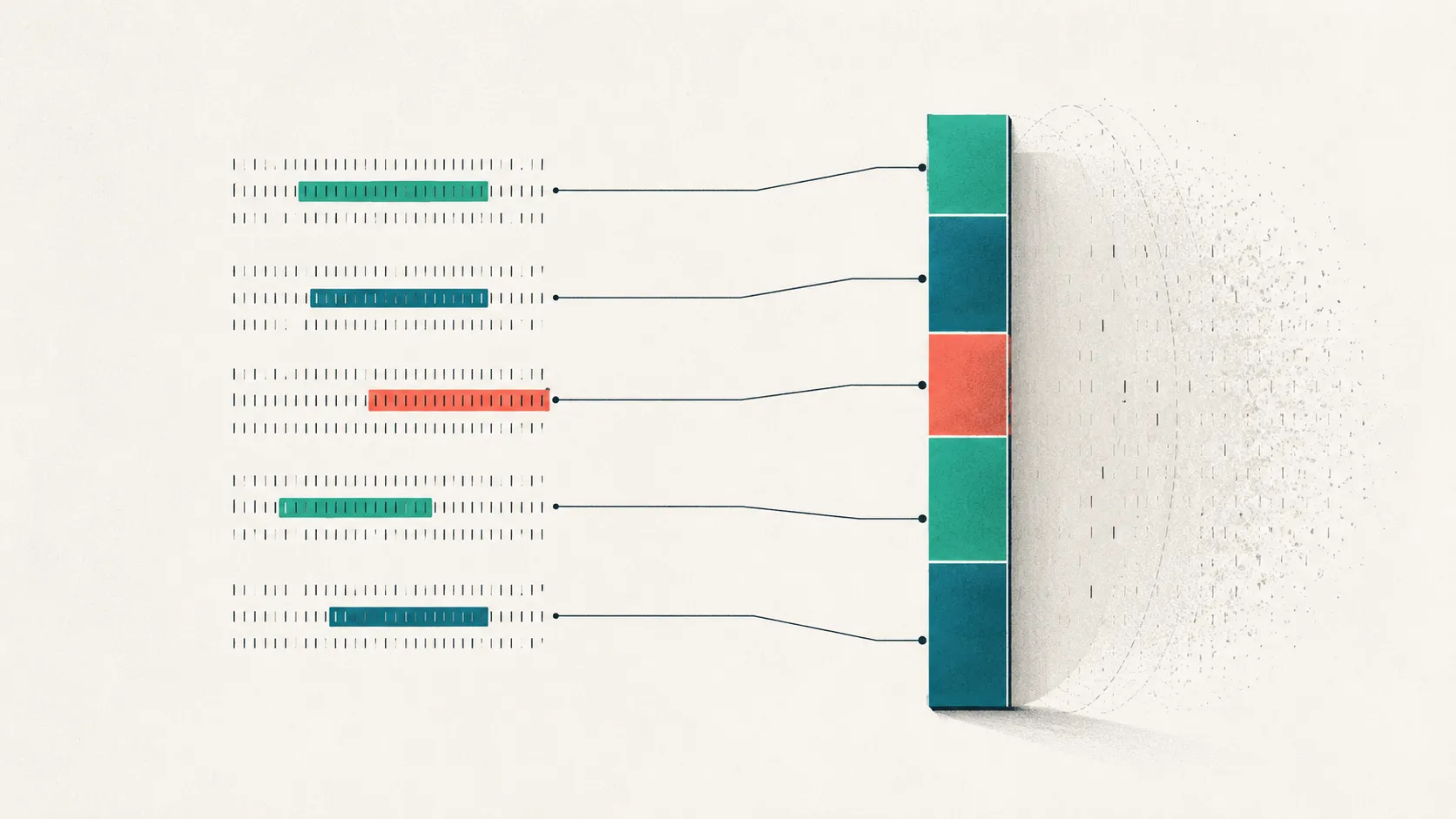
Build an auditable clinical rating by tying every scale item to a quoted line, not a global impression. See how span-grounded scoring works.
Read
The Tagaroo Blog
Field notes on annotation: inter-rater reliability, clinical rating scales, qualitative coding, image labeling, and running annotation campaigns that hold up.
0 matching articles
Validated clinician- and self-report instruments — items, anchors, cutoffs, and how to code them from a transcript.
Rating ScalesBuild an auditable clinical rating by tying every scale item to a quoted line, not a global impression. See how span-grounded scoring works.
 Rating Scales
BPRS vs PANSS compared: item overlap, the positive-negative-general structure, trial usage, and score linking. See which psychosis scale to use.
 Rating Scales
Depression rating scales compared: HAM-D, MADRS, PHQ-9, and content analysis by rater, item count, and change-sensitivity. See which fits your study.
 Rating Scales
GAD-7 vs HAM-A compared: the 7-item self-report anxiety screen against the 14-item clinician-rated severity endpoint. See which anxiety scale to use.
 Rating Scales
TLC vs SAPS thought disorder, compared: the 18-item TLC glossary vs the 8-item SAPS positive-FTD subscale, with an overlap grid and when to use each.
 Rating Scales
MADRS vs HAM-D compared: items, somatic weighting, sensitivity to change, score conversion, and remission cutoffs. See which depression scale to use.
 Rating Scales
The Brief Psychiatric Rating Scale (BPRS) rates psychopathology on 7-point items. See the scoring, the factor structure, BPRS vs PANSS, and how to code it.
 Rating Scales
The Hamilton Anxiety Rating Scale (HAM-A) is a 14-item clinician measure. See the psychic and somatic items, the scoring, the cutoffs, and how to code it.
 Rating Scales
The GAD-7 is a seven-item anxiety screen. See the 5/10/15 severity bands, the ≥10 cutoff, and how to code it from an interview transcript.
 Rating Scales
How the Hamilton Depression Rating Scale (HAM-D) is scored and coded: the 17 items, the 0–52 range, remission and response cutoffs, and its known flaws.
 Rating Scales
MADRS scoring explained: the 10 clinician-rated items, the 0-6 anchors, severity bands, and the response and remission cutoffs. See how it's coded.
 Rating Scales
PHQ-9 scoring made clear: what the nine items measure, the 0-3 anchors, the severity bands, the ≥10 cutoff, and how to code a PHQ-9 from an interview.
 Rating Scales
The Young Mania Rating Scale (YMRS) explained: its 11 items, the four double-weighted items, severity bands, and how to rate mania from interview speech.
What the constructs actually look like in speech — and how to annotate them consistently.
 Clinical Phenomena
Ekman vs Plutchik for annotation: 6 discrete emotions or 8 with intensities and dyads, and why more categories lower agreement. See which to pick.
 Clinical Phenomena
The cognitive distortions list, explained: all 10 CBT thinking errors with definitions and examples, where the list came from, and why they resist coding.
 Clinical Phenomena
Ekman's basic emotions are six universal states: anger, disgust, fear, happiness, sadness, surprise. See why they anchor most emotion datasets.
 Clinical Phenomena
Plutchik's wheel of emotions maps eight primaries into four opposing pairs, with intensity rings and dyads. See how to label emotion in text.
 Clinical Phenomena
Poverty of speech is the core of alogia. See the four SANS alogia items, how they differ from poverty of content, and how to code each from a transcript.
 Clinical Phenomena
Positive formal thought disorder is disorganized speech you can see. Meet the SAPS FTD items, how they differ from the TLC and SANS, and how to code them.
 Clinical Phenomena
The Thought Language and Communication scale (TLC) is Andreasen's glossary of disordered speech. See the items, the reliability data, and how to code them.
Coding schemes, taxonomies, and protocols for turning language into structured data.
 Methods & Frameworks
How the VR-CoDES coding system codes patient emotional cues versus concerns and the provider response, using the providing-space vs reducing-space axis.
 Methods & Frameworks
Annotation fatigue erodes label quality within a session. See the vigilance-decrement evidence and the breaks, caps, and catch-trials that hold it steady.
 Methods & Frameworks
Annotator burnout has clear causes and warning signs. Learn the drivers, symptoms to watch for, and the workload and rotation practices that prevent it.
 Methods & Frameworks
Evidence mode rates the whole transcript once and cites its supporting spans; instance mode tags each occurrence. How the choice reshapes reliability math.
 Methods & Frameworks
Ethical data annotation means fair pay, conditions, contracts, management, and representation. Audit any vendor against the Fairwork standard.
 Methods & Frameworks
Concrete protections for sensitive content annotation: informed consent, exposure limits, grayscale and blur defaults, and debriefing. Get the protocol.
 Methods & Frameworks
Localize a rating scale for coding in a second language: what back-translation validates, what it misses, and how to re-anchor the coding examples.
 Methods & Frameworks
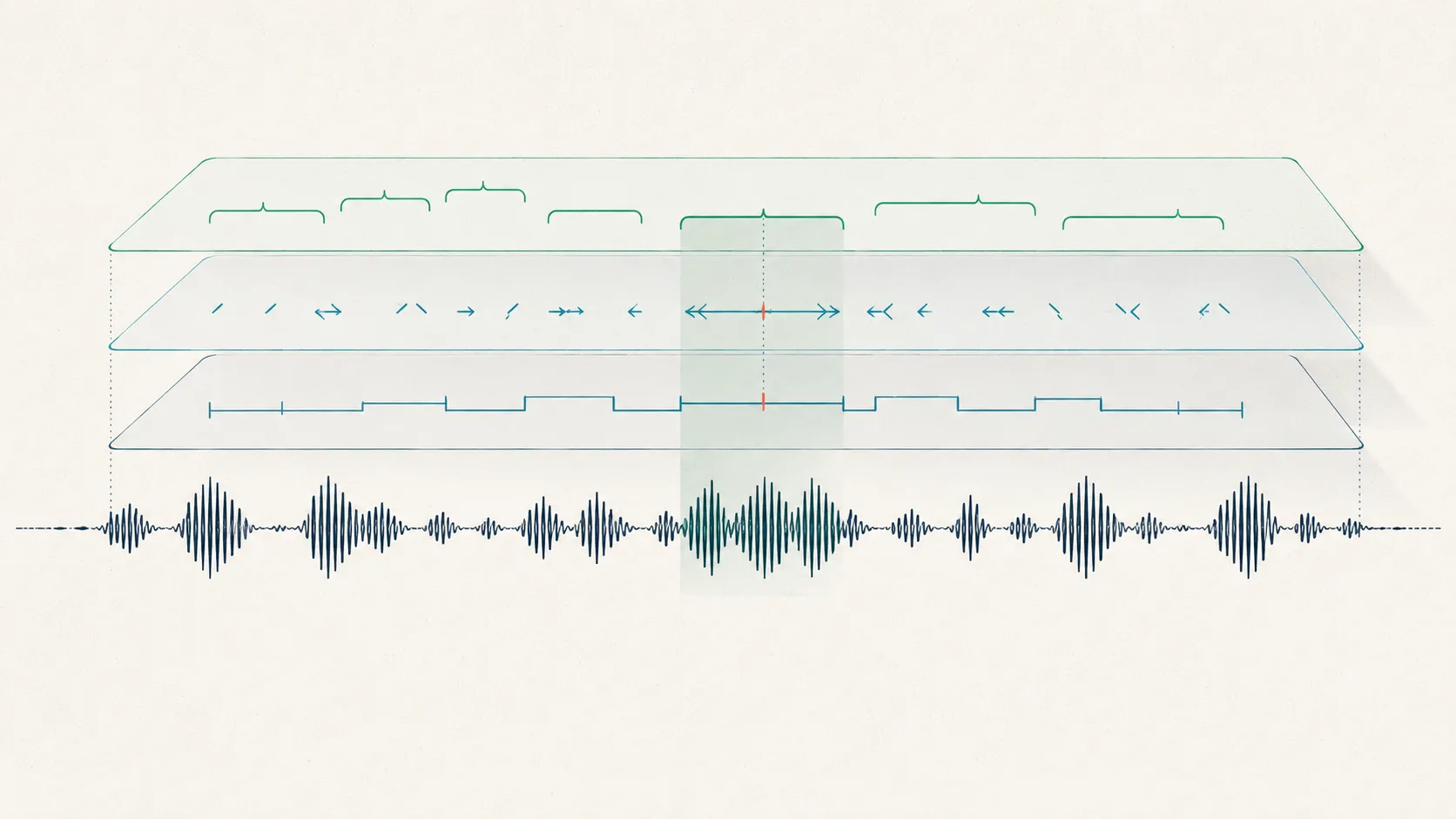
Multi-layer annotation stacks several coding schemes and rating scales on one transcript. Keep layers independent, handle overlaps, score each separately.
 Methods & Frameworks
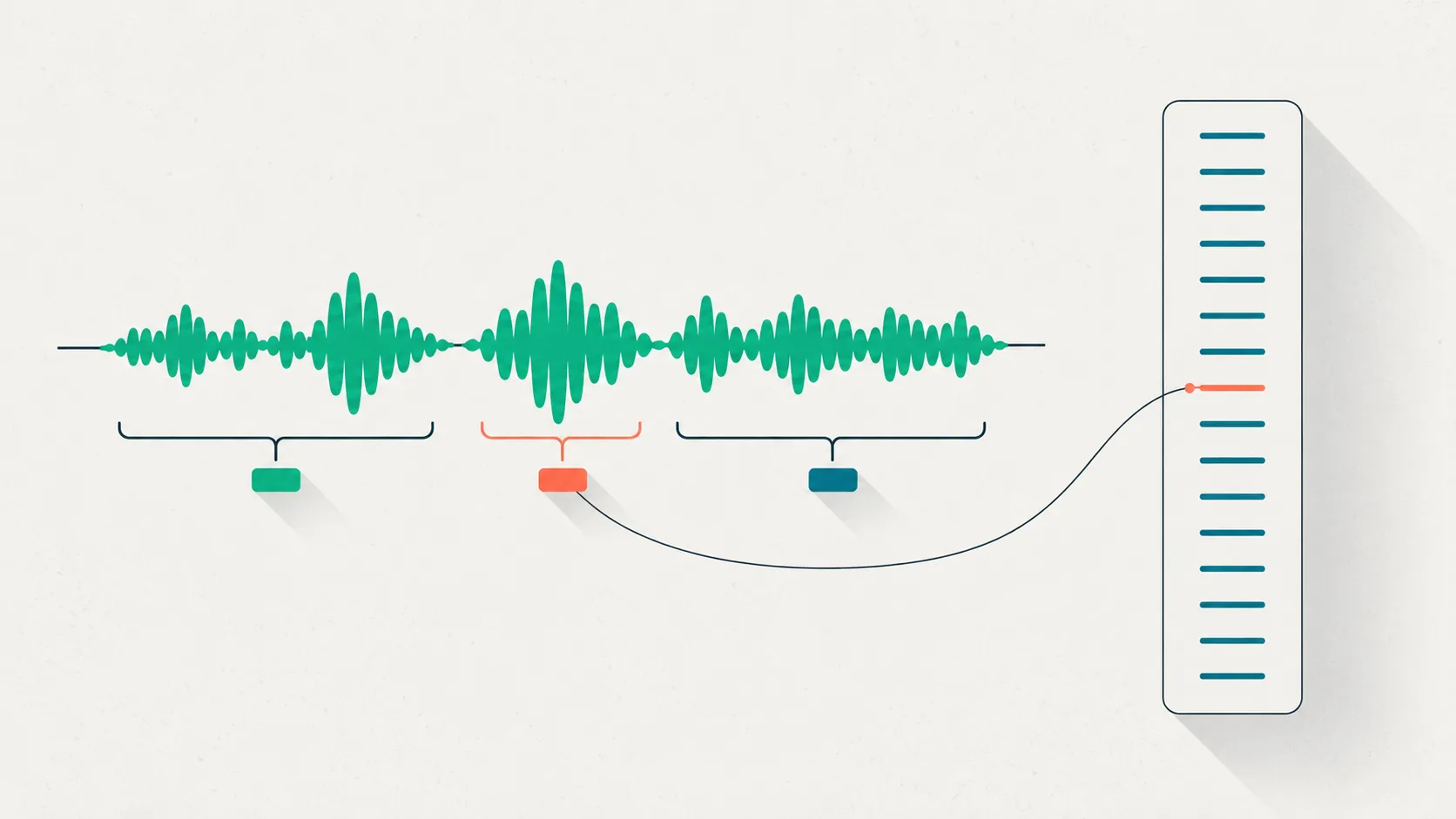
Rating scale vs coding scheme: how dimensional severity and categorical coding change your unit of analysis, reliability statistic, and annotation UI.
 Methods & Frameworks
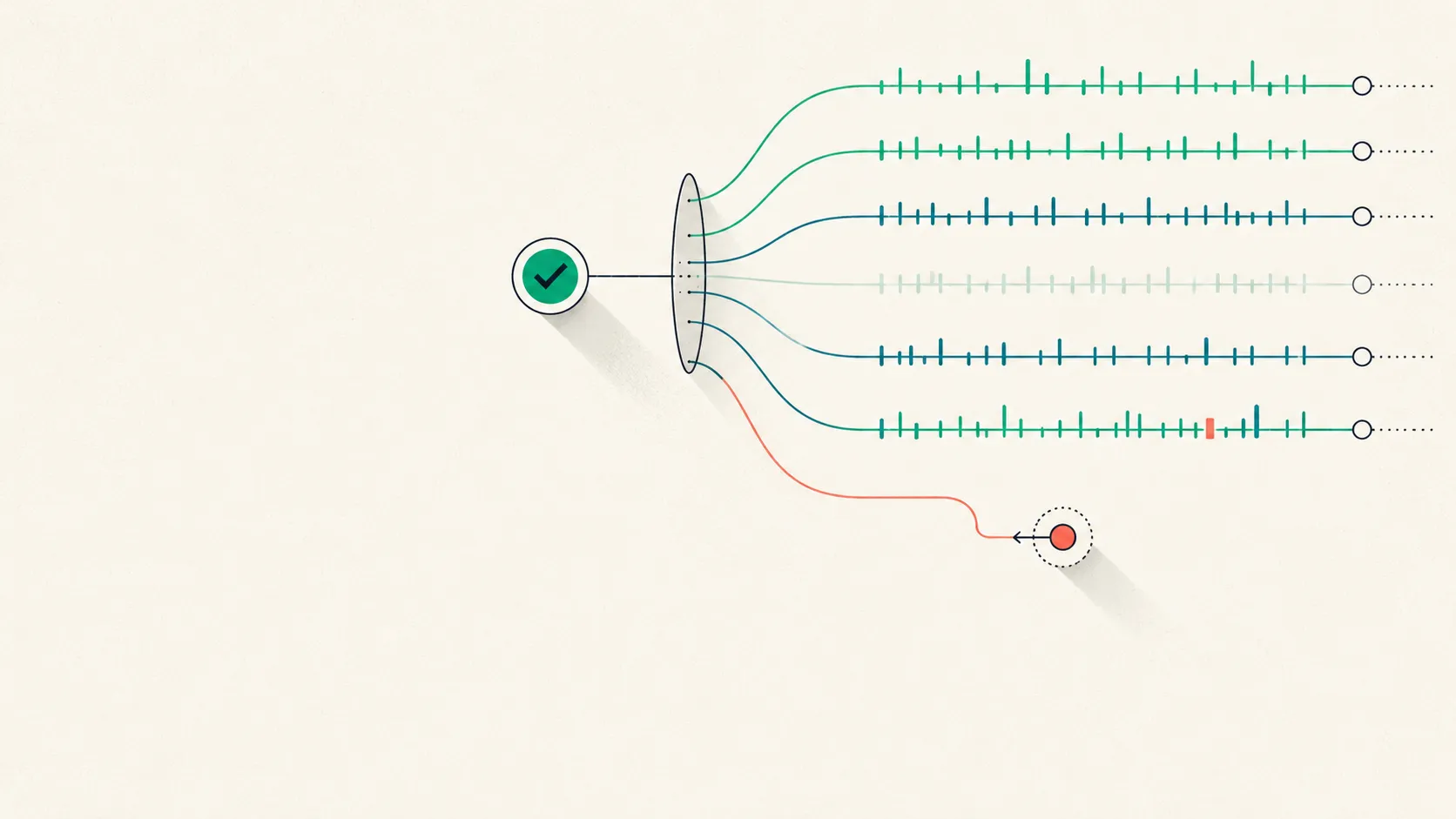
How to turn many annotator labels into one gold label: majority vote, Dawid-Skene, MACE, STAPLE, and expert adjudication, with a table for when each fits.
 Methods & Frameworks
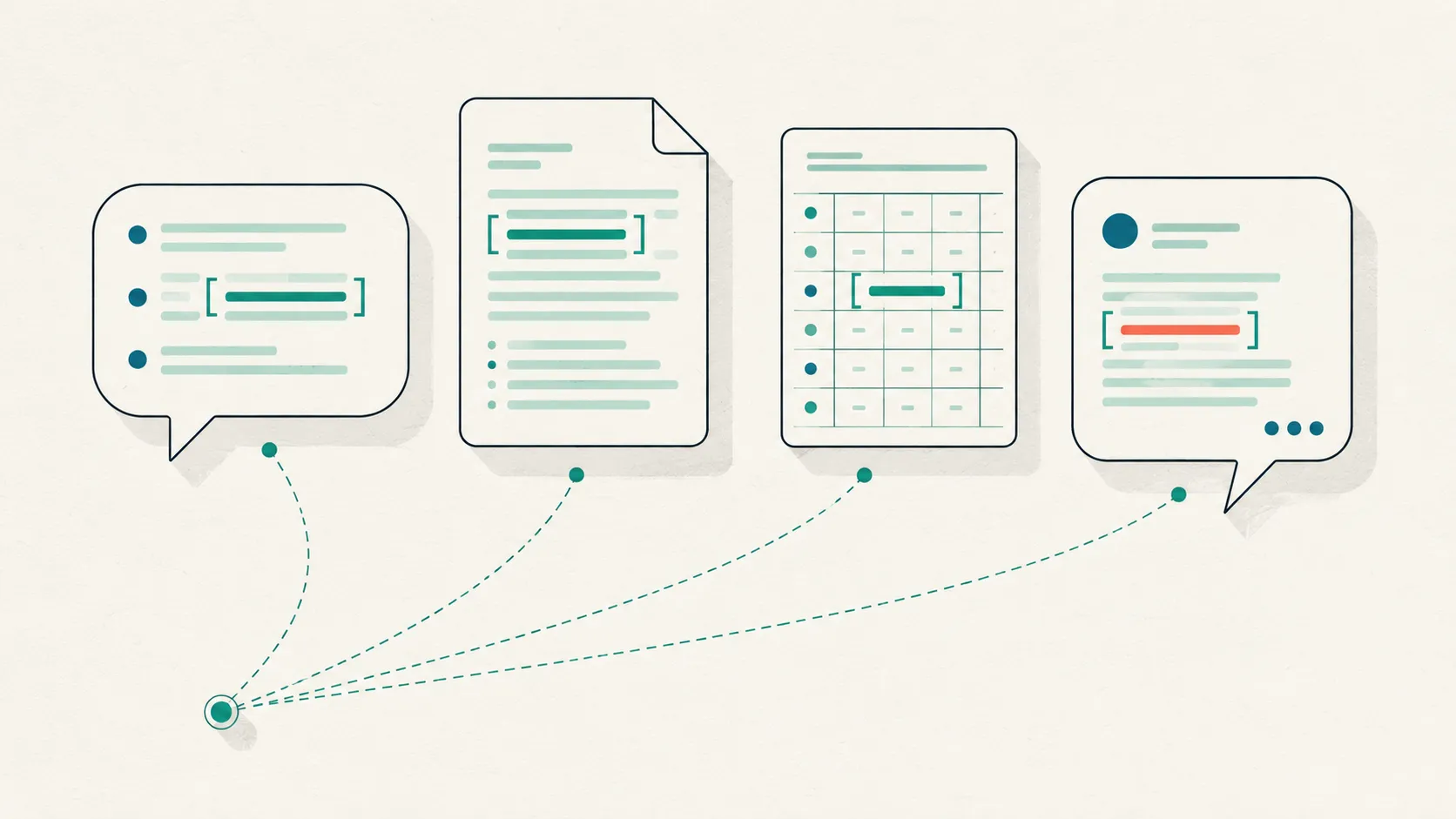
How teams apply text annotation use cases beyond the clinic: support-ticket intent, legal clause tagging, and survey coding, with span evidence and IRR.
 Methods & Frameworks
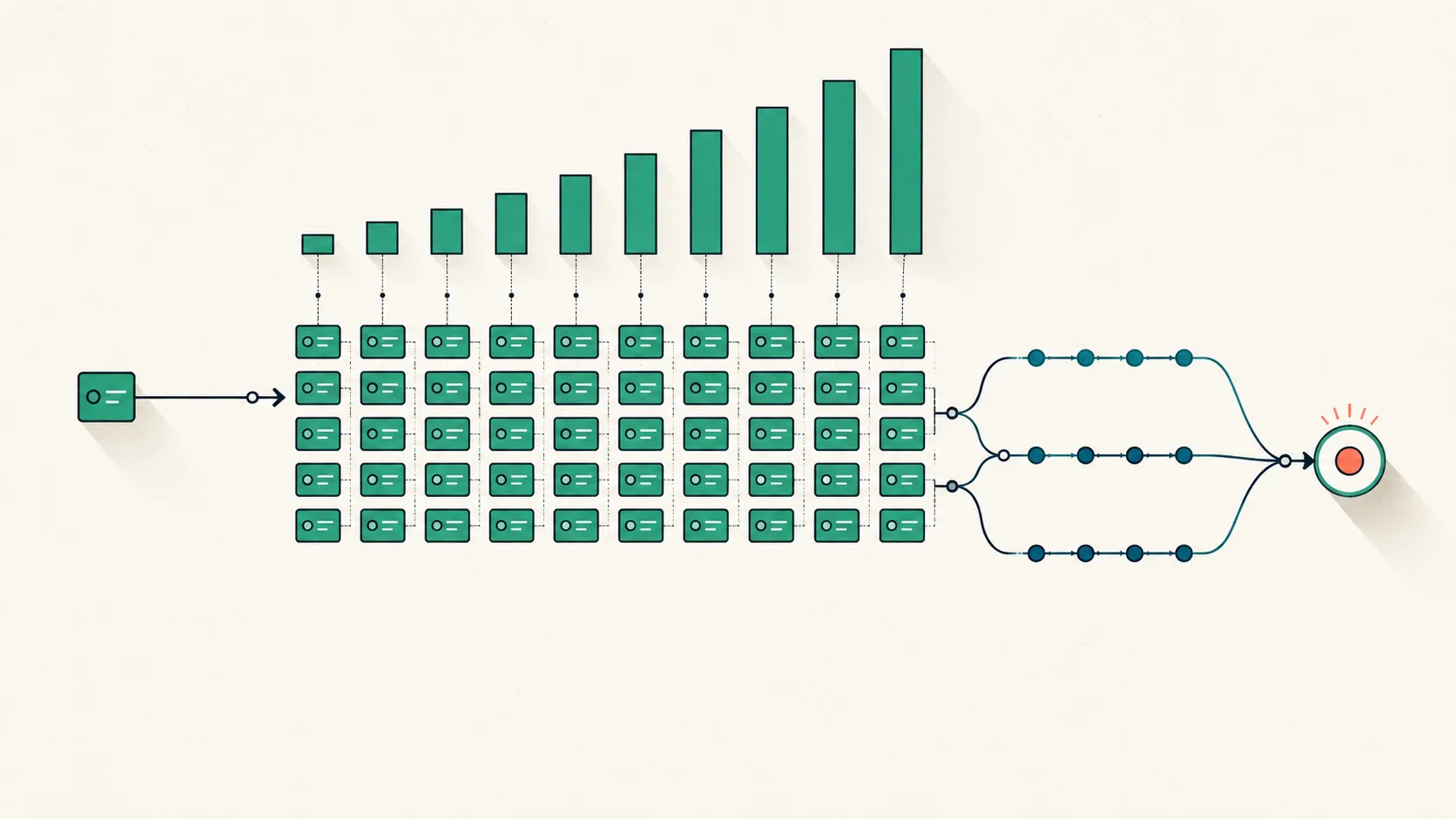
An annotation cost calculator: turn items, labels per item, time, wage, redundancy, and QA overhead into a labeling budget and timeline. See the math.
 Methods & Frameworks
Data annotation consent explained: HIPAA de-identification vs a BAA, GDPR special-category data, who owns the labels, and how to license a dataset.
 Methods & Frameworks
How ground truth for medical AI is built for FDA review: reference standards, expert panels, MRMC reader studies, and the SegAgree agreement idea.
 Methods & Frameworks
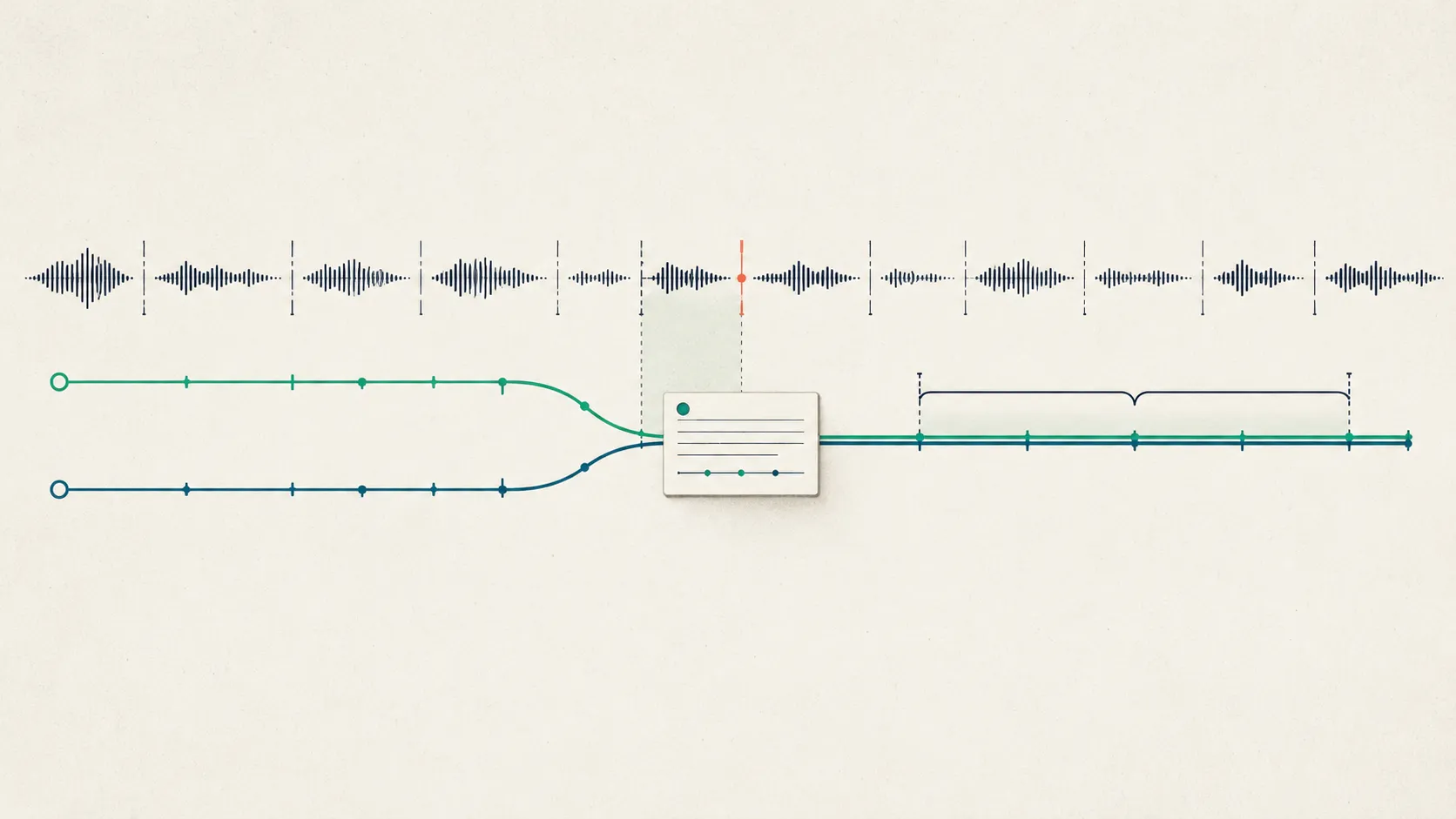
Write annotation guidelines that reduce annotator disagreement: operational definitions, positive and negative examples, and an edge-case decision log.
 Methods & Frameworks
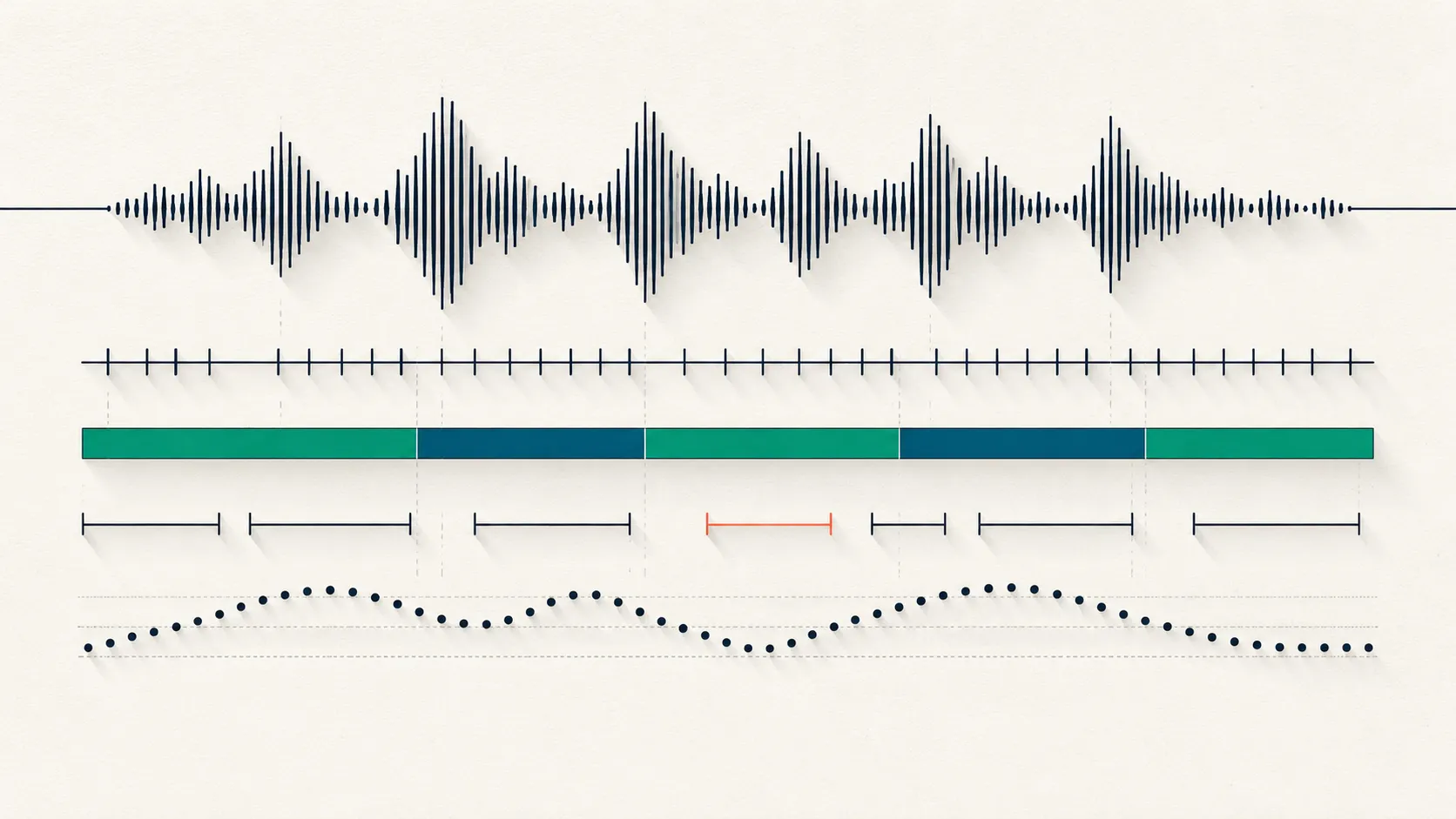
Audio annotation turns raw speech into labeled data: transcription, speaker diarization, timestamped events, and prosody tags. Compare the types.
 Methods & Frameworks
CBCA vs reality monitoring: how two statement-credibility methods compare on criteria, accuracy, and court limits—and why neither one detects lies.
 Methods & Frameworks
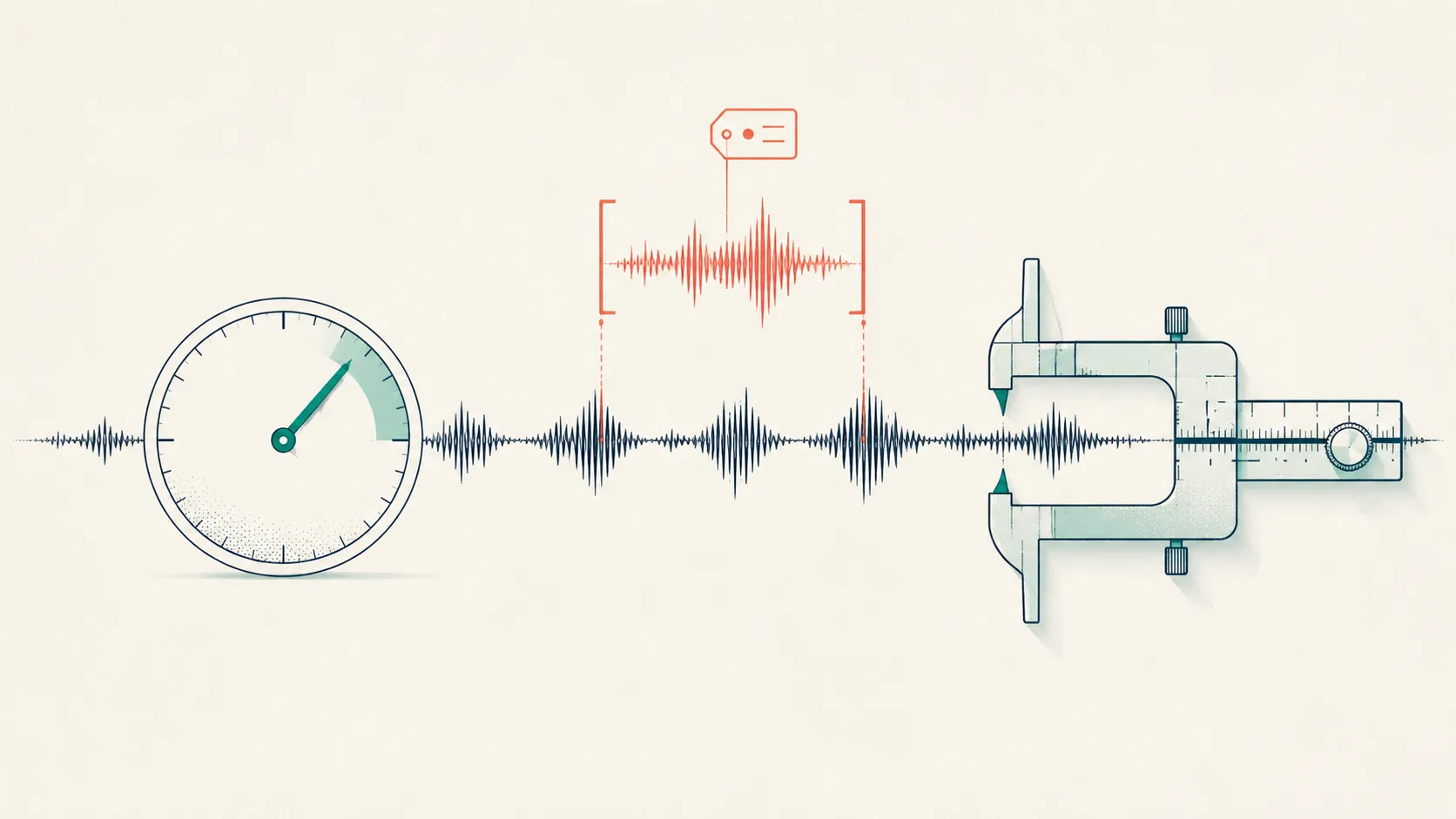
A finding-by-finding chest X-ray annotation example: build a CheXpert-style schema, handle uncertainty labels, and pick image-level vs region labels.
 Methods & Frameworks
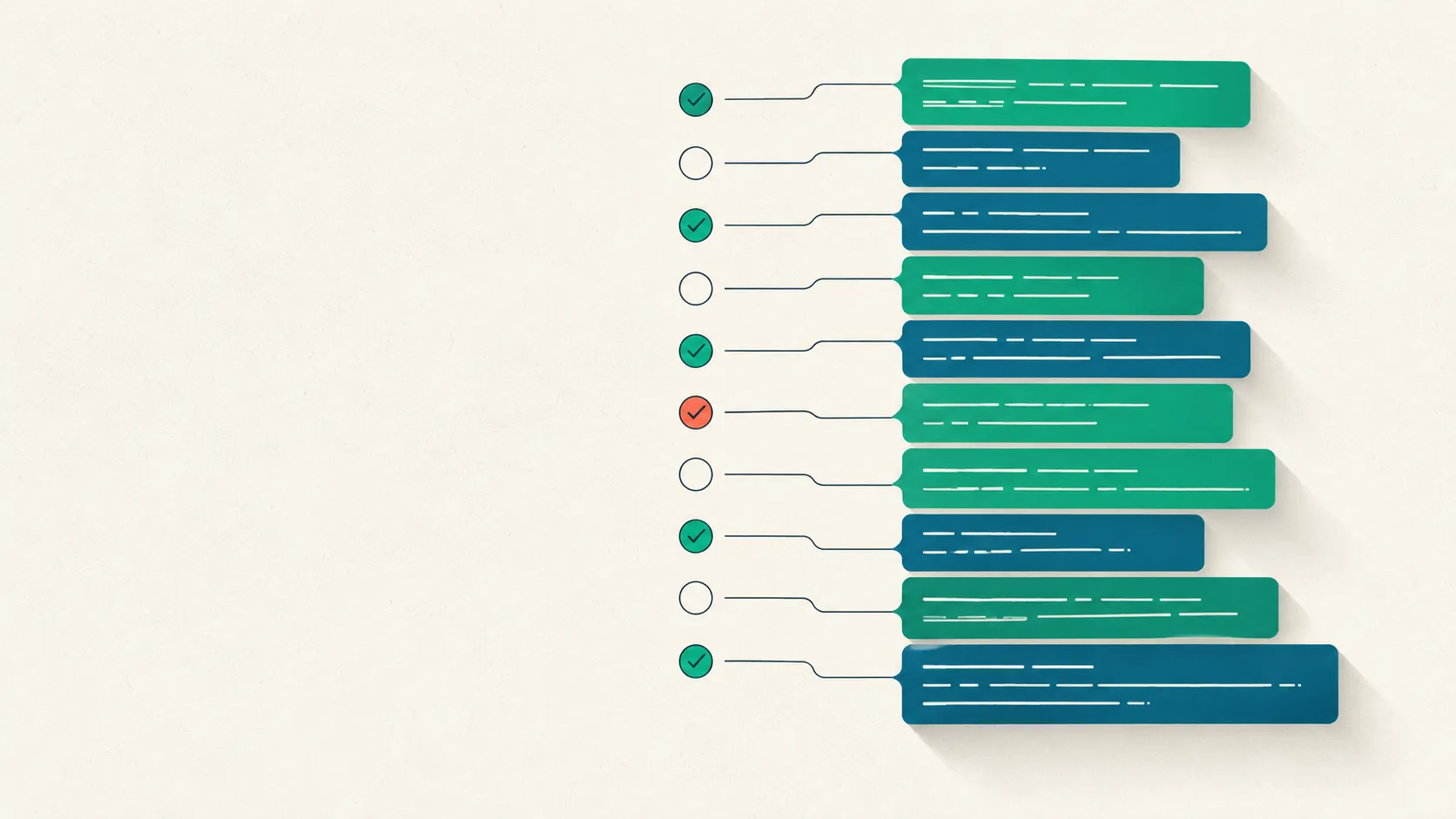
Clinician-rated vs self-report scales compared: who rates, the bias each carries, reliability and cost trade-offs, and transcript coding as a third path.
 Methods & Frameworks
Criteria-based content analysis (CBCA) rates 19 content criteria to judge whether a statement reads as experience-based—an aid, not a lie test. See all 19.
 Methods & Frameworks
Data cascades are compounding downstream failures from upstream data problems. 92% of AI teams hit them—here's why fixing labels beats tuning the model.
 Methods & Frameworks
Dice vs IoU, the Jaccard index, and Hausdorff distance compared: formulas, the Dice-IoU identity, and when overlap metrics mislead. See which to report.
 Methods & Frameworks
A DICOM annotation and data-prep guide: strip header and burned-in pixel PHI, window images for display, and store labels as DICOM-SEG, SR, or JSON.
 Methods & Frameworks
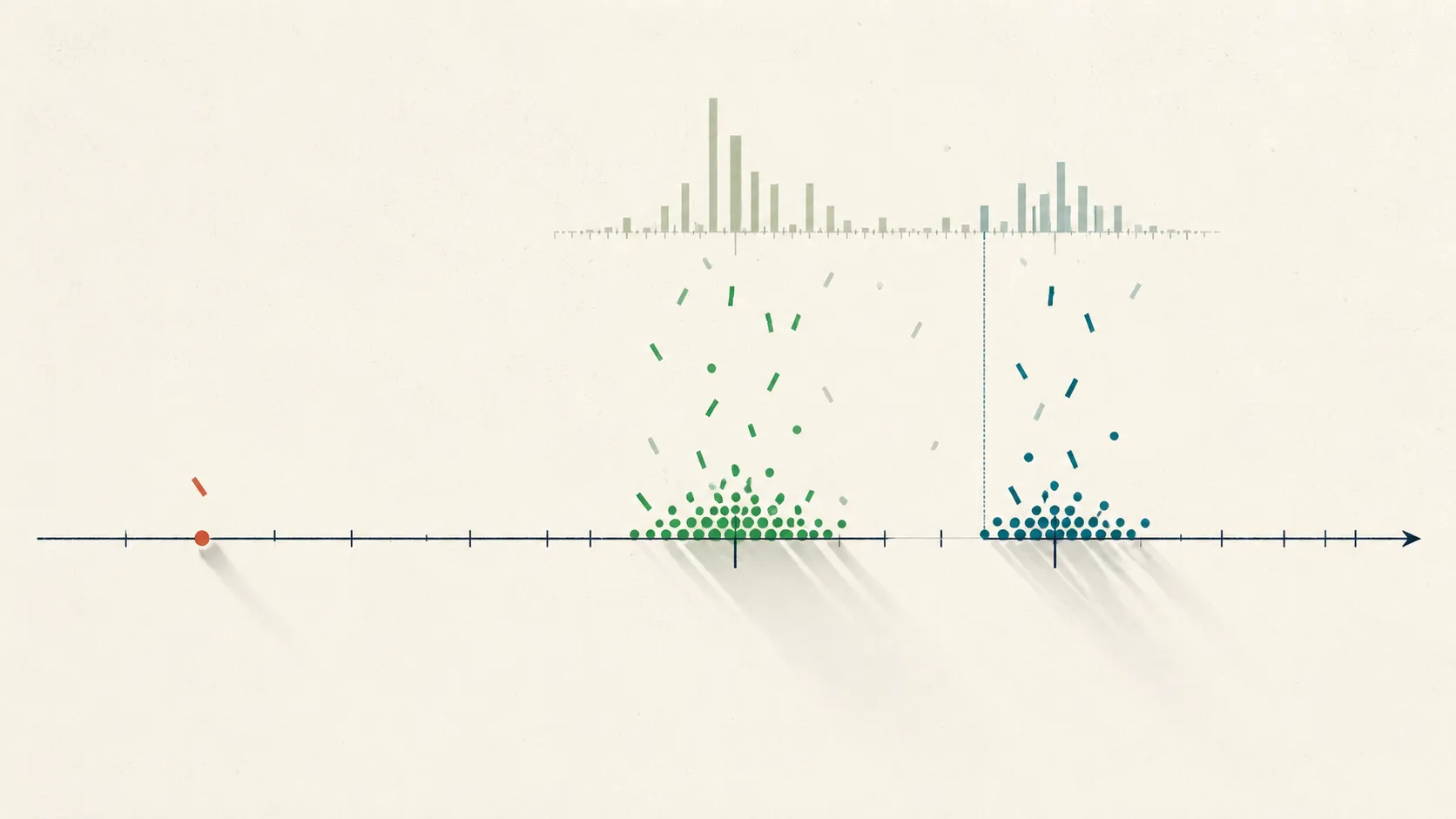
Forcing one gold label can throw away real information. See why annotator disagreement is signal, not noise, and when to reconcile versus preserve it.
 Methods & Frameworks
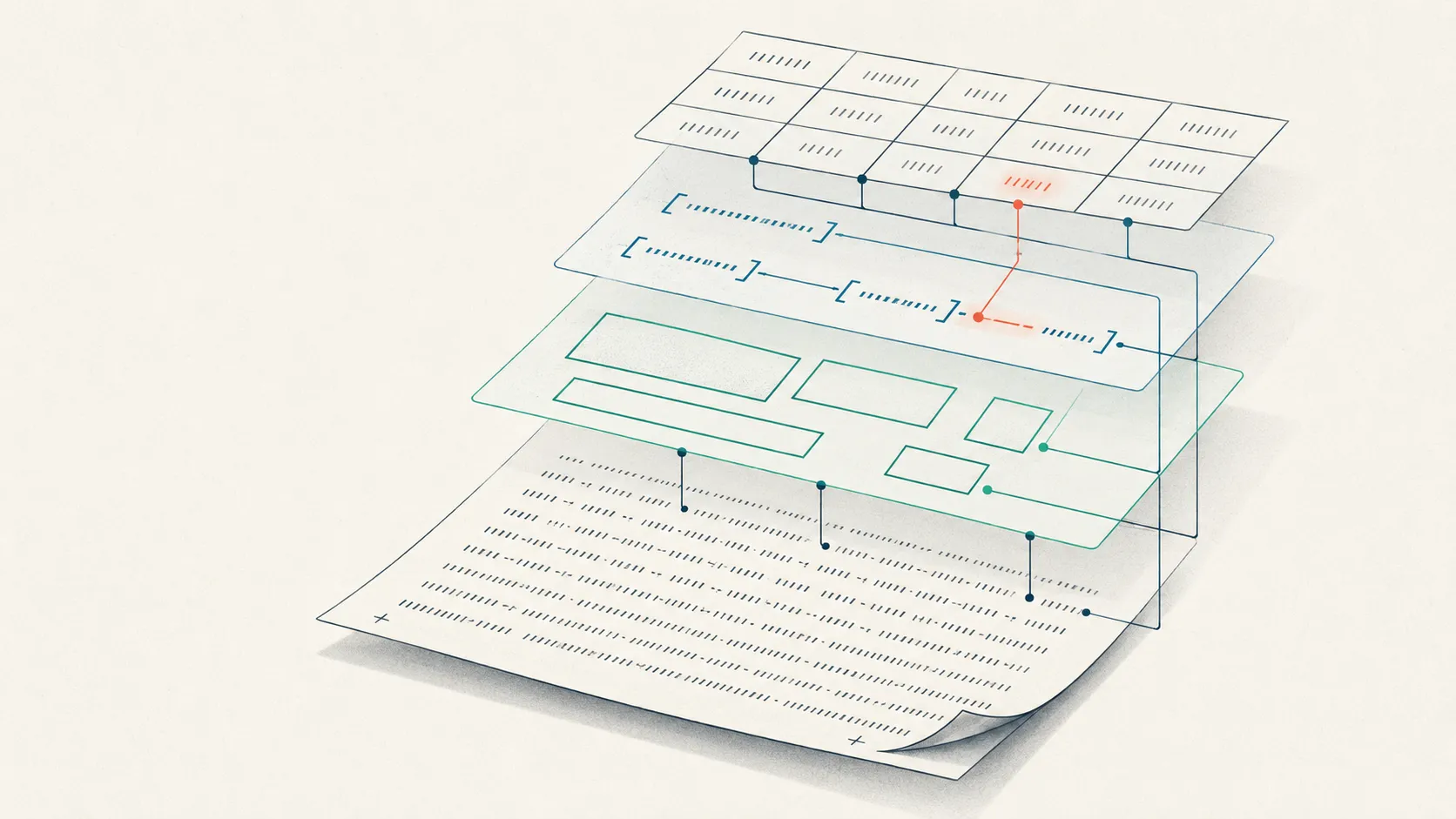
How document annotation works for ML: layout regions, document entities, key-value pairs, and table structure, plus the datasets. See the tasks.
 Methods & Frameworks
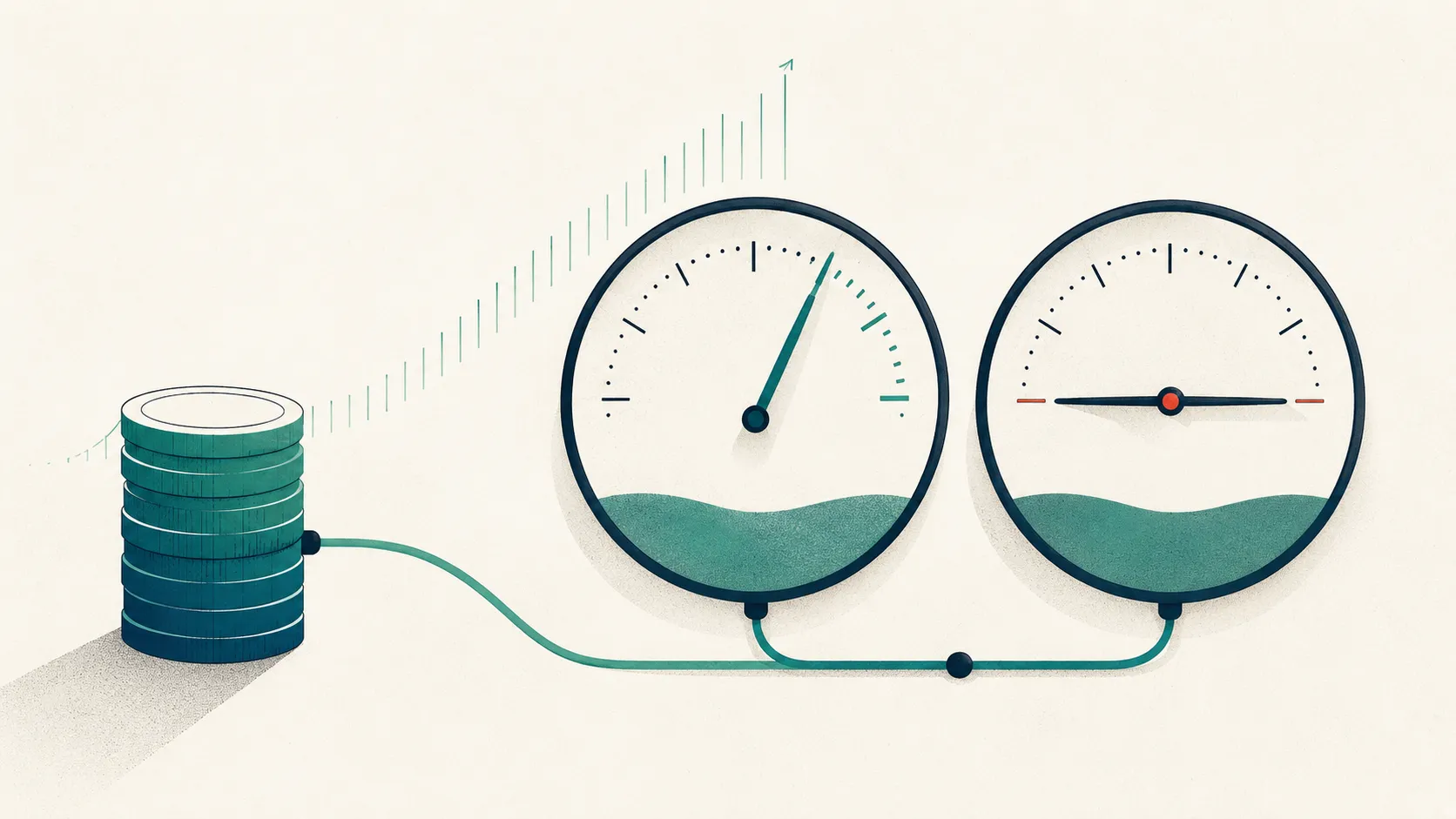
Does pay improve annotation quality? Higher pay lifts speed, participation, and fairness—but rarely accuracy. See what really drives label quality.
 Methods & Frameworks
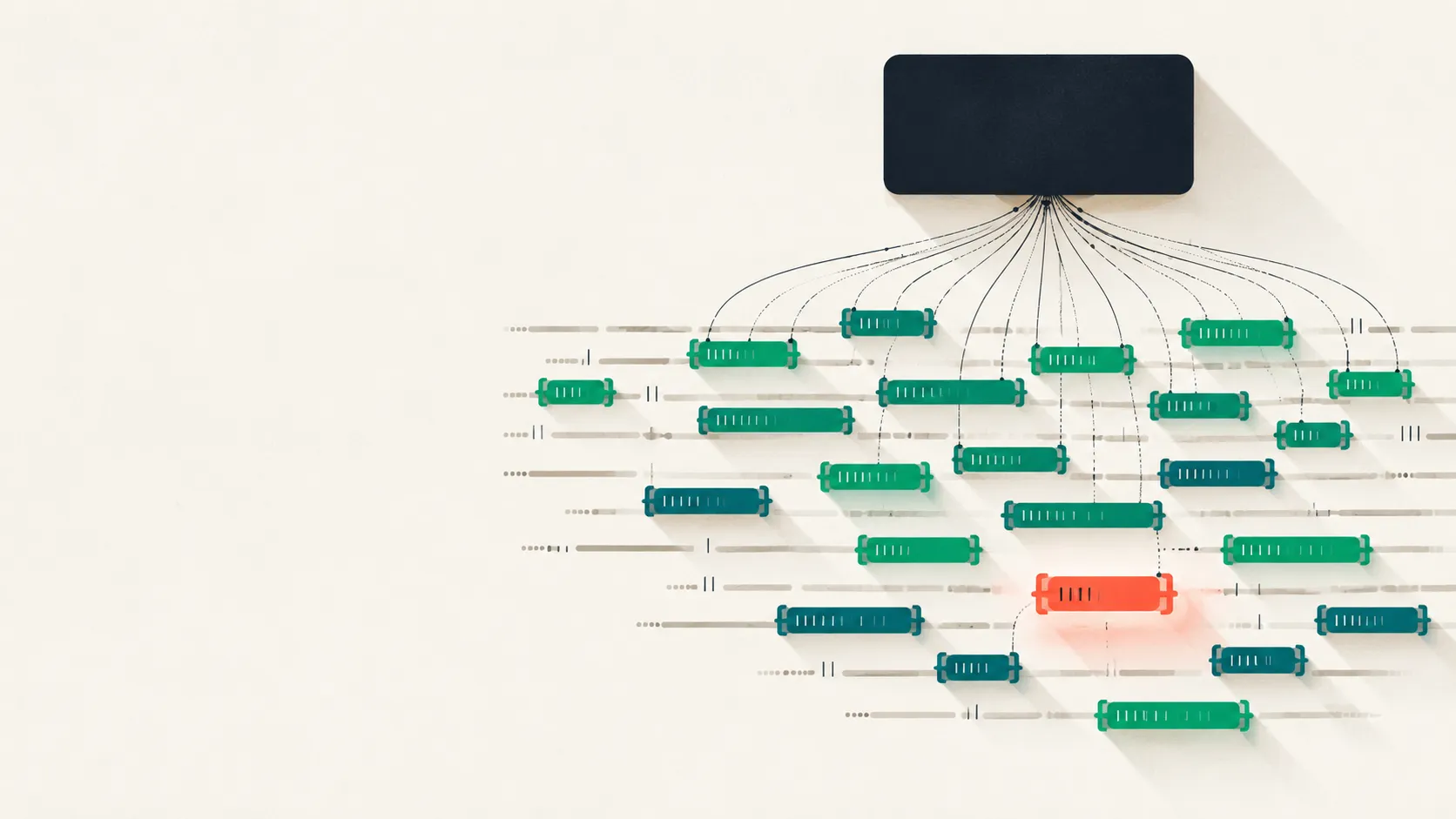
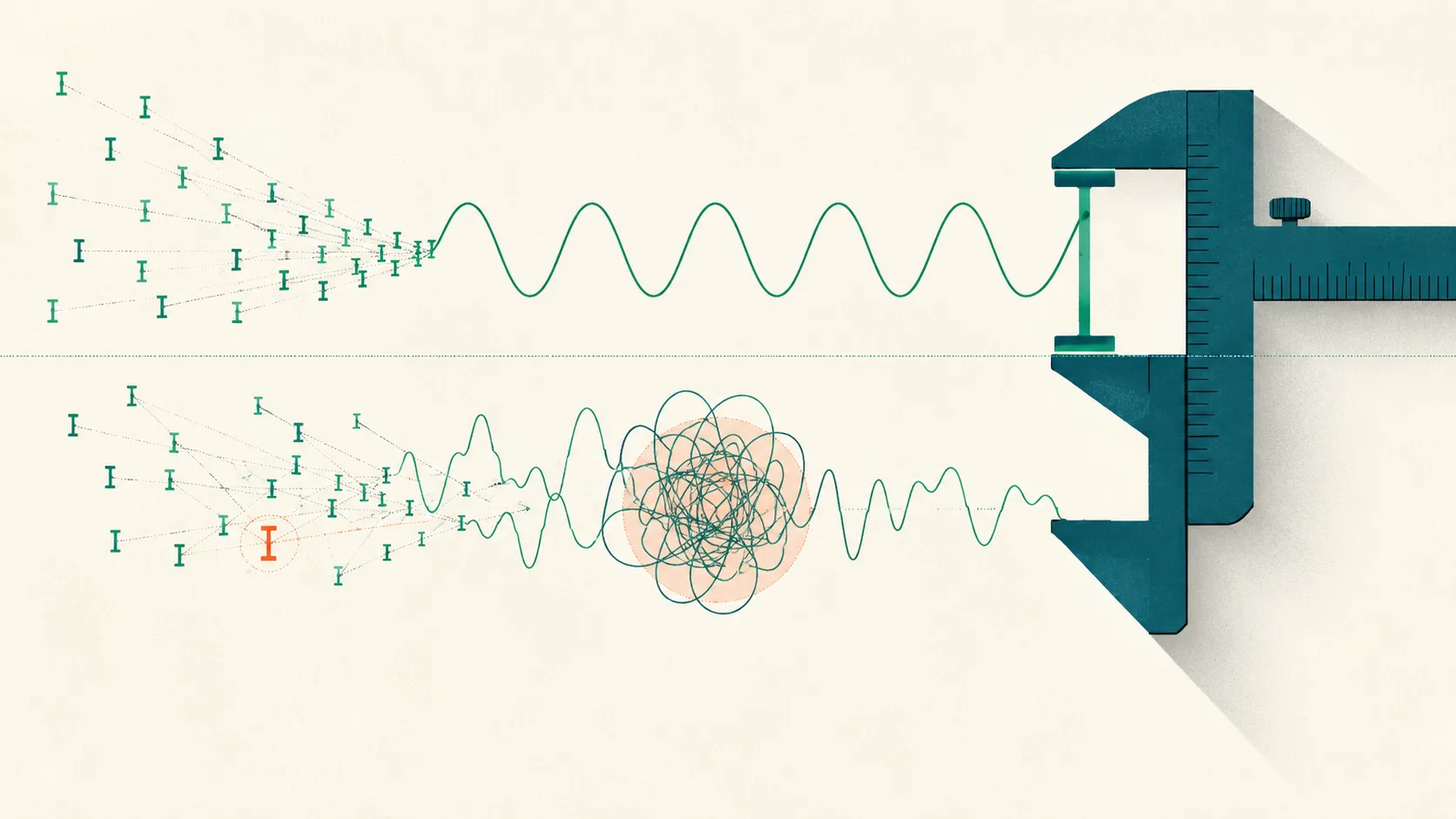
Turn DSM-5 and ICD-11 criteria into observable, taggable phenomena: a worked MDD-to-PHQ-9 mapping and why you annotate symptoms, not a diagnosis.
 Methods & Frameworks
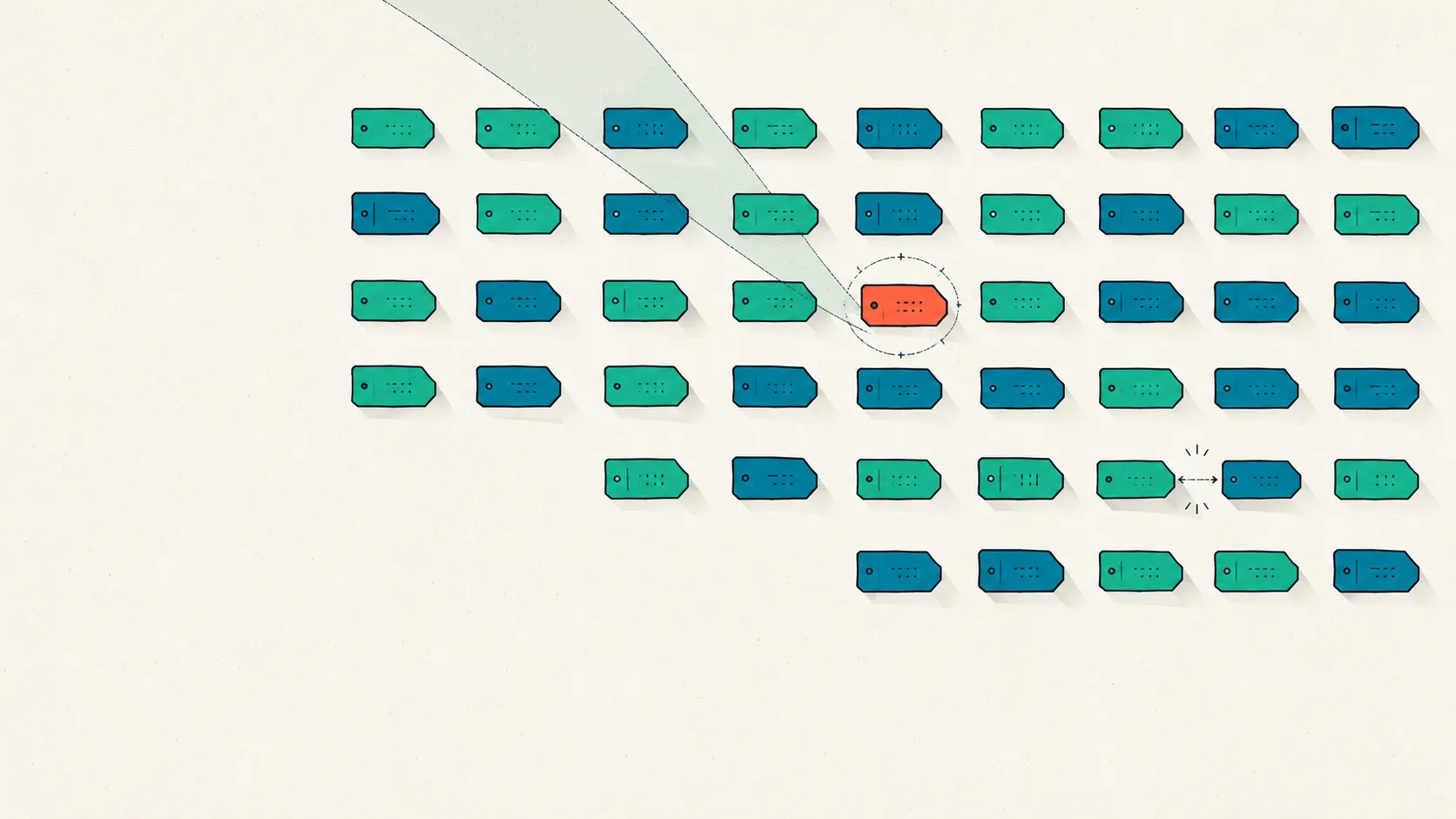
Expert vs crowd annotation: aggregated non-experts match experts on many tasks, but clinical judgment breaks the ratio. Get the decision guide.
 Methods & Frameworks
Label errors hide in almost every dataset. Learn how to find label errors in dataset audits with disagreement, model confidence, and confident learning.
 Methods & Frameworks
Geospatial image annotation covers satellite, aerial, and microscopy imagery—where huge rasters, rare classes, and expert-only labels change the rules.
 Methods & Frameworks
Gold questions, honeypots, and attention checks catch bad annotations—if thresholds spare legitimate disagreement. See how each QA method works.
 Methods & Frameworks
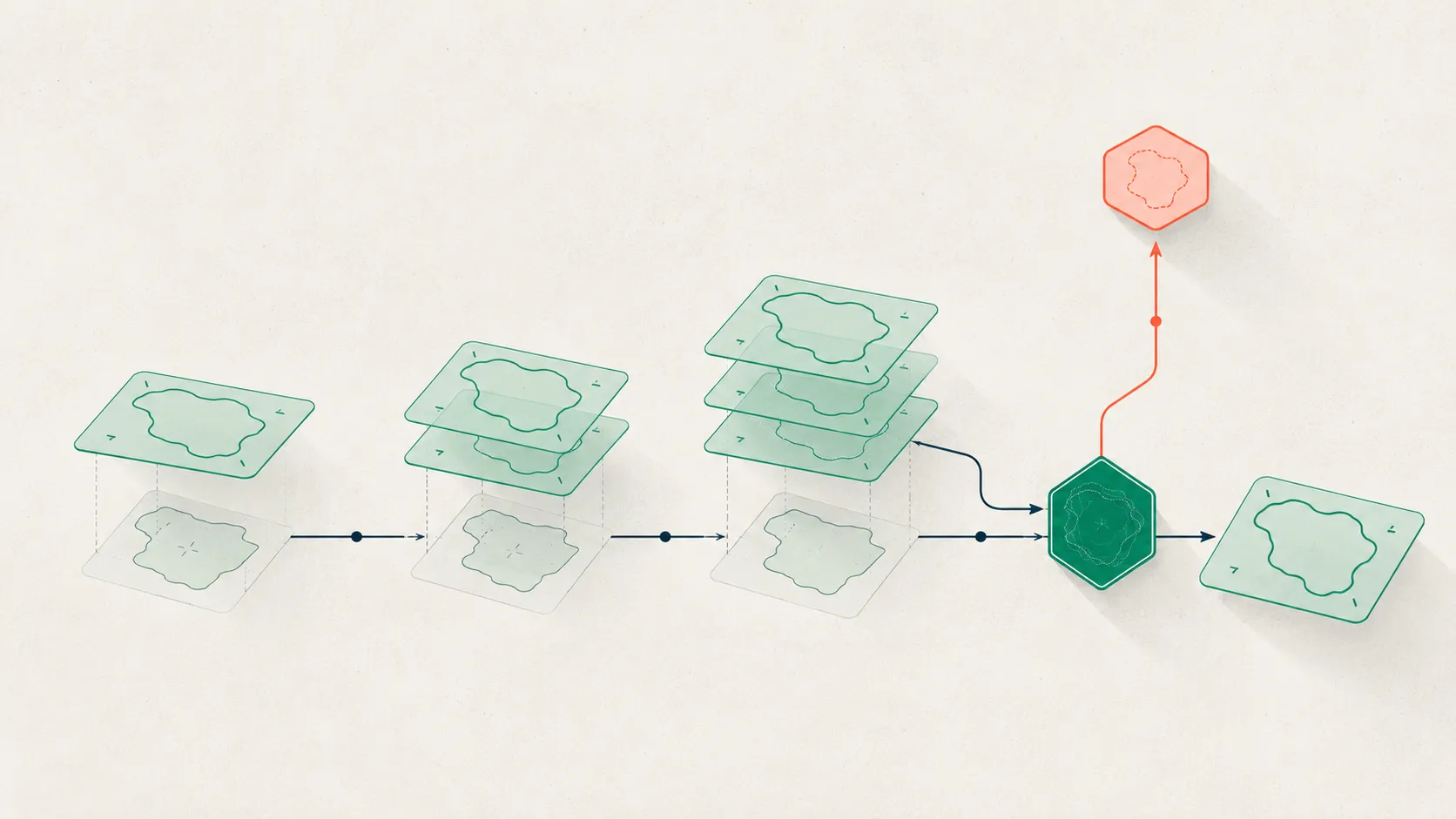
How many annotators medical images need depends on clinical risk, from spot-checking low-risk labels to blind multi-reader reads with adjudication.
 Methods & Frameworks
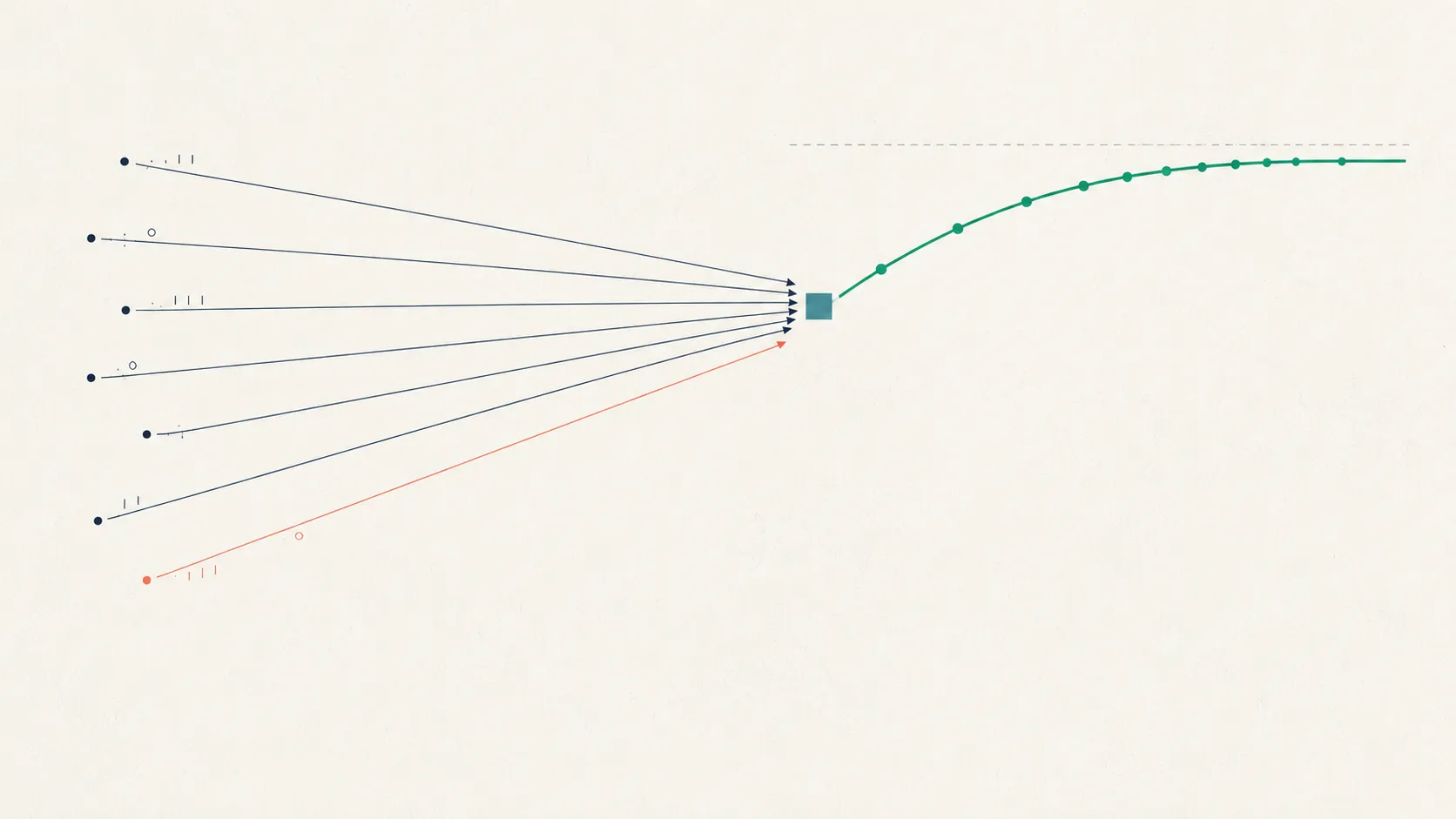
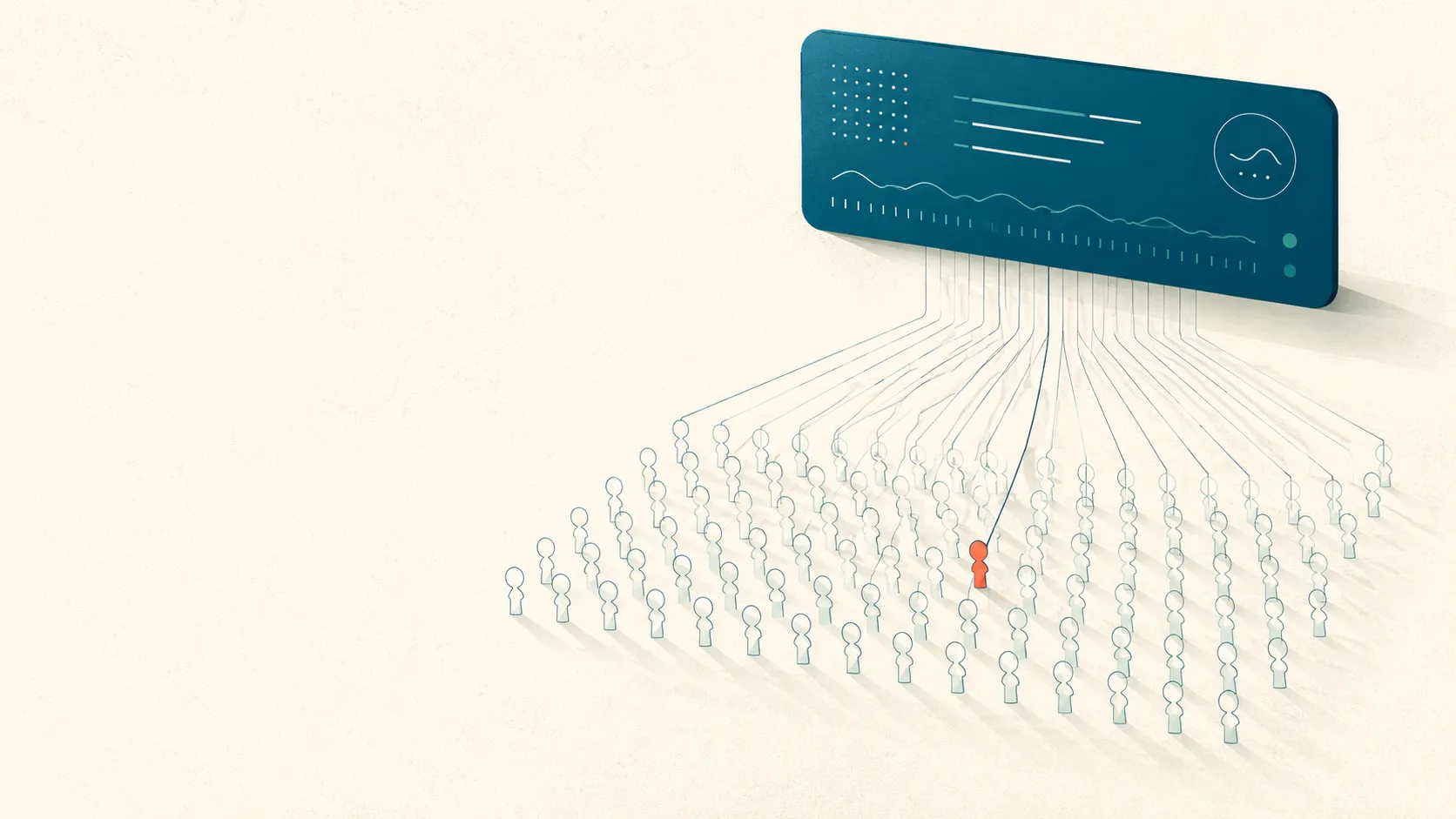
How many annotators per item do you need? One label is risky. Compare majority vote, Dawid-Skene, and MACE, and see where extra labels stop paying off.
 Methods & Frameworks
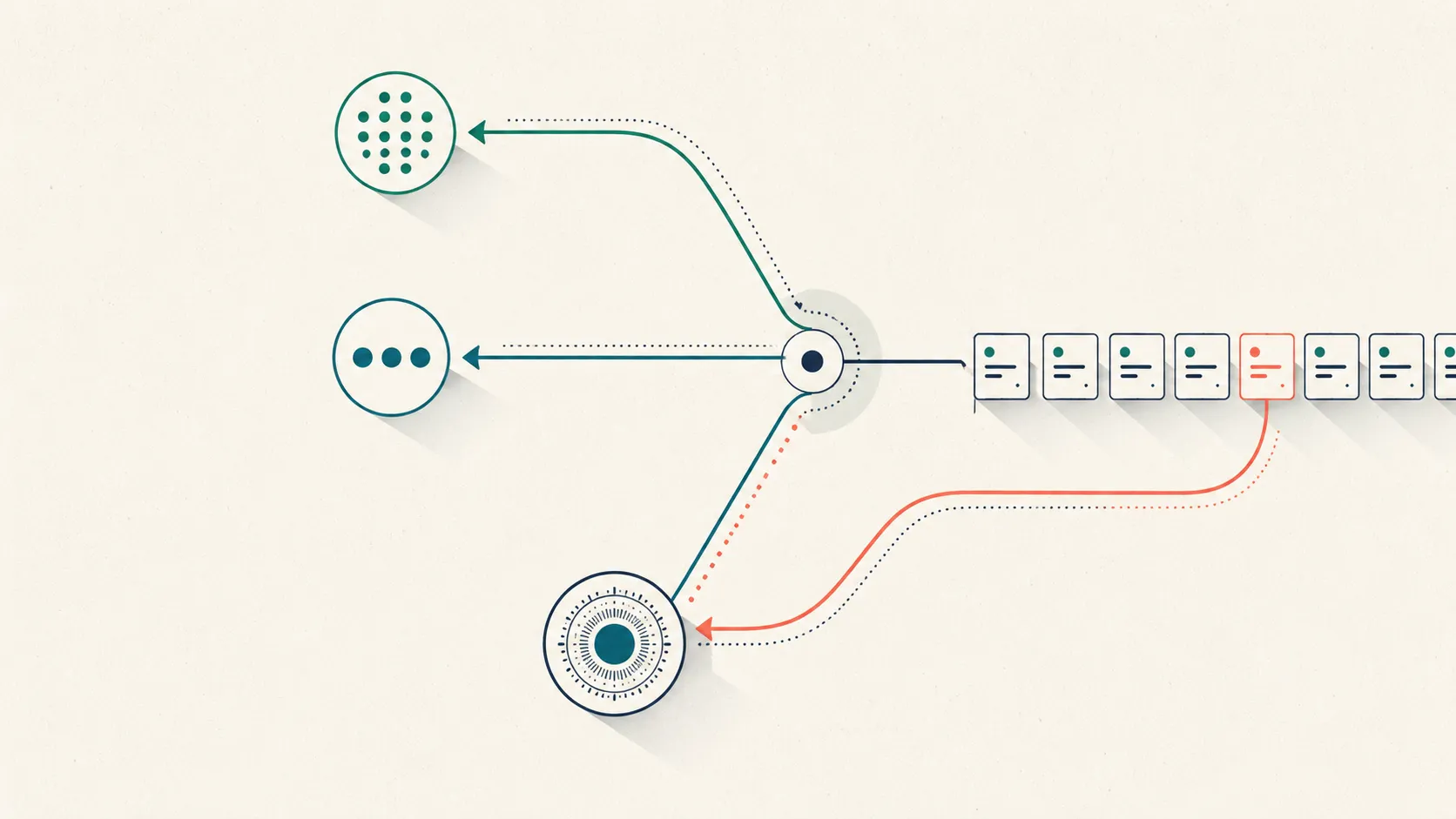
The human cost of data labeling: the underpaid, invisible ghost workers behind AI, the toll of the work, and what responsible sourcing looks like.
 Methods & Frameworks
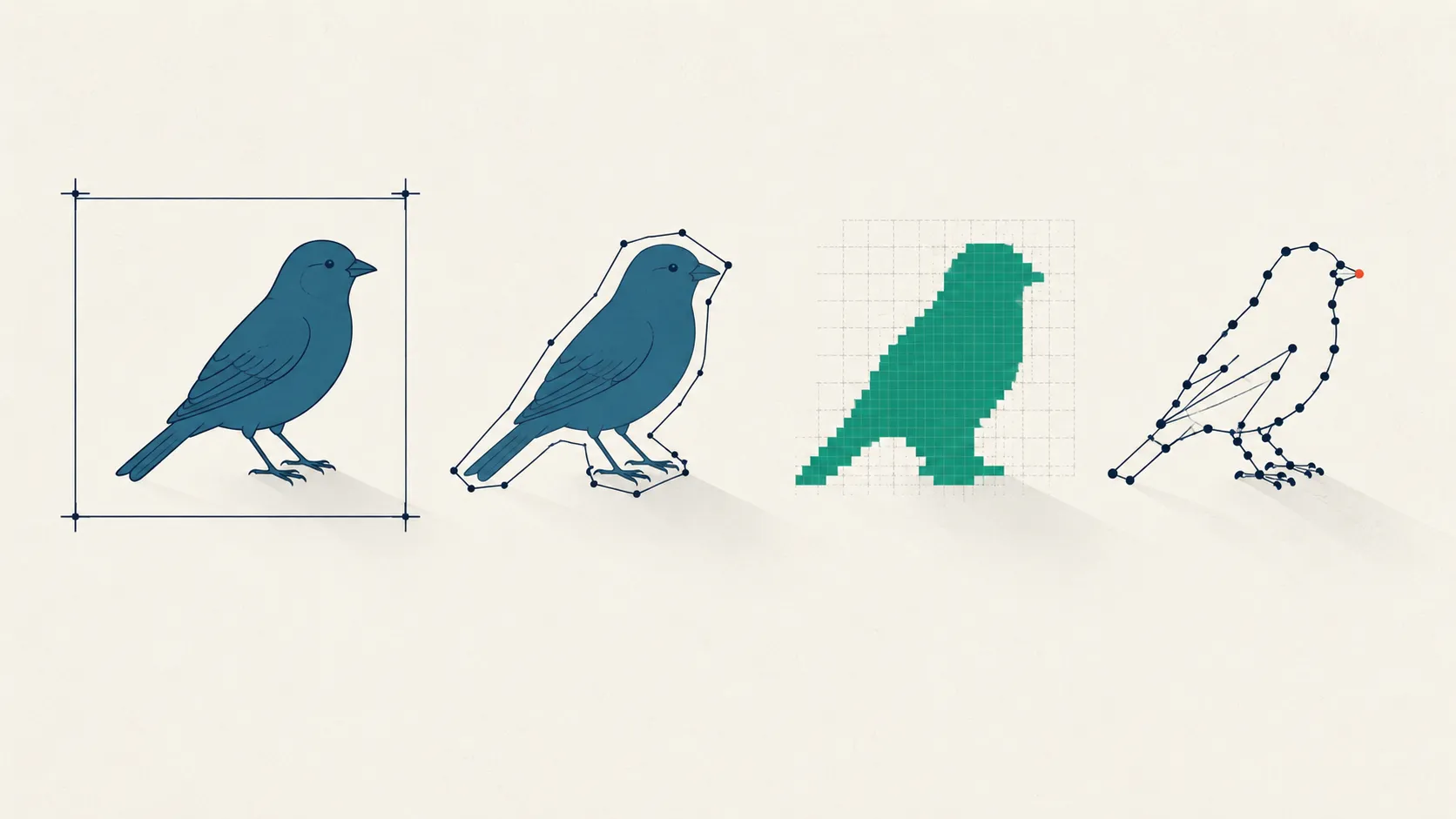
Who should annotate your data? Match annotator background to the task—expert, trained non-expert, or crowd—using a clear selection framework and matrix.
 Methods & Frameworks
Bounding box, polygon, semantic vs instance vs panoptic masks, or keypoints? Compare image annotation types by cost, precision, and downstream task.
 Methods & Frameworks
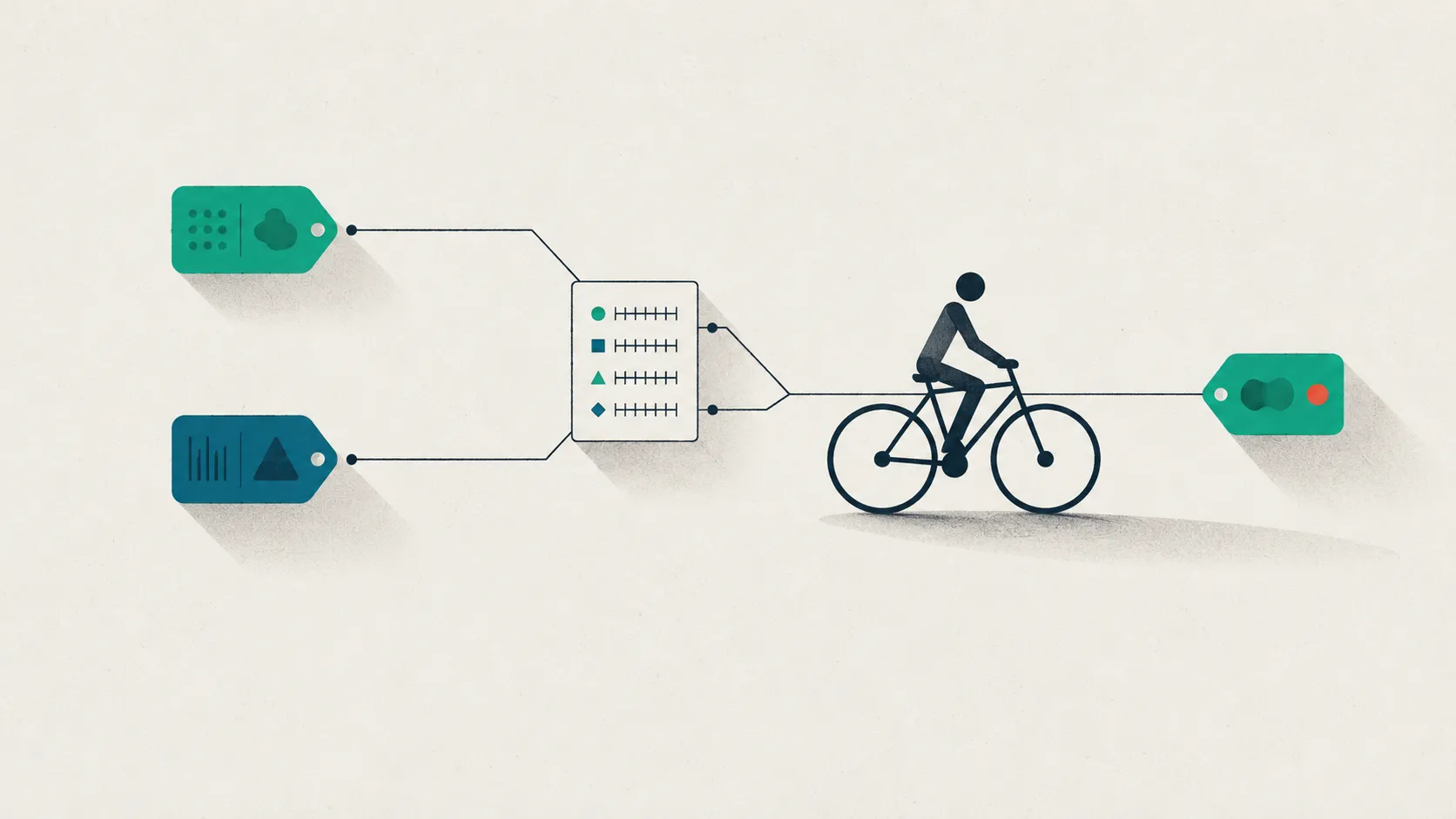
Write image labeling guidelines annotators actually apply: mutually exclusive vs overlapping classes, visual examples, and clear when-in-doubt rules.
 Methods & Frameworks
Why Cohen's kappa fails on pixels, and how Dice, IoU, and the STAPLE algorithm measure image segmentation agreement across annotators. See the math.
 Methods & Frameworks
IRF classroom discourse is the three-move Initiation-Response-Feedback exchange behind most teacher talk. Learn to code it and read the F move.
 Methods & Frameworks
Medical image annotation, end to end: annotation types, who should label, consensus and adjudication, DICOM de-identification, and QA tied to risk.
 Methods & Frameworks
Change talk vs sustain talk, coded: how the MISC classifies client language, why the balance predicts outcomes, and how to segment it reliably.
 Methods & Frameworks
MISC vs MITI, disambiguated: the MITI codes the clinician's MI fidelity; the MISC codes the client's change and sustain talk. Compare purpose and use.
 Methods & Frameworks
How MITI motivational interviewing coding works: behavior counts, four global scores, and the R:Q ratio and %complex reflections that grade MI fidelity.
 Methods & Frameworks
Model-assisted labeling lets a model draft image labels so annotators correct, not create. How pre-labeling and active learning cut work honestly.
 Methods & Frameworks
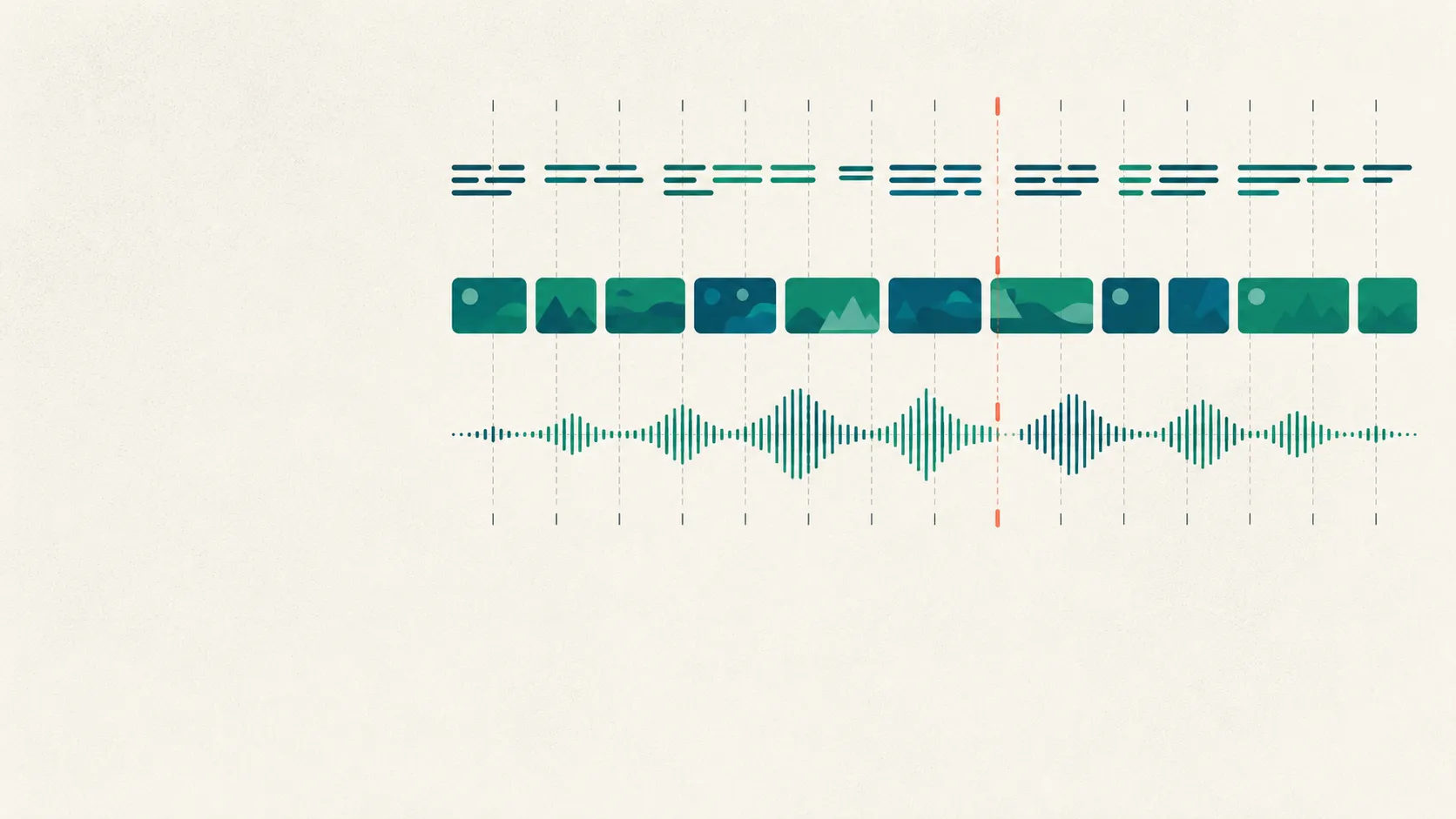
Annotate aligned text, image, and audio in one schema for foundation models: cross-modal alignment, unified taxonomies, and QA that keeps labels in sync.
 Methods & Frameworks
How to build multimodal image-text annotation datasets: pair reports to images, ground report phrases to regions, and link findings across modalities.
 Methods & Frameworks
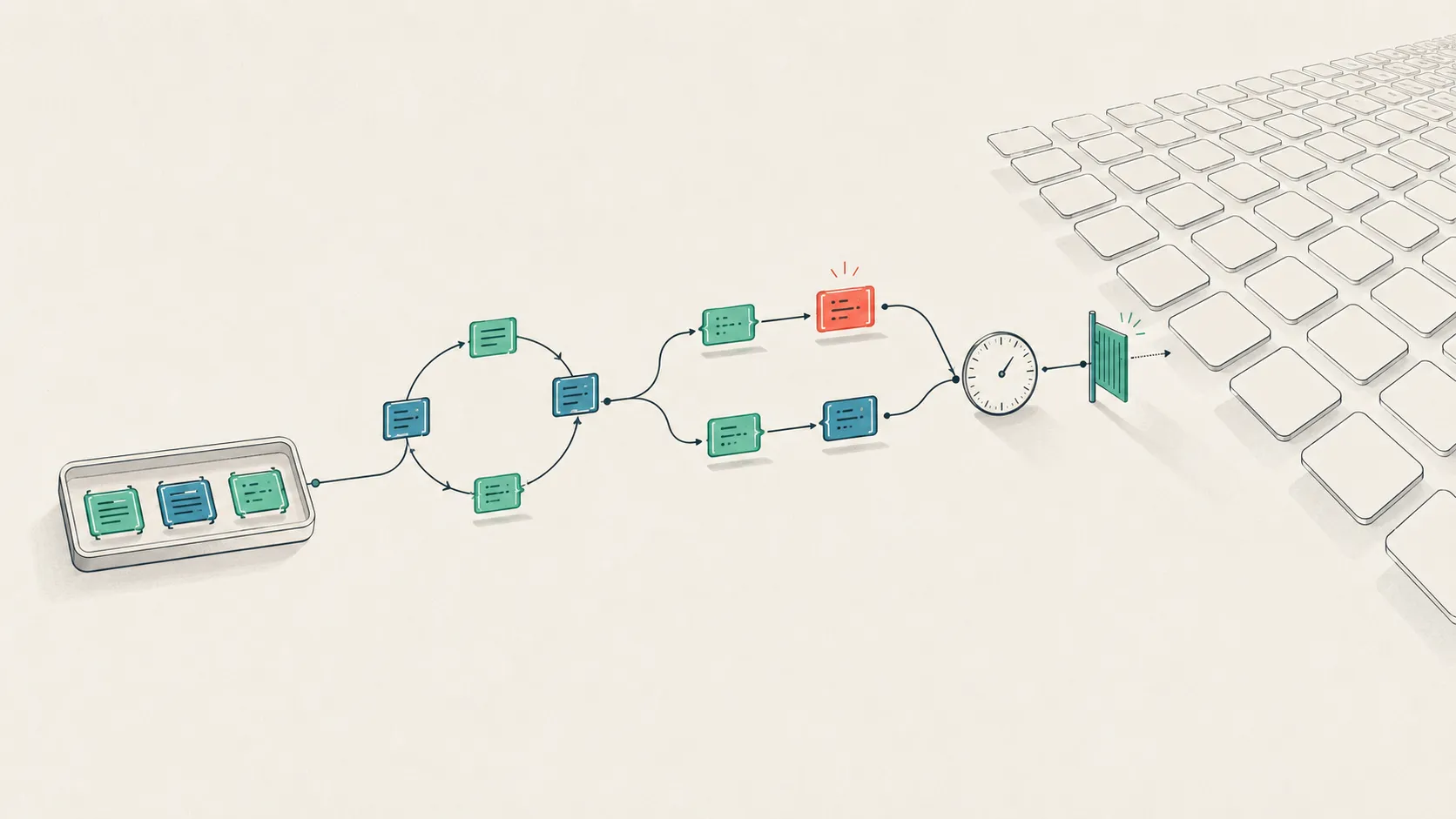
Whole-slide image annotation for computational pathology: the gigapixel challenge, the slide-to-cell label hierarchy, and pathologist-in-the-loop QA.
 Methods & Frameworks
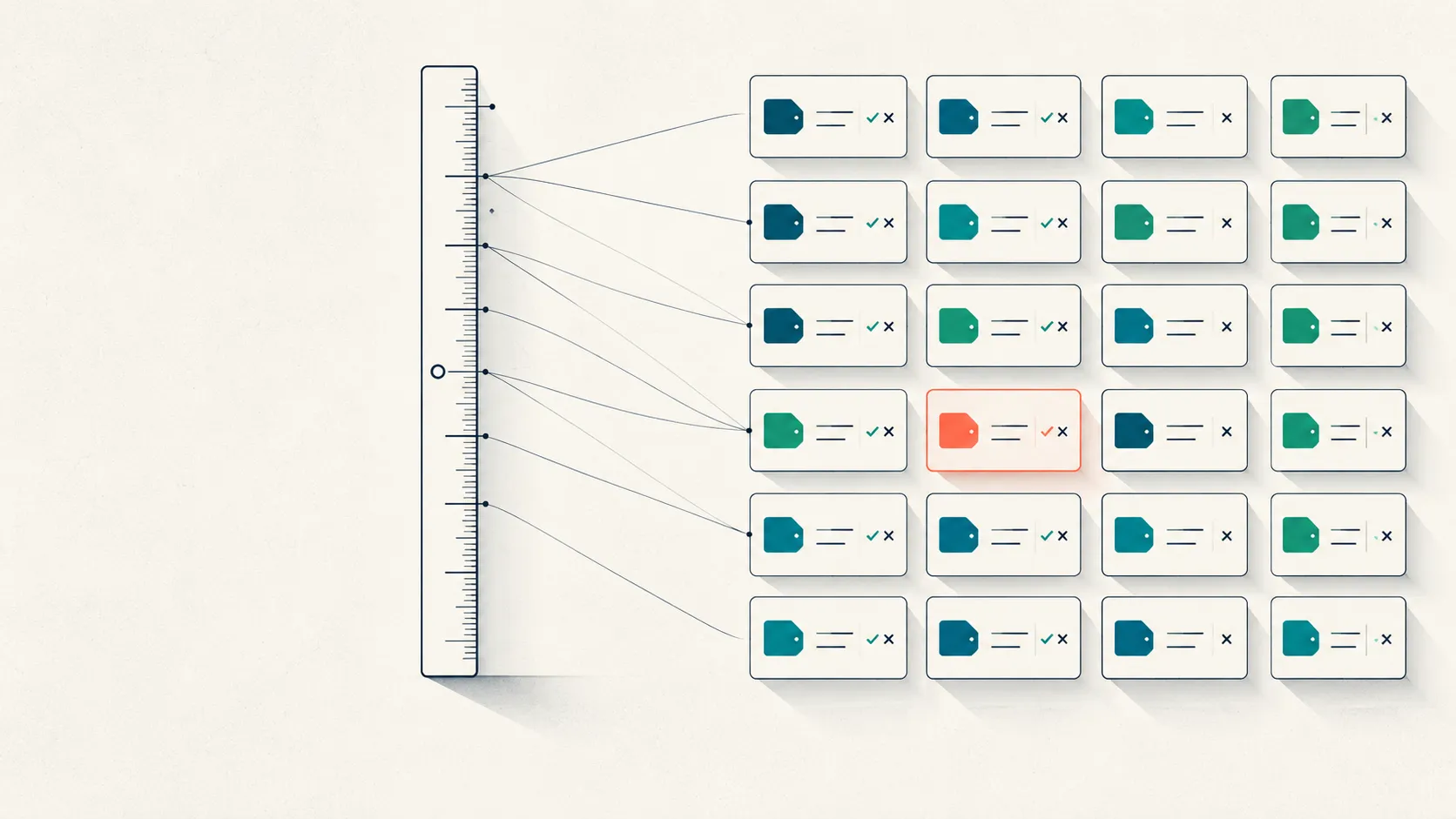
Run a pilot annotation round before you scale: scope, sample size, double-coding, measuring agreement, and revising the codebook. See the checklist.
 Methods & Frameworks
A step-by-step method to go from rating scale to codebook: turn each item into a code, anchors, examples, and decision rules coders apply consistently.
 Methods & Frameworks
To improve annotator quality, screen candidates for aptitude and train them before coding—filtering bad labels later loses. See the evidence.
 Methods & Frameworks
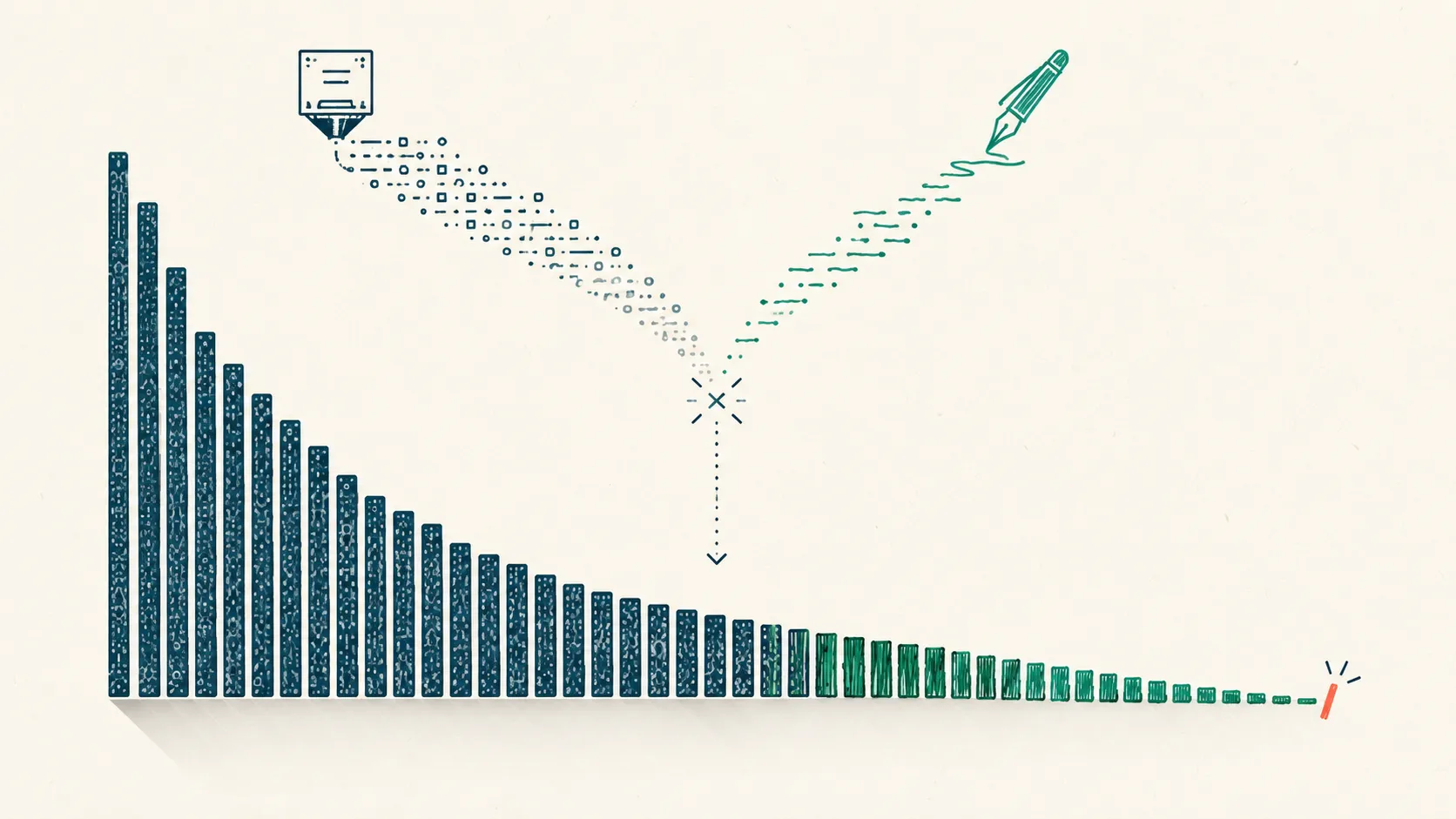
Synthetic data vs human annotation: when LLM-generated labels are cheap and good, where they miss the tail, and how to build a hybrid you can trust.
 Methods & Frameworks
The Empathic Communication Coding System codes empathy in clinical talk as a two-step sequence: patient opportunities, then a 0–6 provider response ladder.
 Methods & Frameworks
Labov and Waletzky narrative analysis breaks an oral story into six parts. See each part, why evaluation is the heart, and how reliably it can be coded.
 Methods & Frameworks
The NICHD protocol classifies a forensic interviewer's prompts from open to suggestive. See the five types, why open prompts win, and how to code them.
 Methods & Frameworks
The OPTION scale rates how far a clinician involves the patient in a decision. See the behaviors it scores, why real scores are low, and how to code it.
 Methods & Frameworks
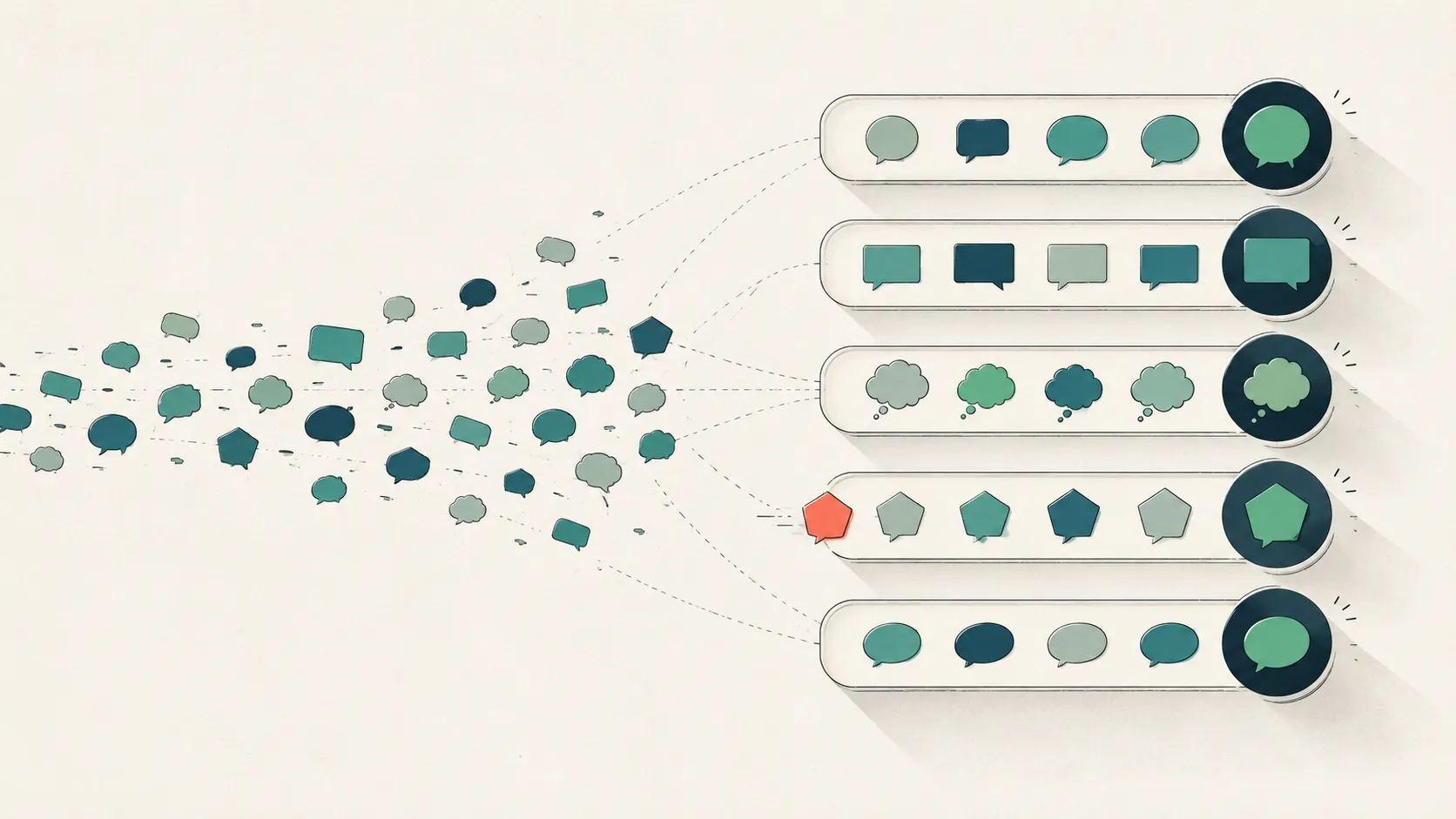
Searle's speech acts sort every utterance into five illocutionary types. See the classes, direction of fit, examples, and the tie to dialogue-act tagging.
 Methods & Frameworks
The Toulmin model of argumentation breaks an argument into six functional parts. See the elements, a worked example, and why warrants are hardest to code.
 Methods & Frameworks
How Gottschalk-Gleser content analysis scores affect in speech, clause by clause—the seven depression subscales, the weighted coding, and its NLP legacy.
Inter-rater reliability done honestly — kappa, alpha, ICC, and the study design behind them.
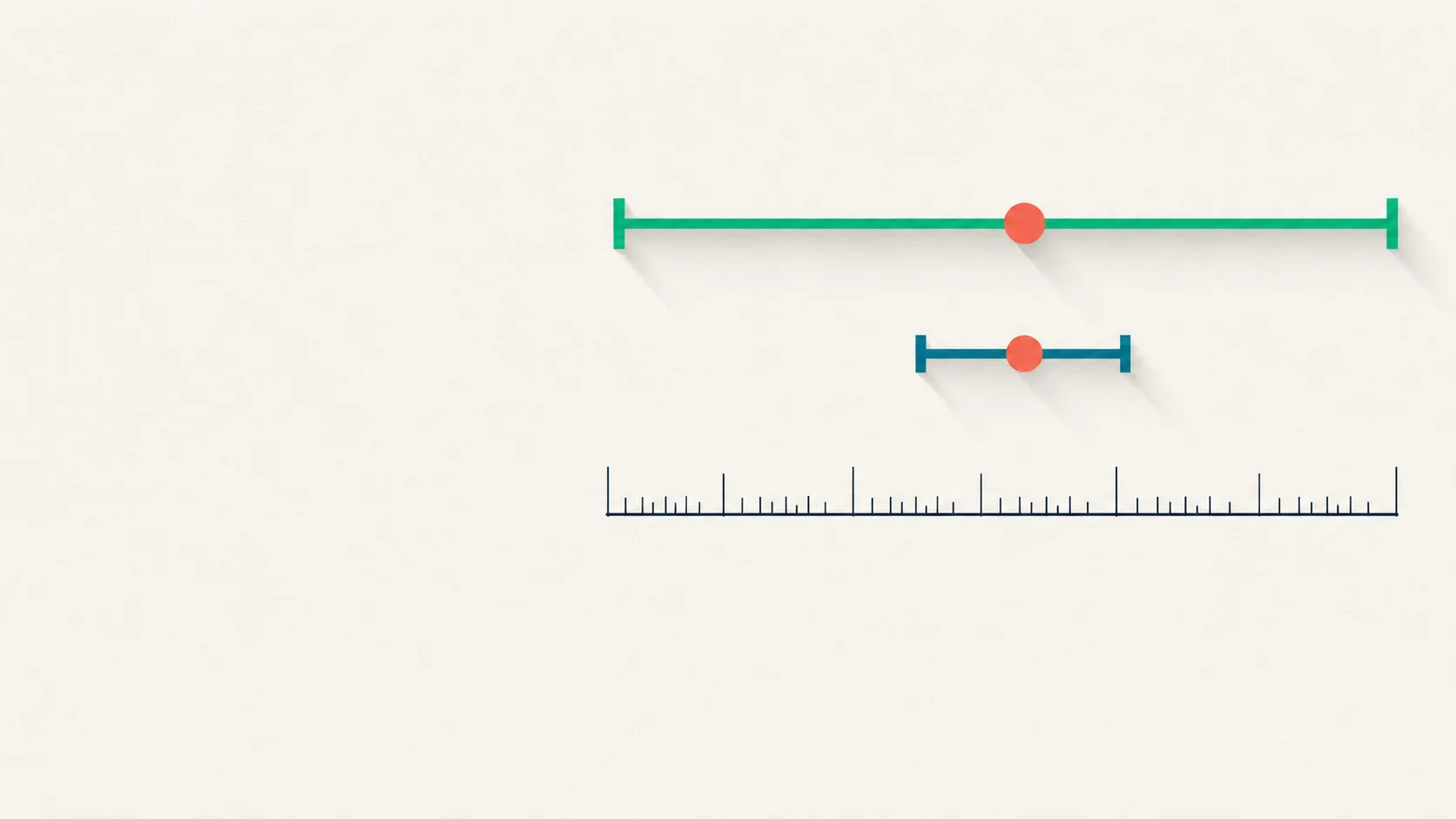 Reliability & Agreement
Why a bare agreement number misleads, and how to build a confidence interval for kappa, alpha, and the ICC. See analytic vs bootstrap methods.
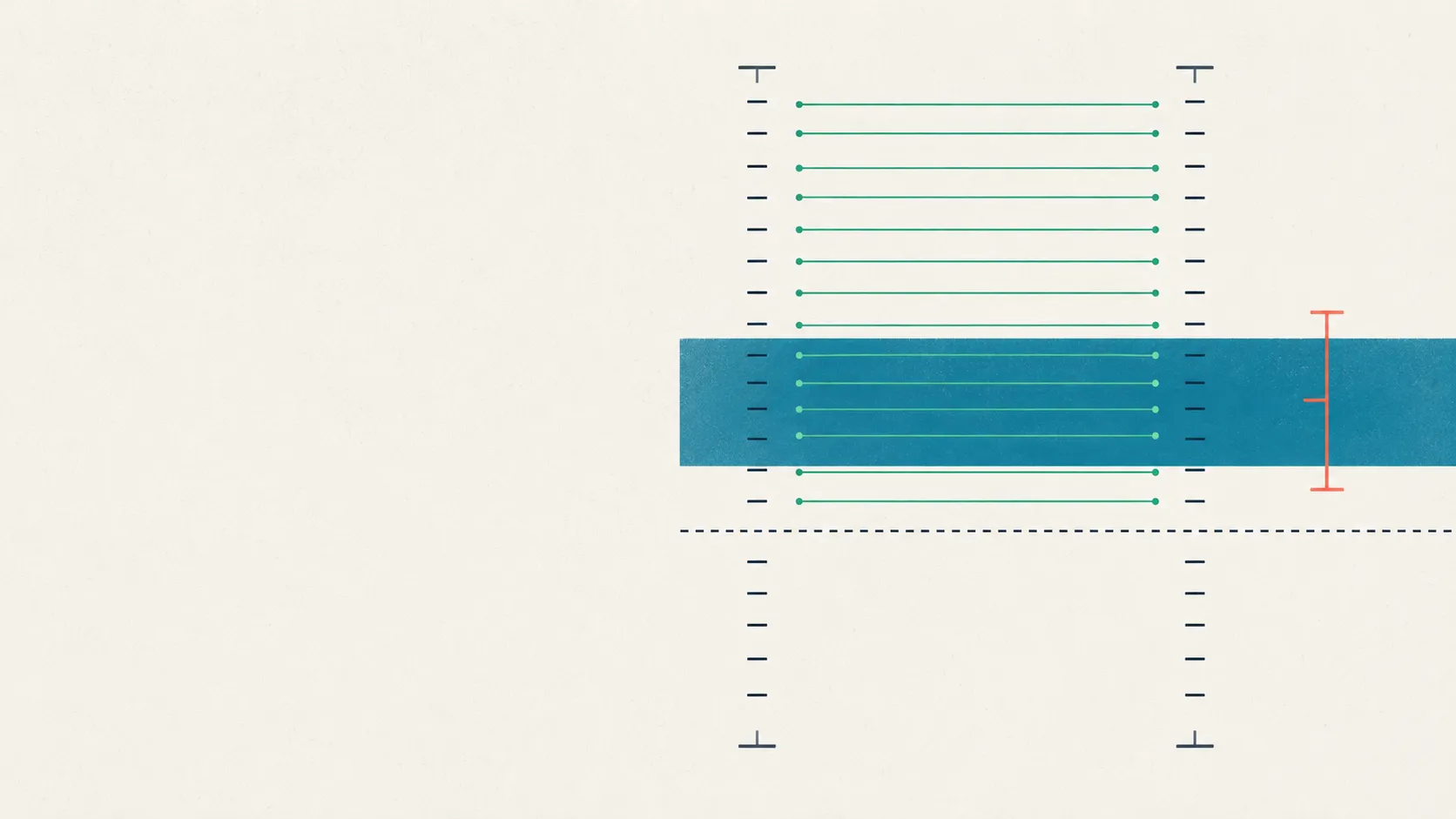 Reliability & Agreement
Raw percent agreement isn't useless. When to chance-correct, when kappa misleads, and when agreement plus a confidence interval is the honest report.
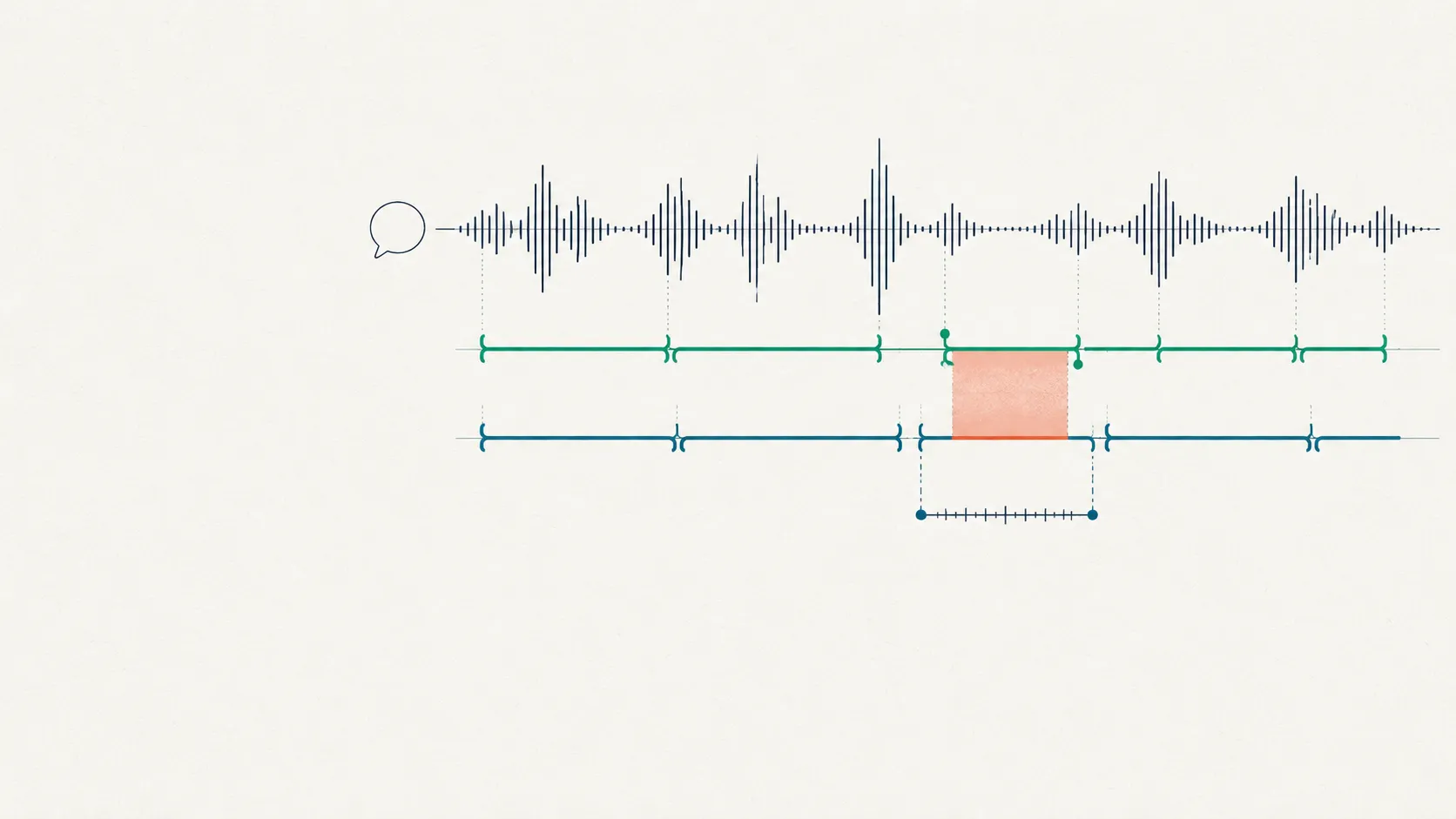 Reliability & Agreement
Cohen's kappa needs a fixed item set that span and NER annotation never has. Measure span-level agreement with pairwise F1 and IoU instead—see how.
 Reliability & Agreement
Which ICC to use for continuous ratings: choose the model (1, 2, or 3), single vs average measures, and absolute agreement vs consistency, from one table.
 Reliability & Agreement
Why Cohen's kappa collapses under skewed prevalence, and how Gwet's AC1 and AC2 chance-correction fixes it—with the formula and a worked example.
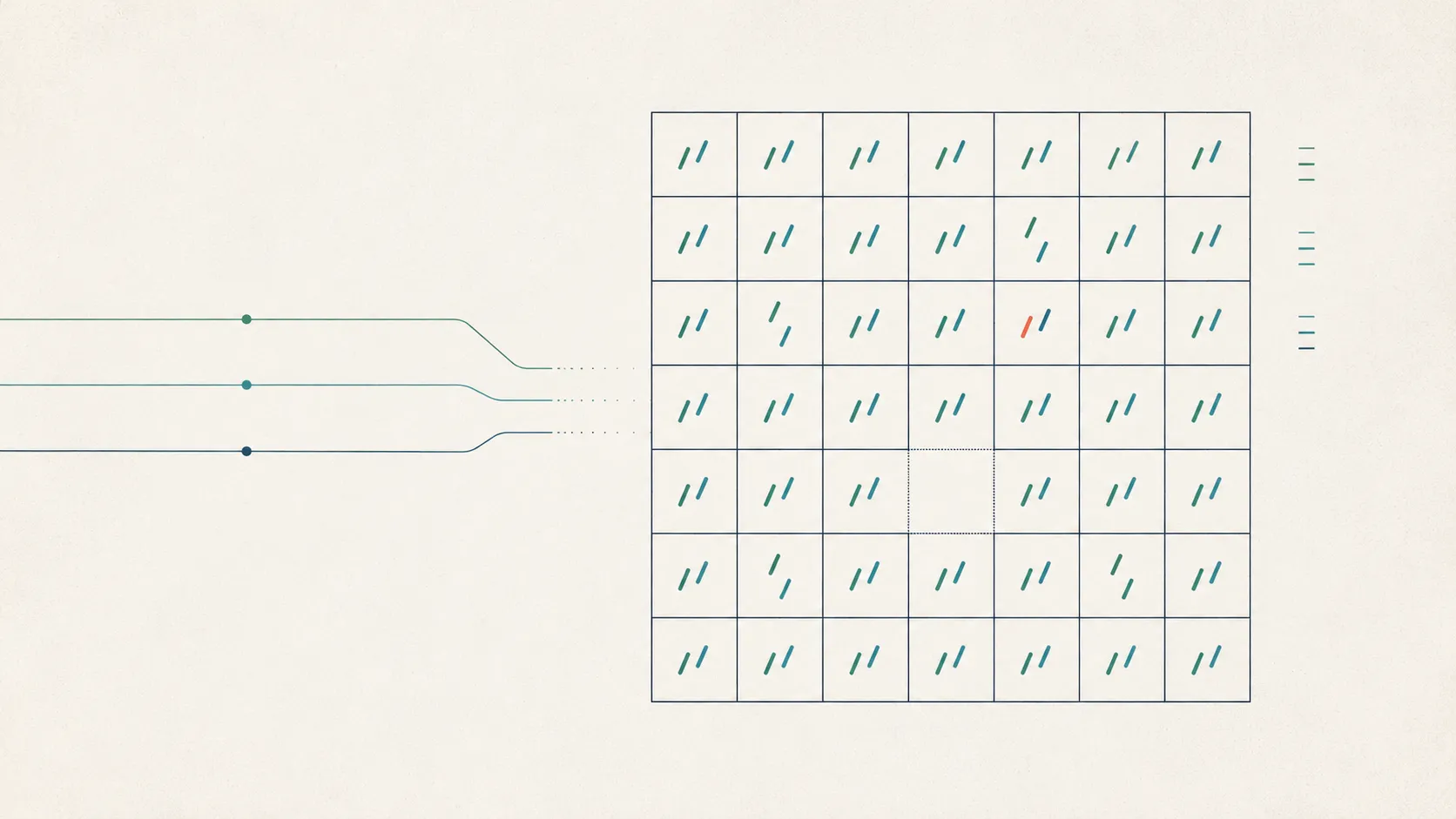 Reliability & Agreement
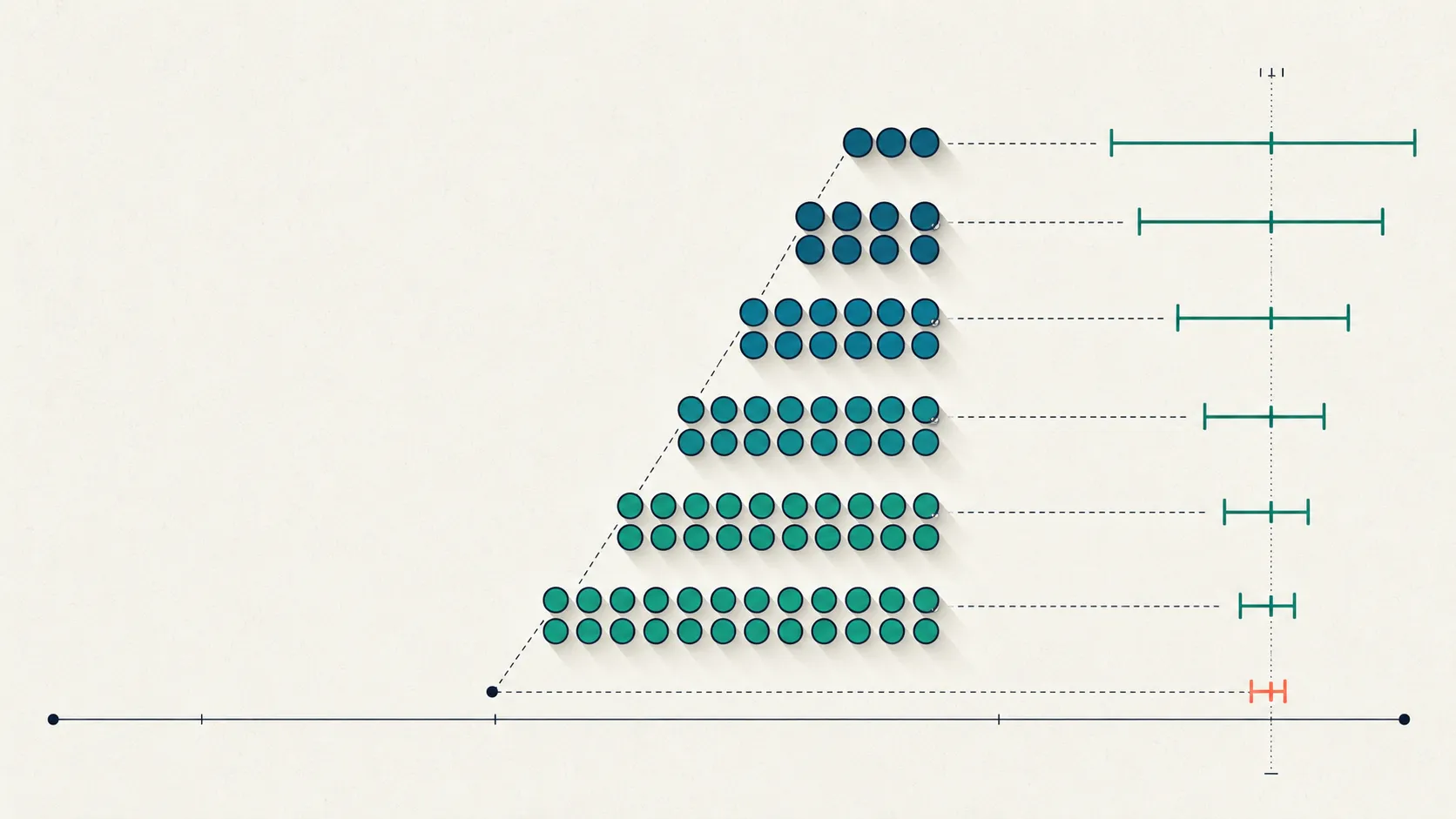
How to compute Krippendorff's alpha: the observed-over-expected disagreement formula for nominal, ordinal, and missing data, with a worked example.
 Reliability & Agreement
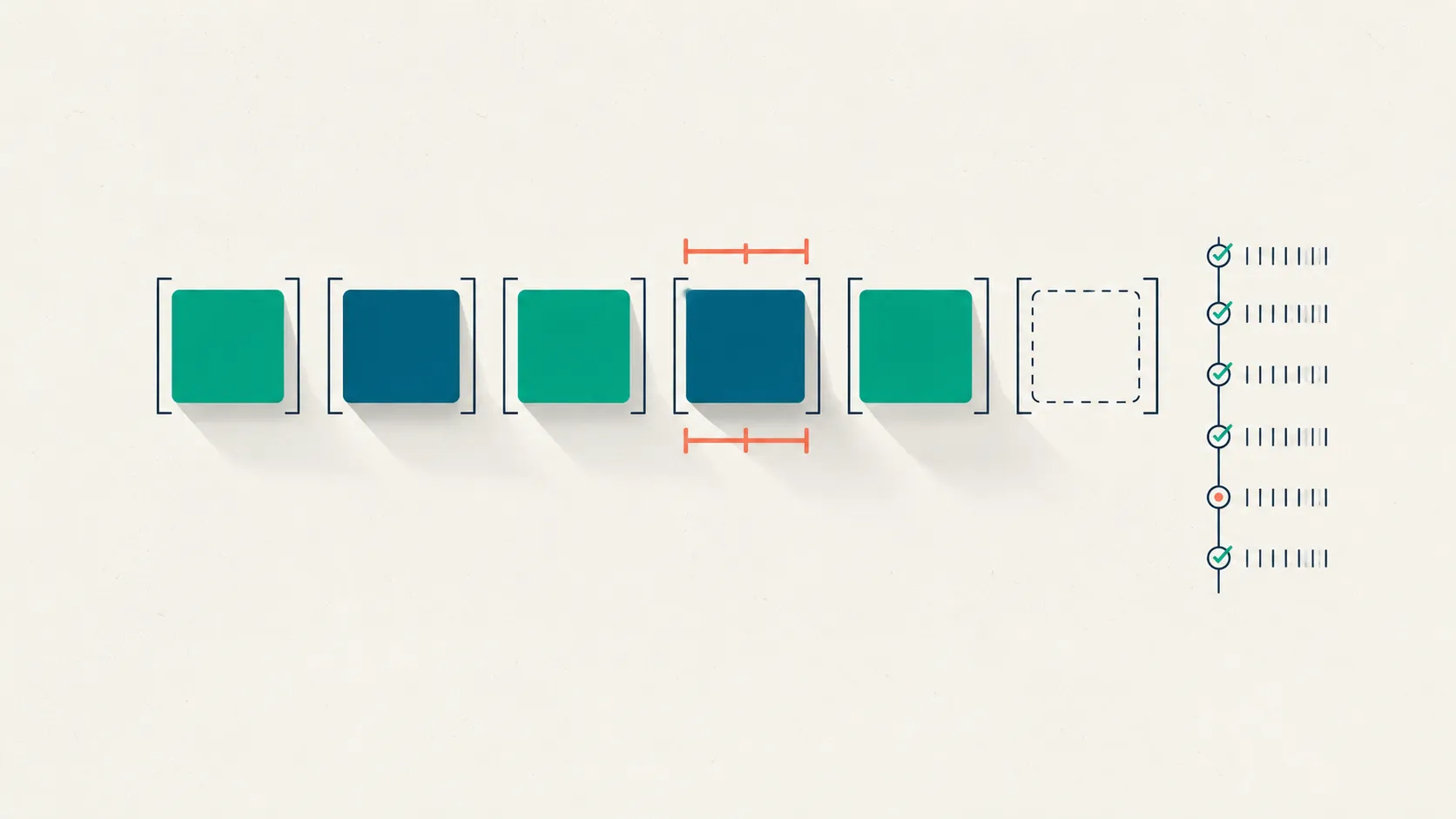
Set the sample size for inter-rater reliability: how many subjects and raters pin kappa or an ICC to a target CI width. See the planning tables.
 Reliability & Agreement
A fill-in-the-blanks methods template for how to report inter-rater reliability: coefficient, raters, unit of analysis, CI, and software, per GRRAS.
 Reliability & Agreement
Which inter-rater reliability coefficient to use, by data type, rater count, and missing data—a decision guide to kappa, alpha, AC1, and ICC.
 Reliability & Agreement
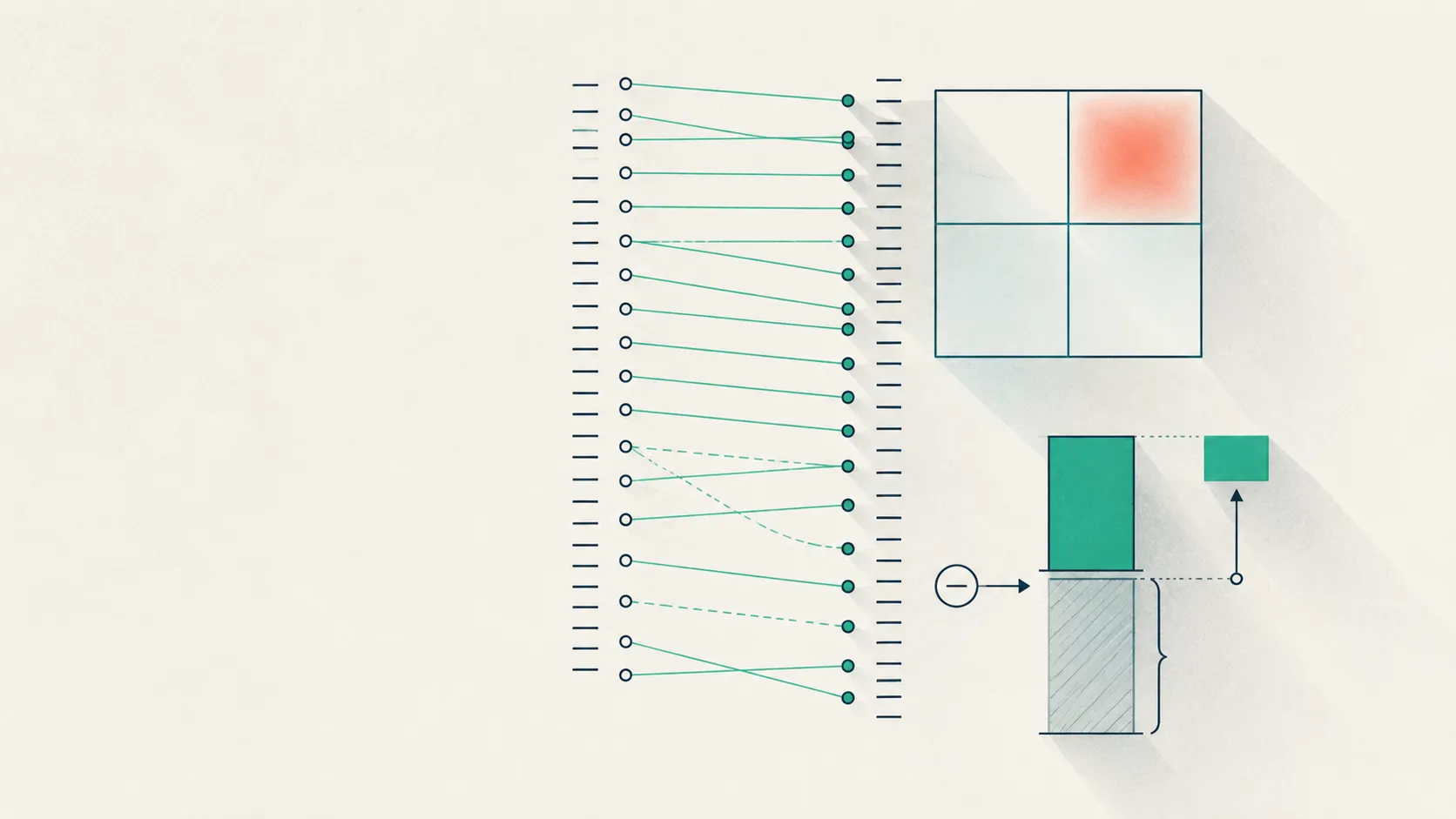
How to compute Cohen's kappa and weighted kappa by hand, read the result honestly, and know when to use Krippendorff's alpha, ICC, or Gwet's AC1 instead.
 Reliability & Agreement
Field notes on annotation—inter-rater reliability, clinical rating scales, qualitative coding, and running labeling projects that actually hold up.
Annotation and qualitative-analysis platforms compared, without the marketing gloss.
 Tools & Comparisons
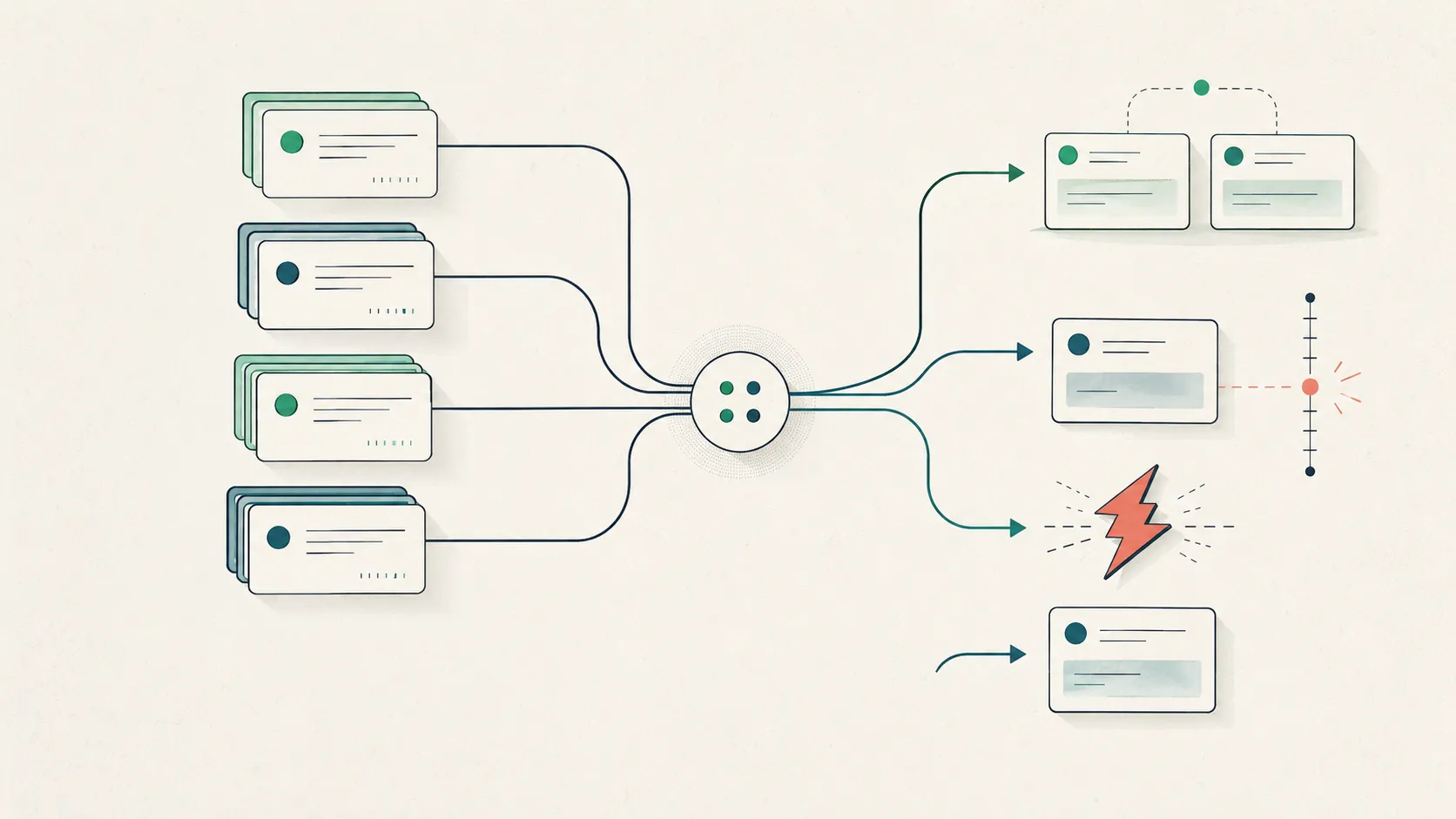
An RLHF data annotation playbook: pairwise preference vs Likert rubrics, reward-model data, eval sets, and rater agreement. See the decision guide.
 Tools & Comparisons
Compare RLHF annotation tools by task—SFT demos, preference ranking, red-teaming, eval rubrics—and find which tool fits each. See the matrix.
 Tools & Comparisons
Compare the best data annotation tools of 2026 by open-source status, pricing, modalities, and workforce—one master table, honest picks by use case.
 Tools & Comparisons
Which clinical transcript annotation tool fits psychiatric, therapy, or SLP research? Compare options on HIPAA, speaker roles, severity scales, and IRR.
 Tools & Comparisons
CVAT vs Labelbox vs V7 for computer-vision annotation: open-source vs enterprise, auto-labeling, DICOM, and pricing models, compared. See which fits.
 Tools & Comparisons
Label Studio vs Prodigy vs doccano for text annotation: open-source status, active learning, team QA, and pricing model, compared. See which one fits.
 Tools & Comparisons
Looking for an NVivo alternative? Compare the best free, modern, and AI-guided qualitative coding tools by price, platform, and clinical fit.
 Tools & Comparisons
Open-source vs commercial annotation tools: the real trade-offs in total cost, support, compliance, and lock-in, plus a decision framework for your team.
 Tools & Comparisons
A fair, four-way qualitative data analysis software comparison of NVivo, ATLAS.ti, MAXQDA and Dedoose: pricing, AI coding and built-in IRR, side by side.
Try a different term — a scale, a method, or a tool name.
Turn these field notes into practice. Annotate transcripts against validated scales, with an agent that learns your codebook and keeps raters in agreement.
Try Tagaroo free