 Image & Multimodal Annotation
Text Annotation Use Cases: Support, Legal & Survey Text
How teams apply text annotation use cases beyond the clinic: support-ticket intent, legal clause tagging, and survey coding, with span evidence and IRR.
Read
17 articles
Annotation does not stop at text. Images, audio, documents, and video each come with their own labeling vocabulary—bounding boxes, polygons, segmentation masks, keypoints, timestamps, layout regions—and their own failure modes. These articles map the annotation types to the tasks they fit, with special attention to medical imaging, where labeling conventions carry clinical weight.
Quality measurement changes with the modality, too. Agreement on a segmentation mask is not a kappa problem: it is Dice, IoU, or Hausdorff distance, and the choice among them changes which errors your evaluation even sees. We cover how many annotators an imaging task actually needs, how model-assisted labeling shifts the human's role, and how to find label errors in a dataset that has already been paid for.
If your project spans modalities—transcripts plus recordings, scans plus reports—this is the section for keeping the labeling pipeline coherent across all of them.
Image & Multimodal AnnotationHow teams apply text annotation use cases beyond the clinic: support-ticket intent, legal clause tagging, and survey coding, with span evidence and IRR.
 Image & Multimodal Annotation
How ground truth for medical AI is built for FDA review: reference standards, expert panels, MRMC reader studies, and the SegAgree agreement idea.
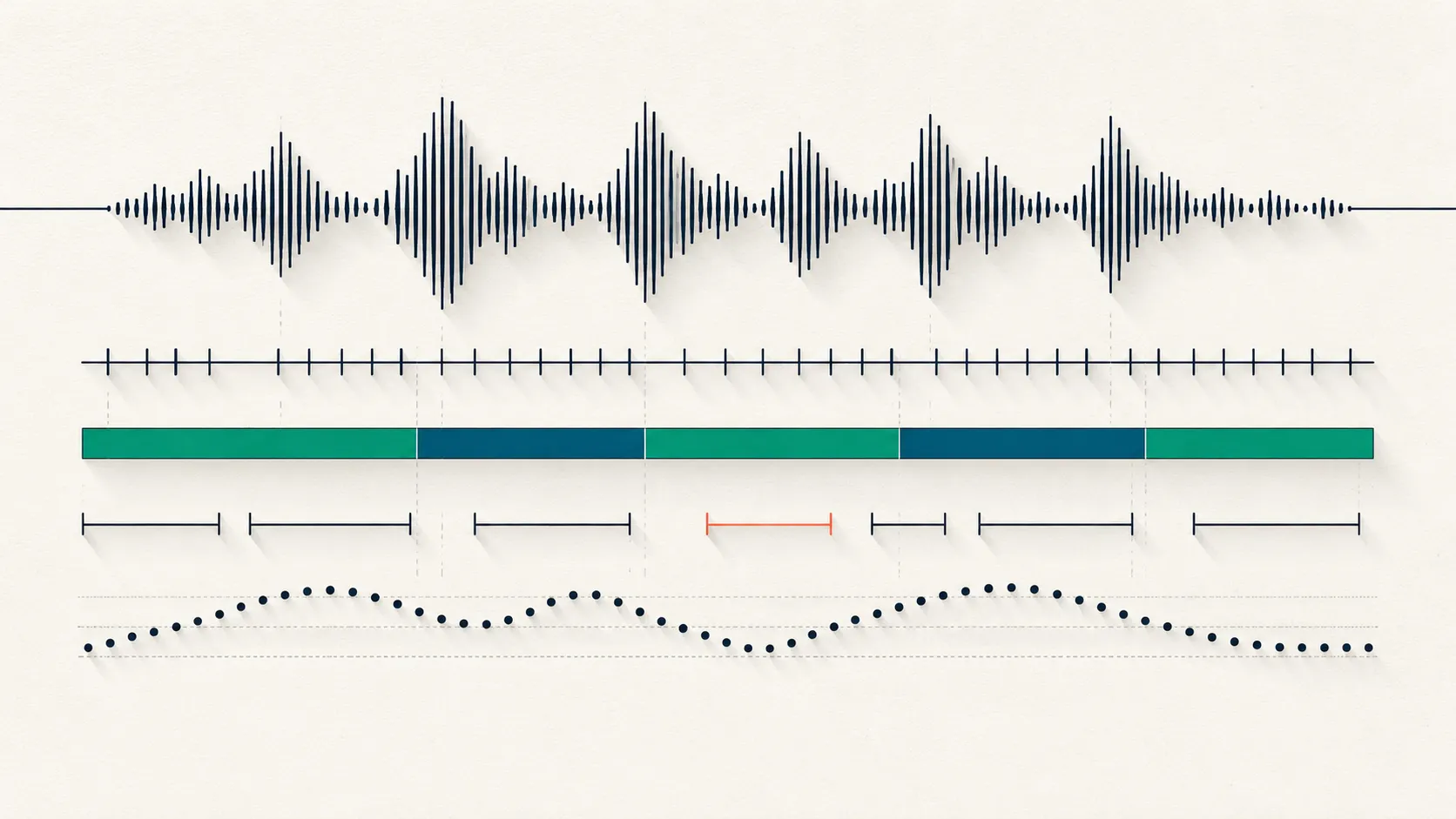 Image & Multimodal Annotation
Audio annotation turns raw speech into labeled data: transcription, speaker diarization, timestamped events, and prosody tags. Compare the types.
 Image & Multimodal Annotation
A finding-by-finding chest X-ray annotation example: build a CheXpert-style schema, handle uncertainty labels, and pick image-level vs region labels.
 Image & Multimodal Annotation
Dice vs IoU, the Jaccard index, and Hausdorff distance compared: formulas, the Dice-IoU identity, and when overlap metrics mislead. See which to report.
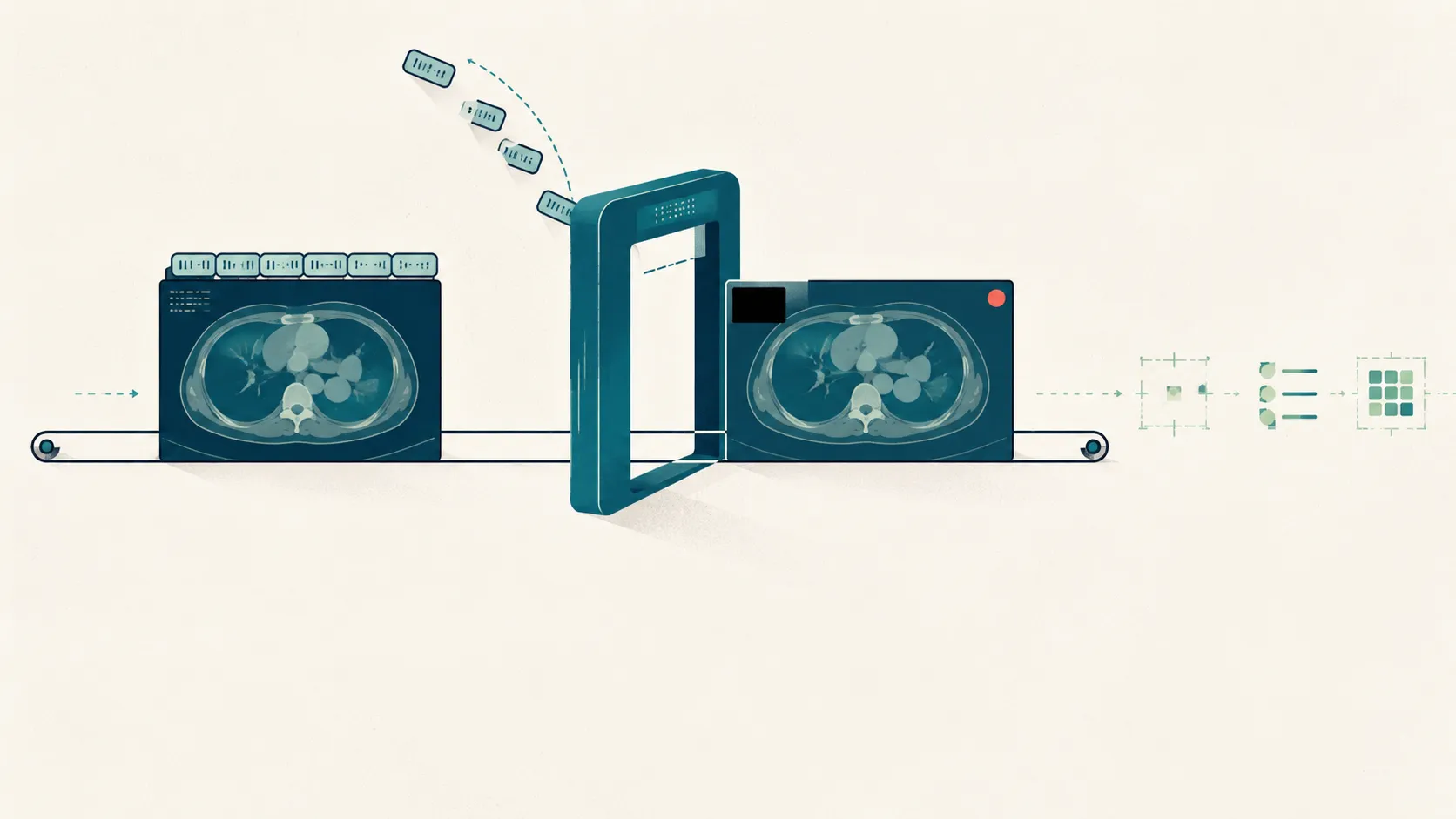 Image & Multimodal Annotation
A DICOM annotation and data-prep guide: strip header and burned-in pixel PHI, window images for display, and store labels as DICOM-SEG, SR, or JSON.
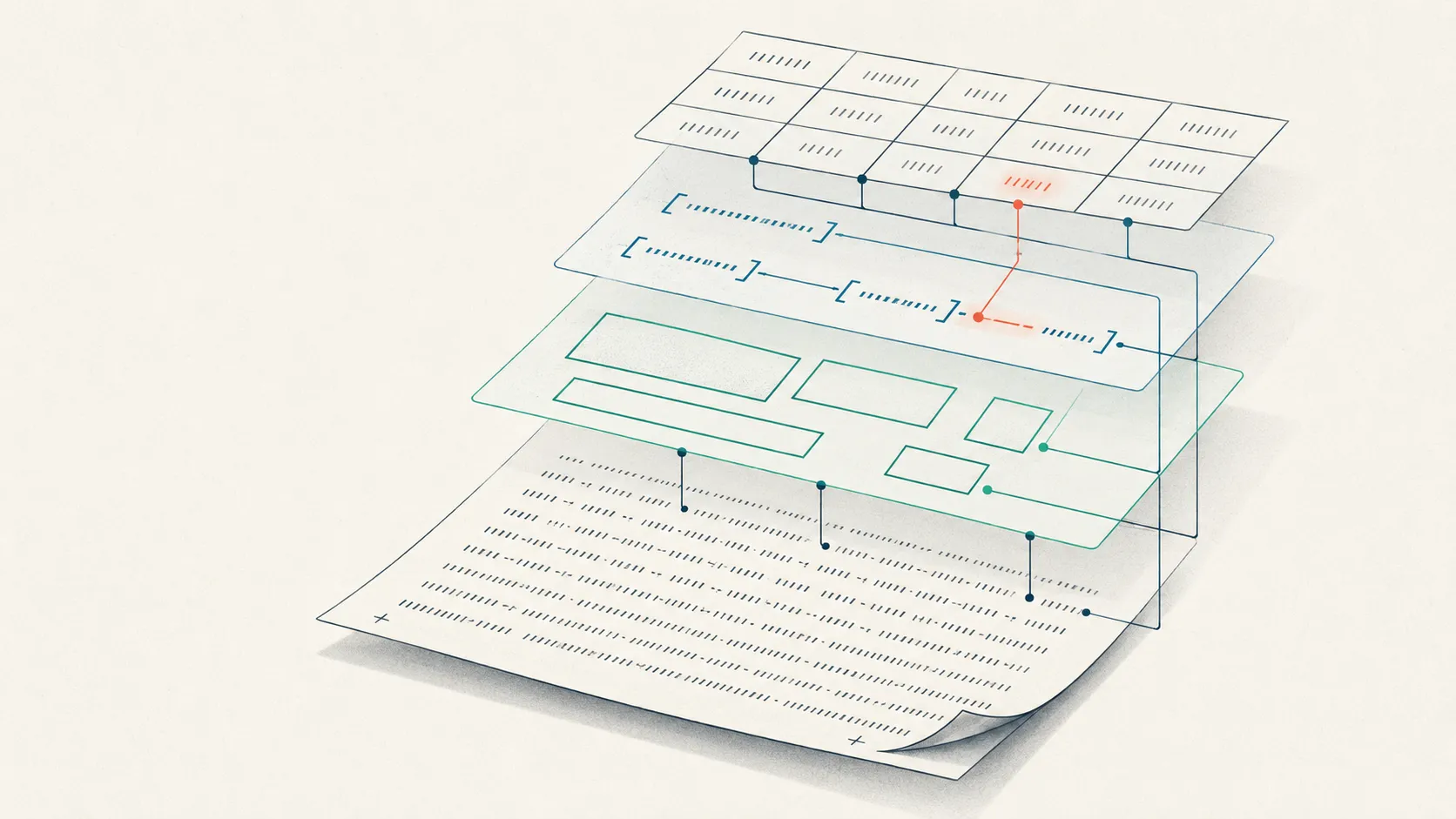 Image & Multimodal Annotation
How document annotation works for ML: layout regions, document entities, key-value pairs, and table structure, plus the datasets. See the tasks.
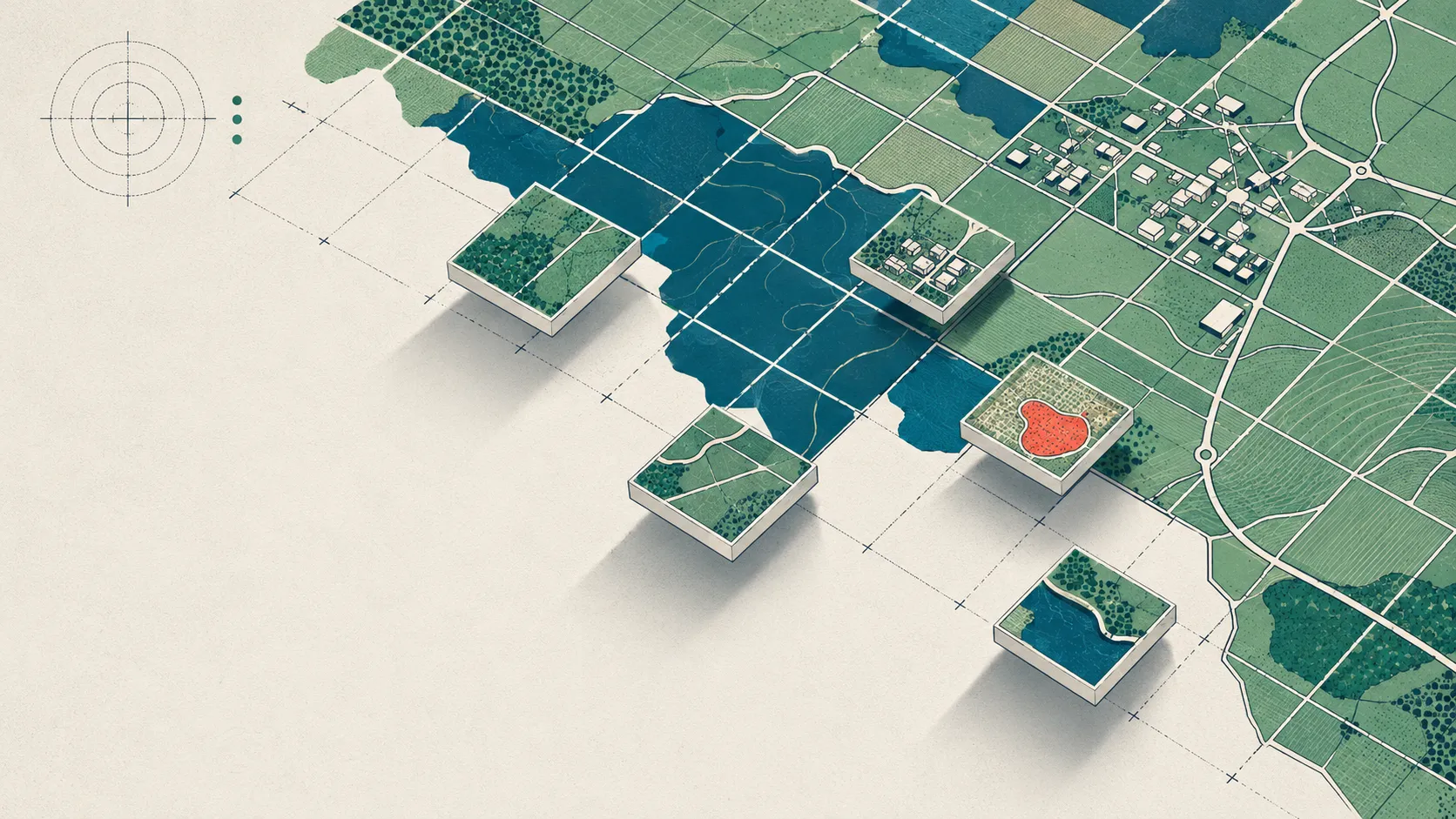 Image & Multimodal Annotation
Geospatial image annotation covers satellite, aerial, and microscopy imagery—where huge rasters, rare classes, and expert-only labels change the rules.
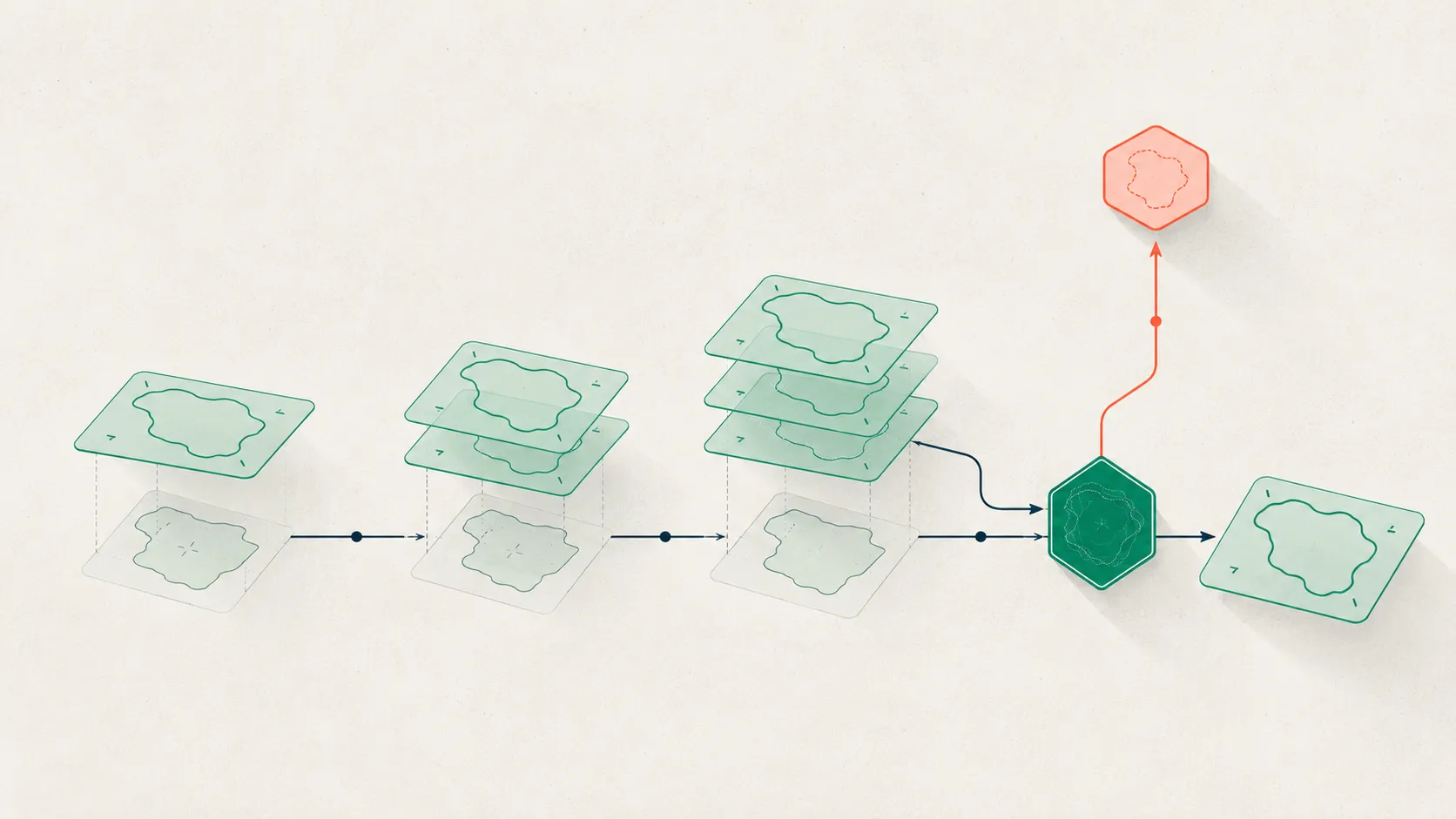 Image & Multimodal Annotation
How many annotators medical images need depends on clinical risk, from spot-checking low-risk labels to blind multi-reader reads with adjudication.
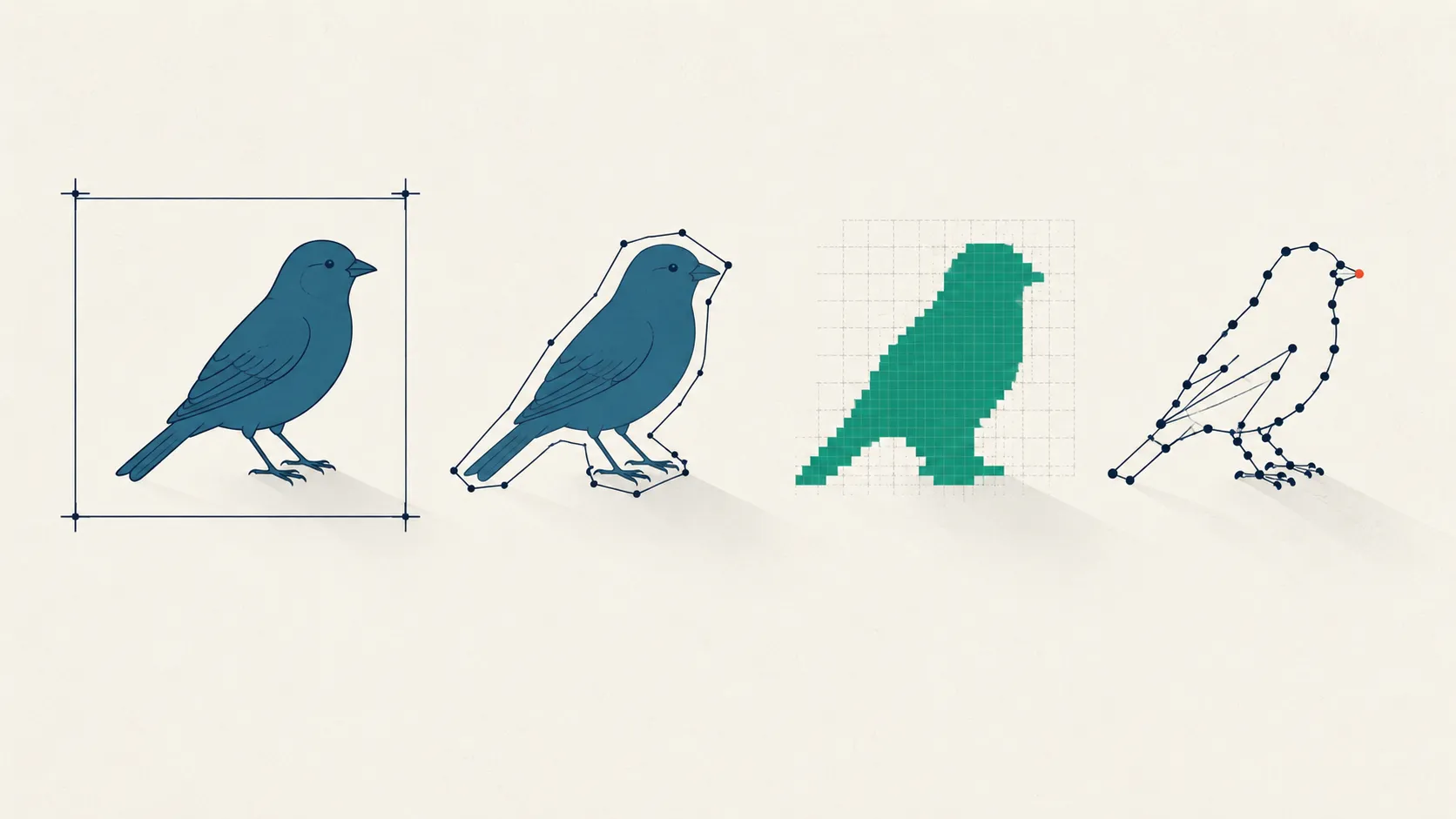 Image & Multimodal Annotation
Bounding box, polygon, semantic vs instance vs panoptic masks, or keypoints? Compare image annotation types by cost, precision, and downstream task.
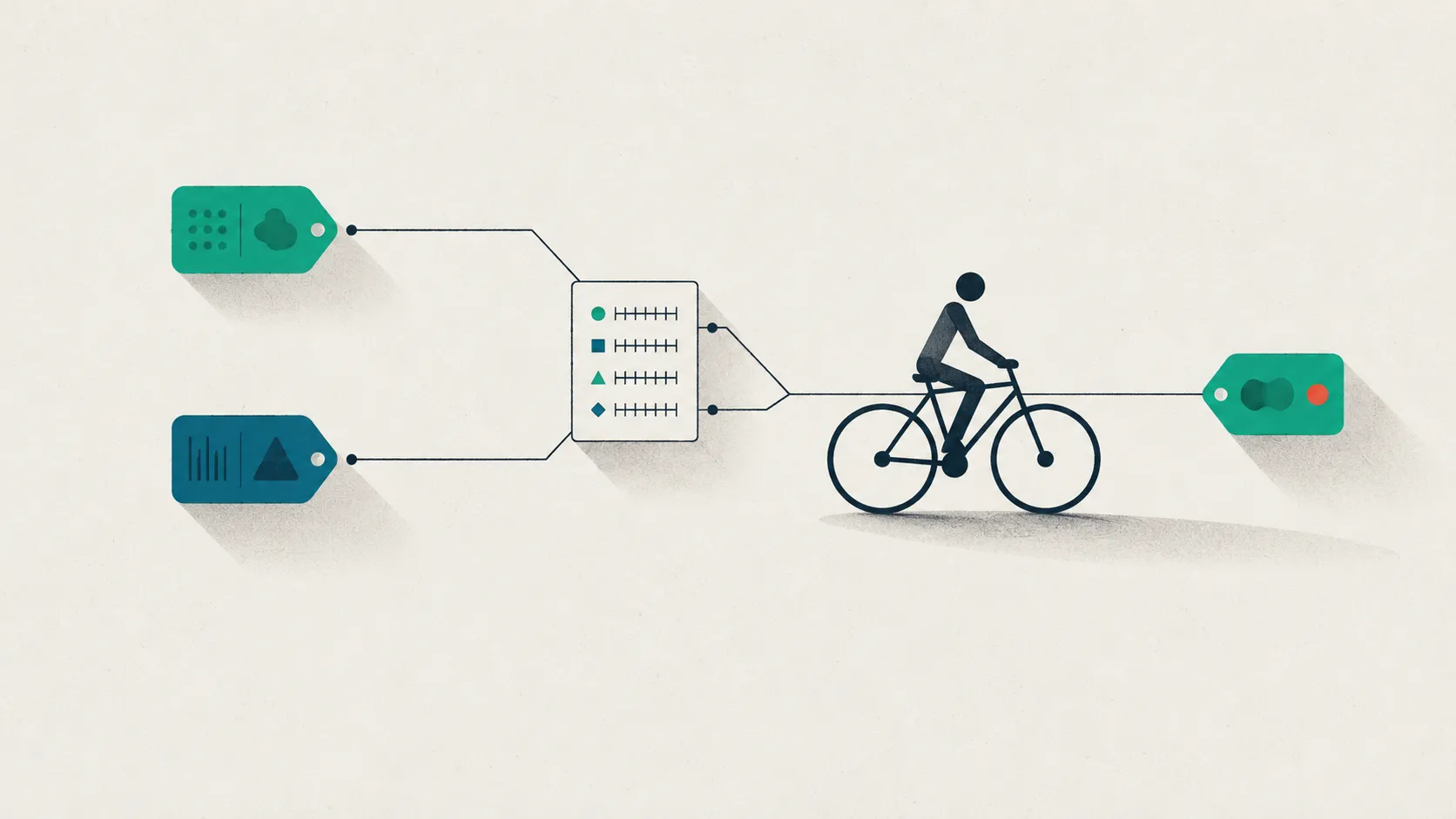 Image & Multimodal Annotation
Write image labeling guidelines annotators actually apply: mutually exclusive vs overlapping classes, visual examples, and clear when-in-doubt rules.
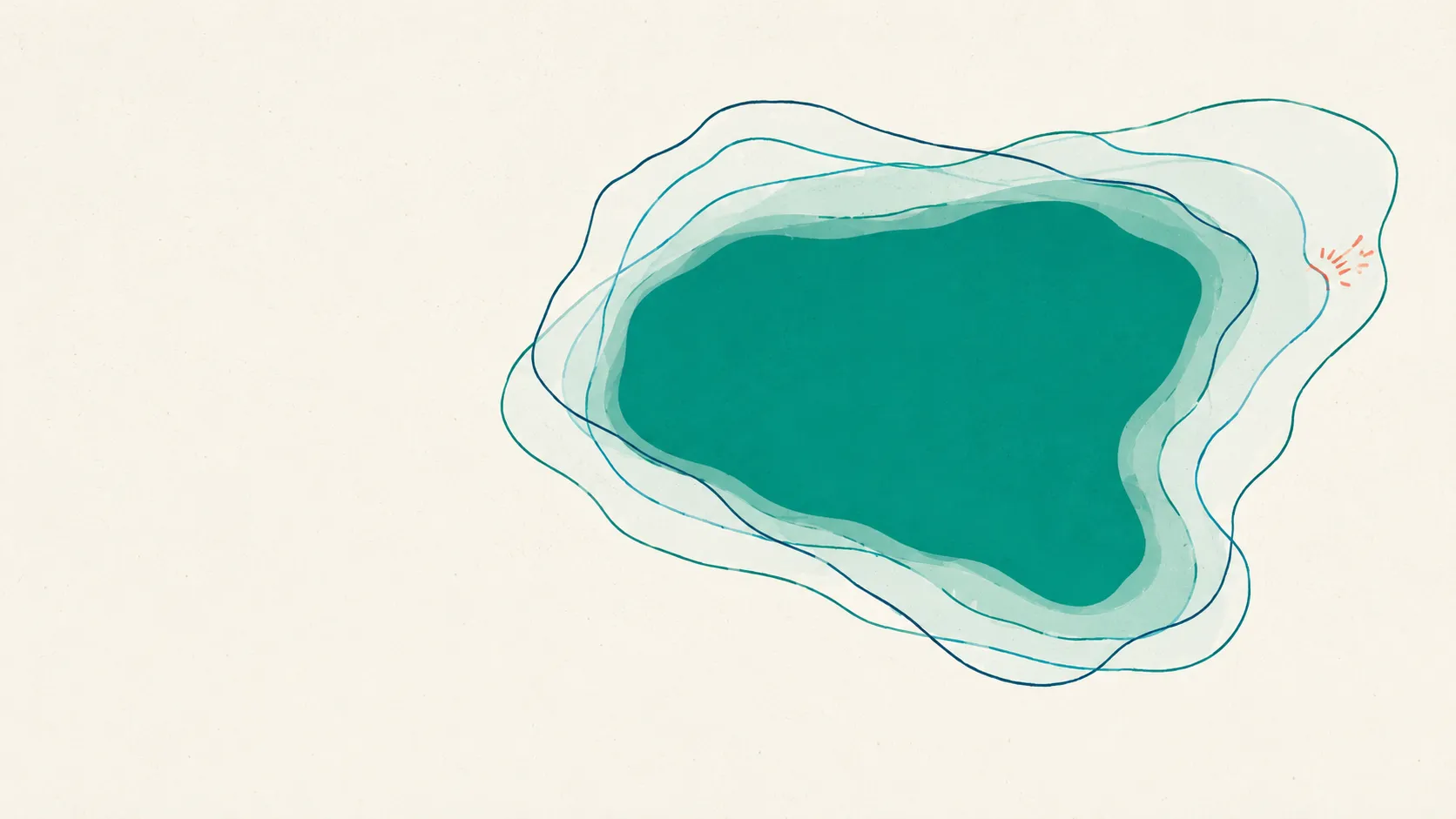 Image & Multimodal Annotation
Why Cohen's kappa fails on pixels, and how Dice, IoU, and the STAPLE algorithm measure image segmentation agreement across annotators. See the math.
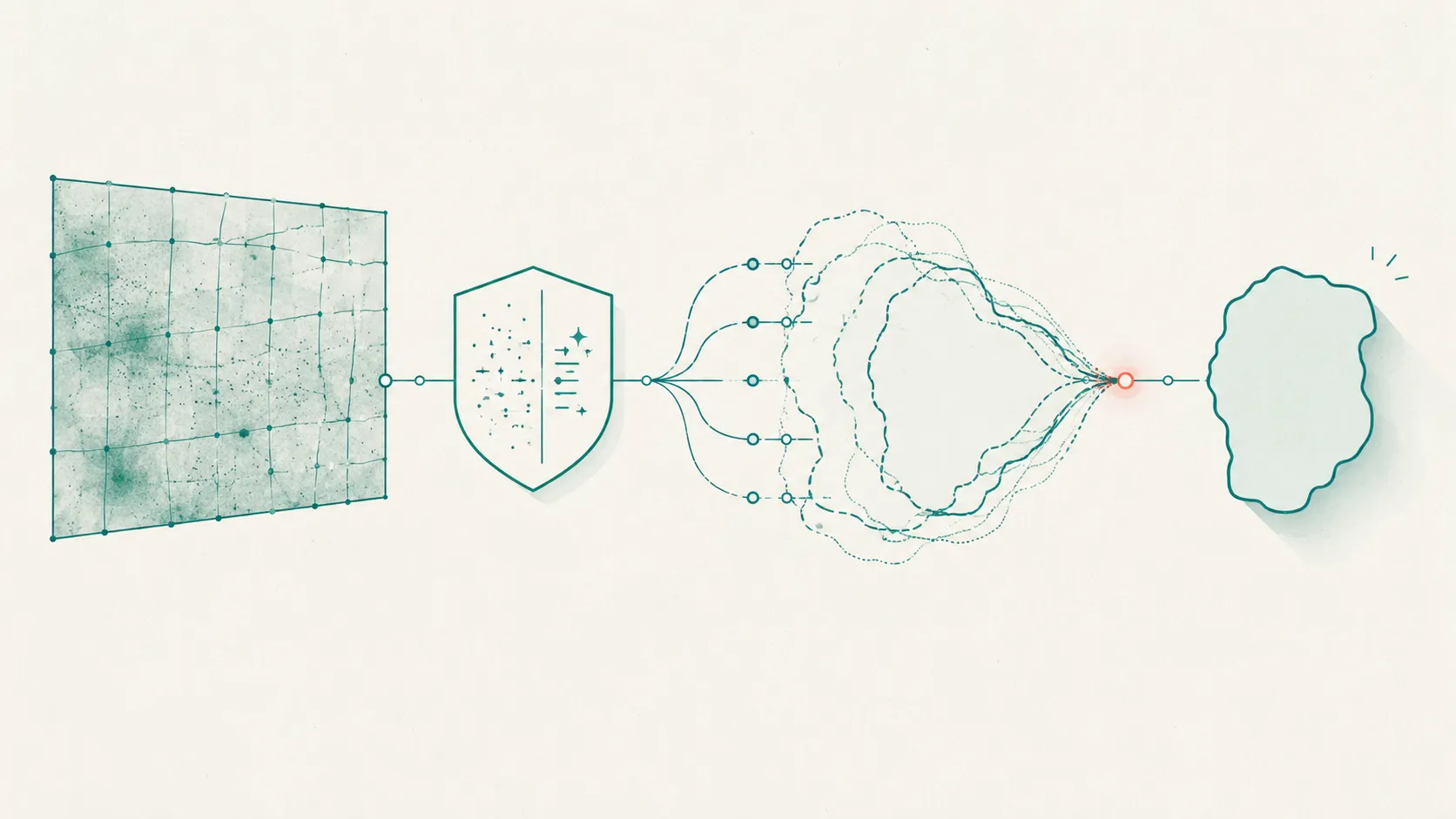 Image & Multimodal Annotation
Medical image annotation, end to end: annotation types, who should label, consensus and adjudication, DICOM de-identification, and QA tied to risk.
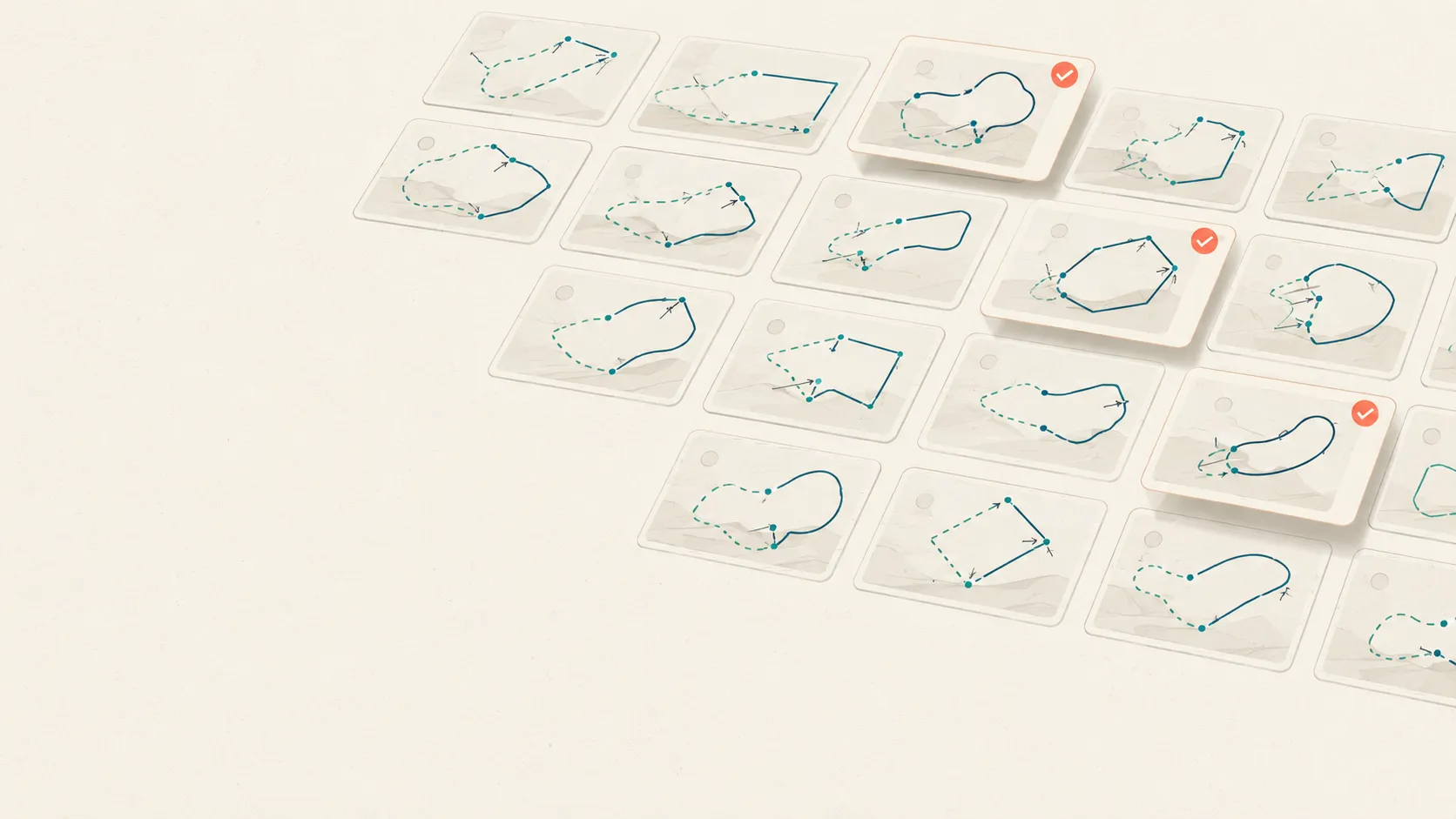 Image & Multimodal Annotation
Model-assisted labeling lets a model draft image labels so annotators correct, not create. How pre-labeling and active learning cut work honestly.
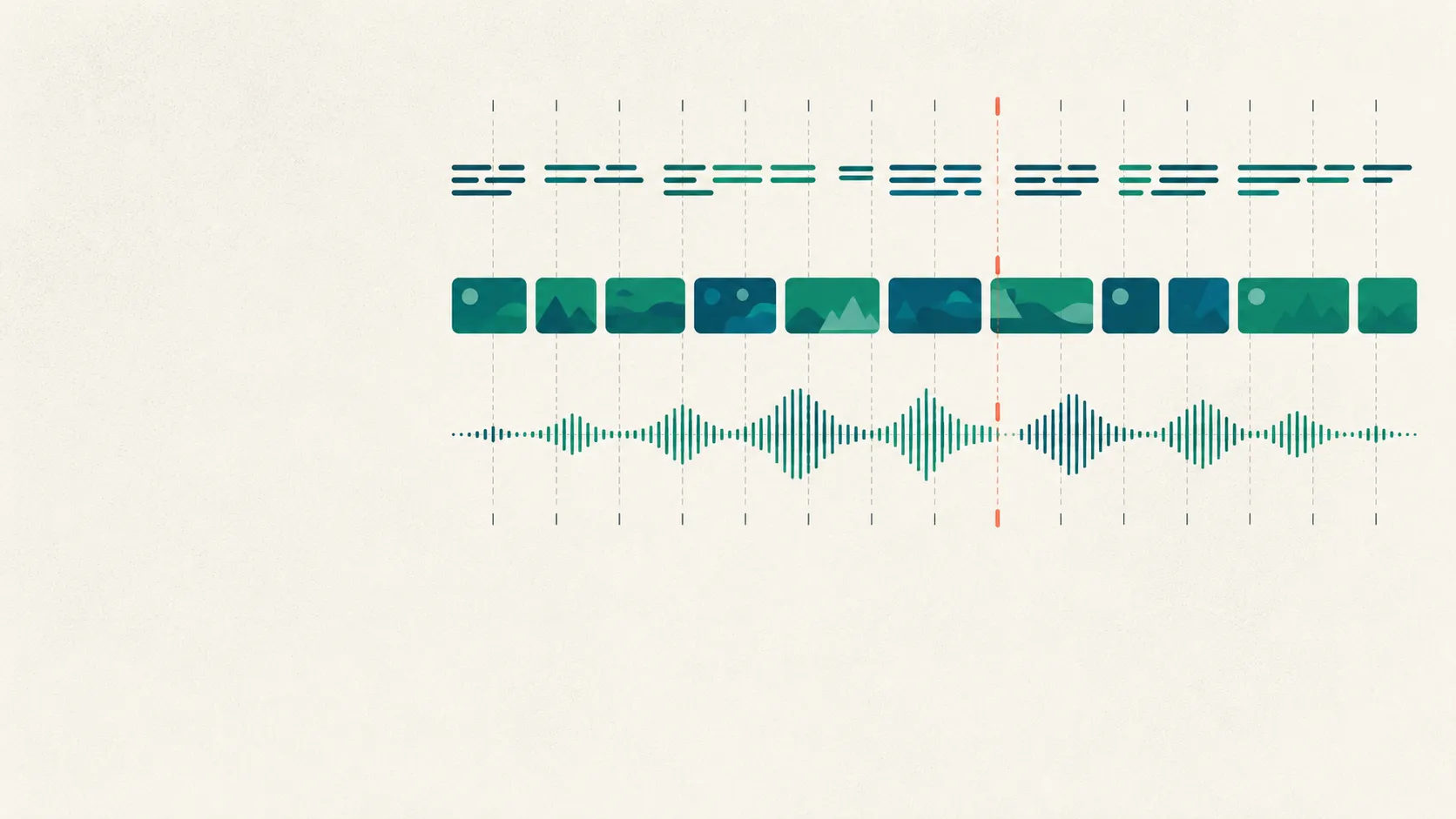 Image & Multimodal Annotation
Annotate aligned text, image, and audio in one schema for foundation models: cross-modal alignment, unified taxonomies, and QA that keeps labels in sync.
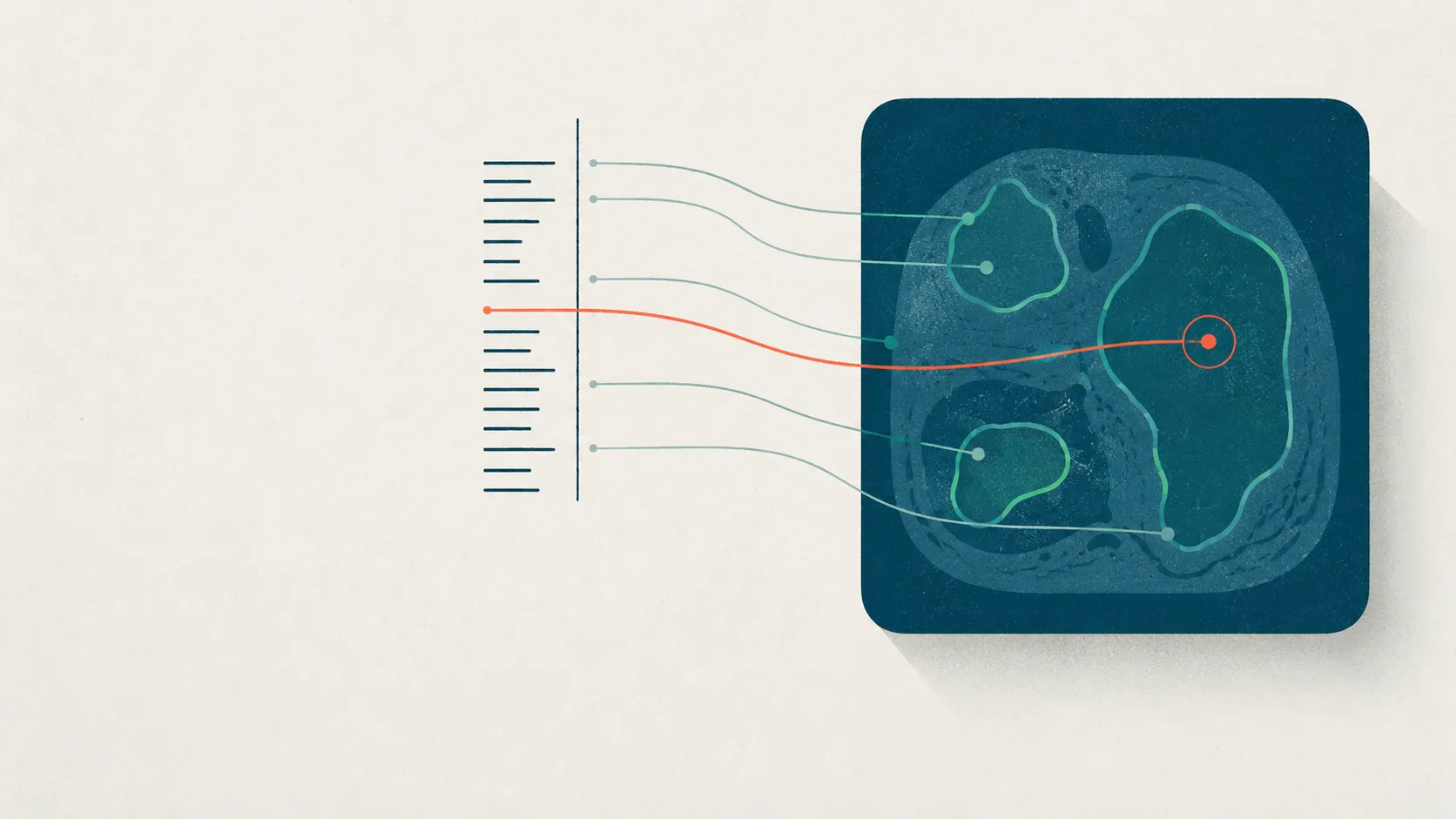 Image & Multimodal Annotation
How to build multimodal image-text annotation datasets: pair reports to images, ground report phrases to regions, and link findings across modalities.
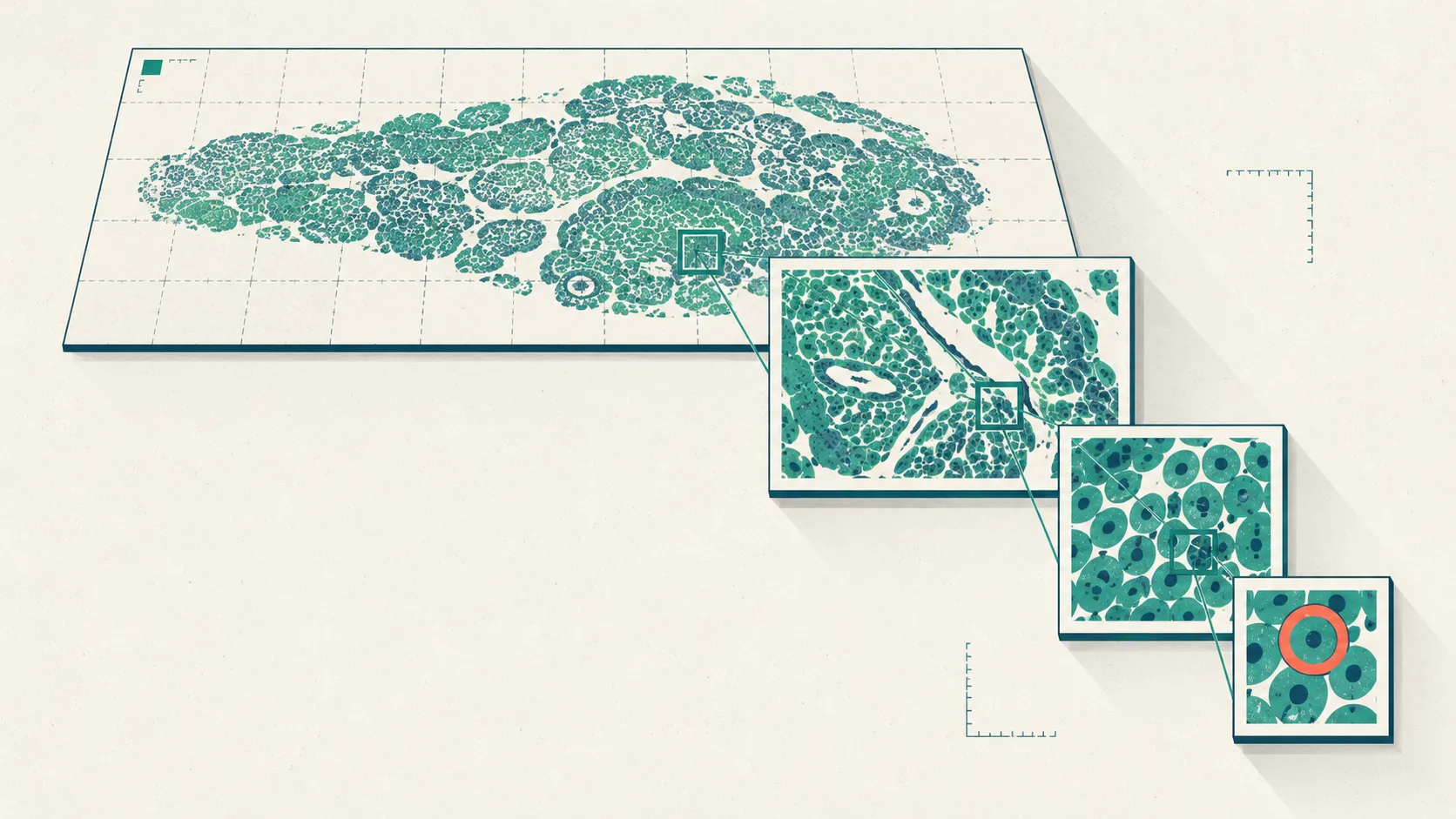 Image & Multimodal Annotation
Whole-slide image annotation for computational pathology: the gigapixel challenge, the slide-to-cell label hierarchy, and pathologist-in-the-loop QA.