 Annotation Operations & Ethics
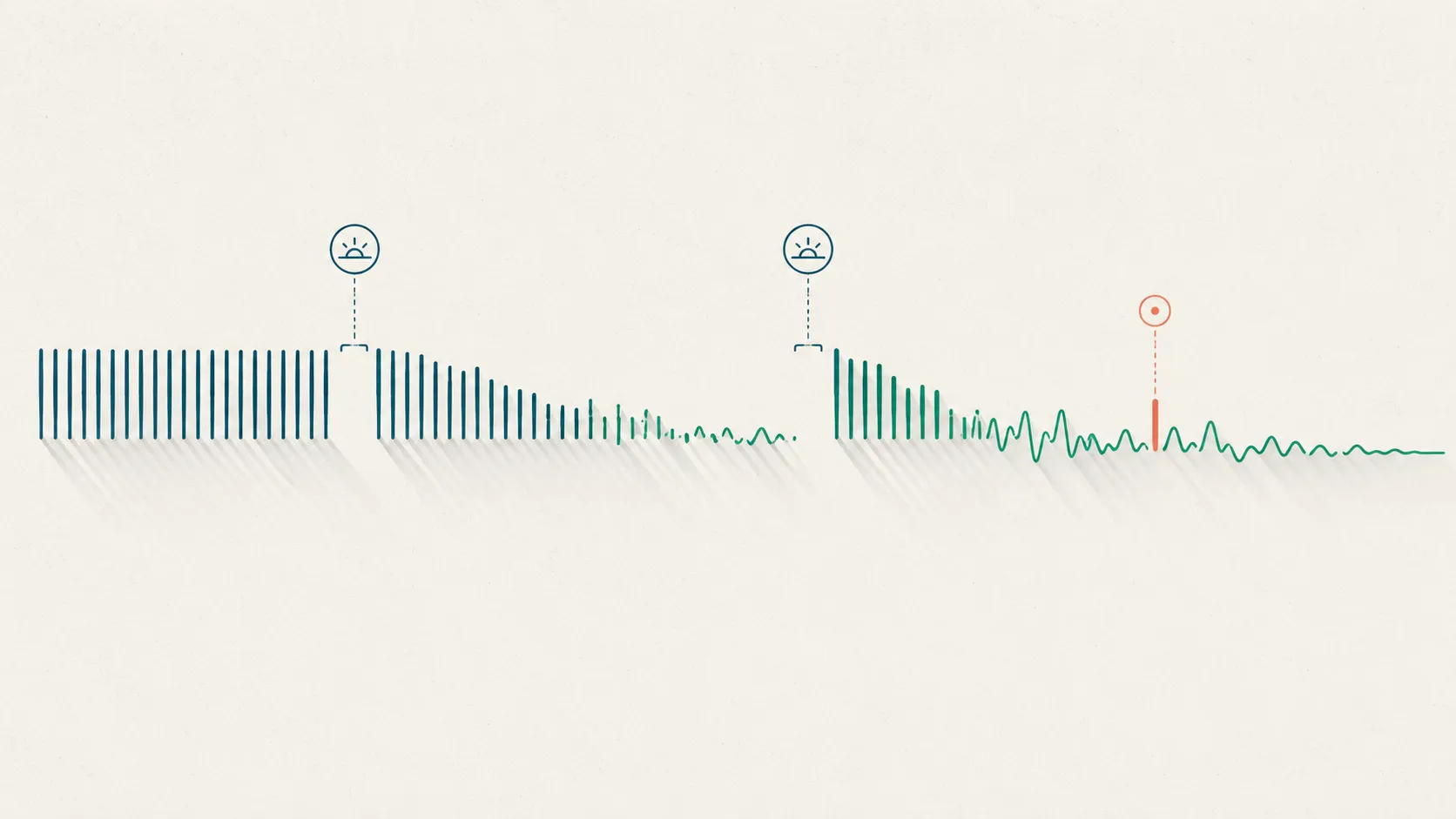
Annotation Fatigue: Why Label Quality Drops Over Time
Annotation fatigue erodes label quality within a session. See the vigilance-decrement evidence and the breaks, caps, and catch-trials that hold it steady.
Read
23 articles
Annotation does not scale linearly. Somewhere between a two-coder pilot and a funded campaign, every project hits the same operational wall: guidelines that read clearly but code ambiguously, training that does not transfer, quality that drifts as weeks pass, and budgets that assumed labeling was cheap. These articles are the operations manual—writing guidelines that work, screening and training annotators, running pilot rounds, adjudication and consensus procedures, and the quality-control loop that catches problems while they are still fixable.
The ethics are not a separate topic; they are an operations input. Annotator pay affects label quality. Working conditions affect retention, and retention affects consistency. Data-labeling supply chains have a documented human cost, and projects in regulated domains—clinical, forensic, educational—carry compliance obligations that have to be designed in, not patched on. We treat responsible data work as part of running a defensible project, not as a sidebar.
For lab directors, research coordinators, and anyone whose name goes on the data statement: this is the section about everything that happens around the labels.
Annotation Operations & EthicsAnnotation fatigue erodes label quality within a session. See the vigilance-decrement evidence and the breaks, caps, and catch-trials that hold it steady.
 Annotation Operations & Ethics
Annotator burnout has clear causes and warning signs. Learn the drivers, symptoms to watch for, and the workload and rotation practices that prevent it.
 Annotation Operations & Ethics
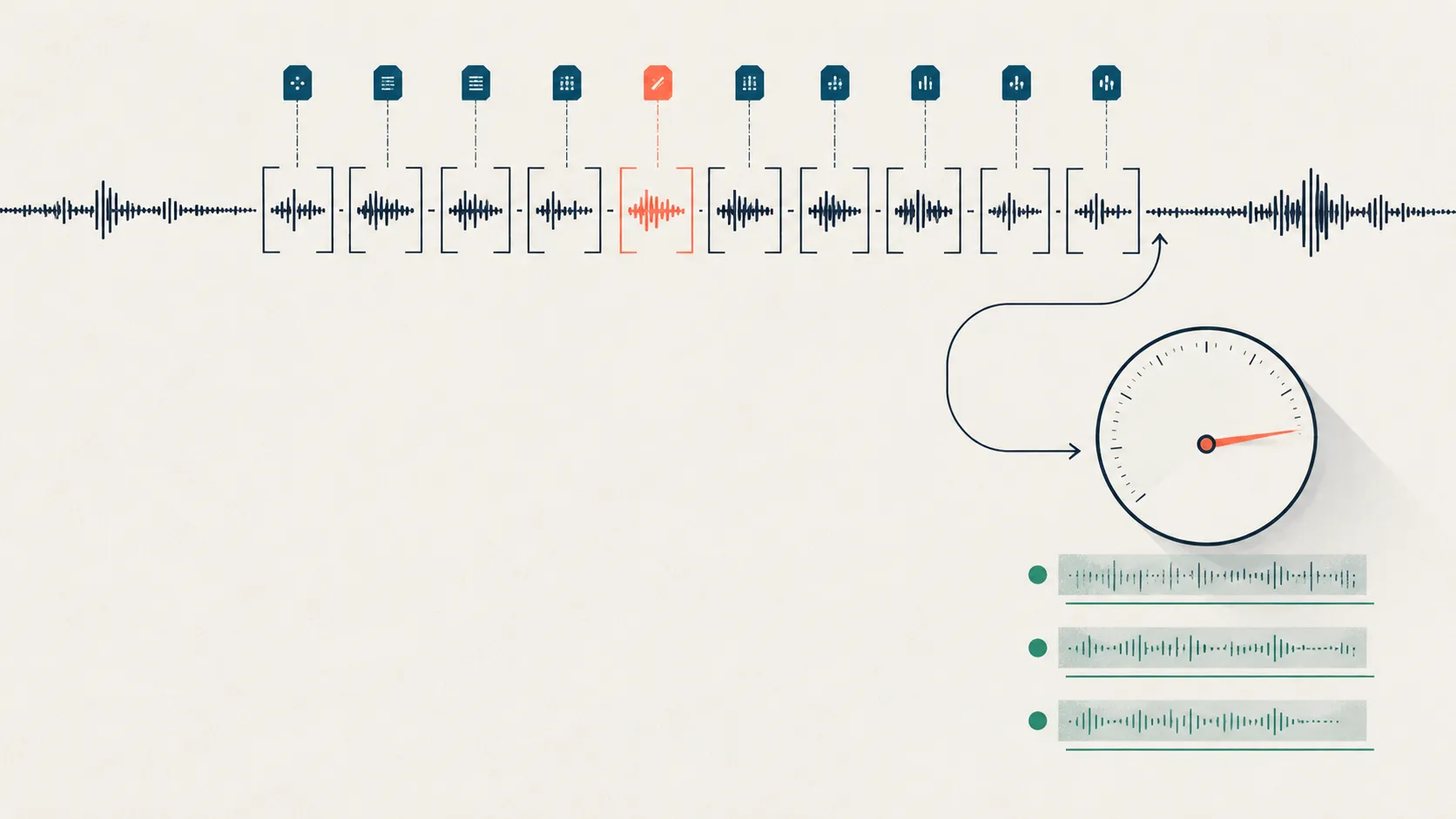
Evidence mode rates the whole transcript once and cites its supporting spans; instance mode tags each occurrence. How the choice reshapes reliability math.
 Annotation Operations & Ethics
Ethical data annotation means fair pay, conditions, contracts, management, and representation. Audit any vendor against the Fairwork standard.
 Annotation Operations & Ethics
Concrete protections for sensitive content annotation: informed consent, exposure limits, grayscale and blur defaults, and debriefing. Get the protocol.
 Annotation Operations & Ethics
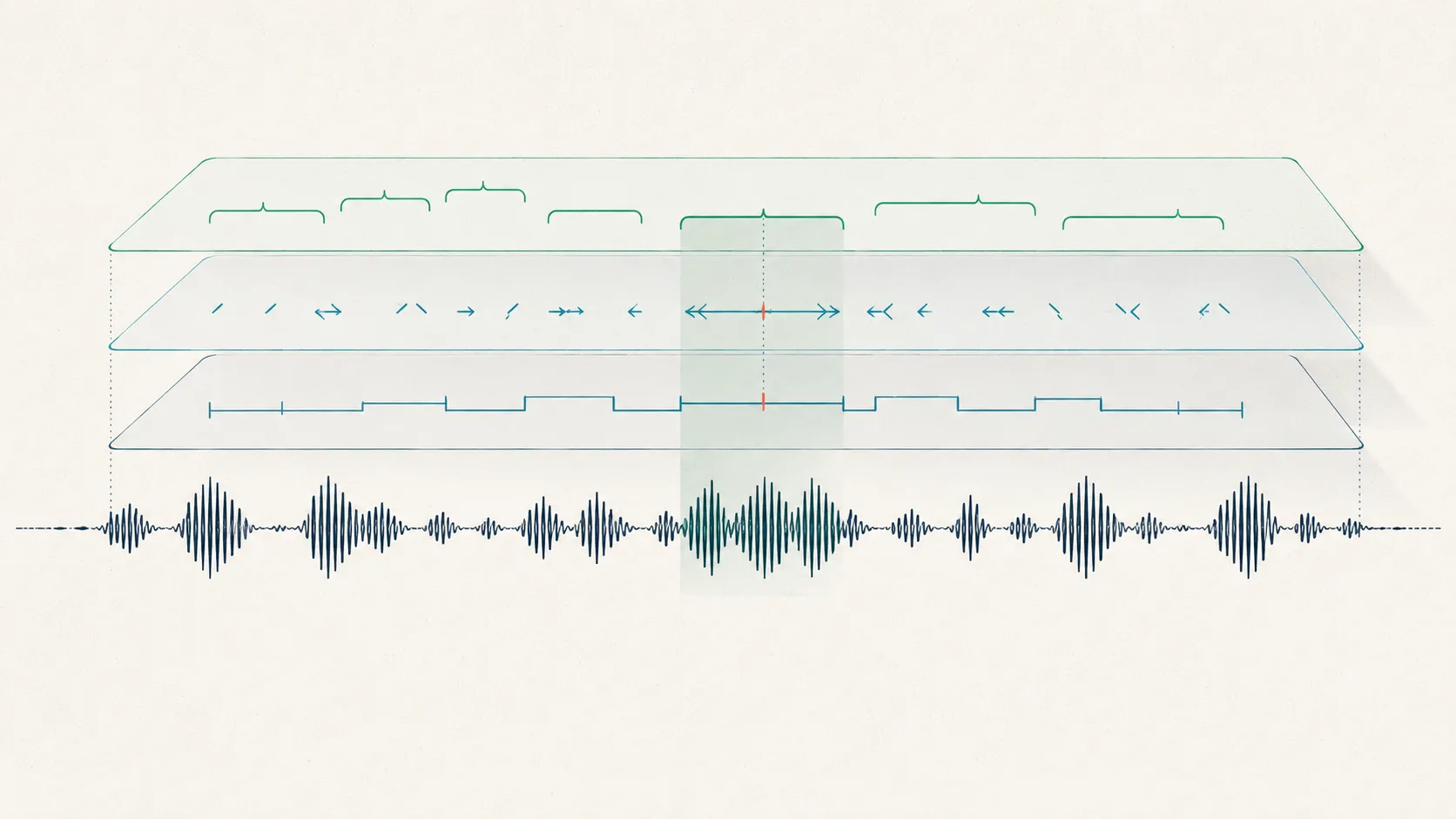
Multi-layer annotation stacks several coding schemes and rating scales on one transcript. Keep layers independent, handle overlaps, score each separately.
 Annotation Operations & Ethics
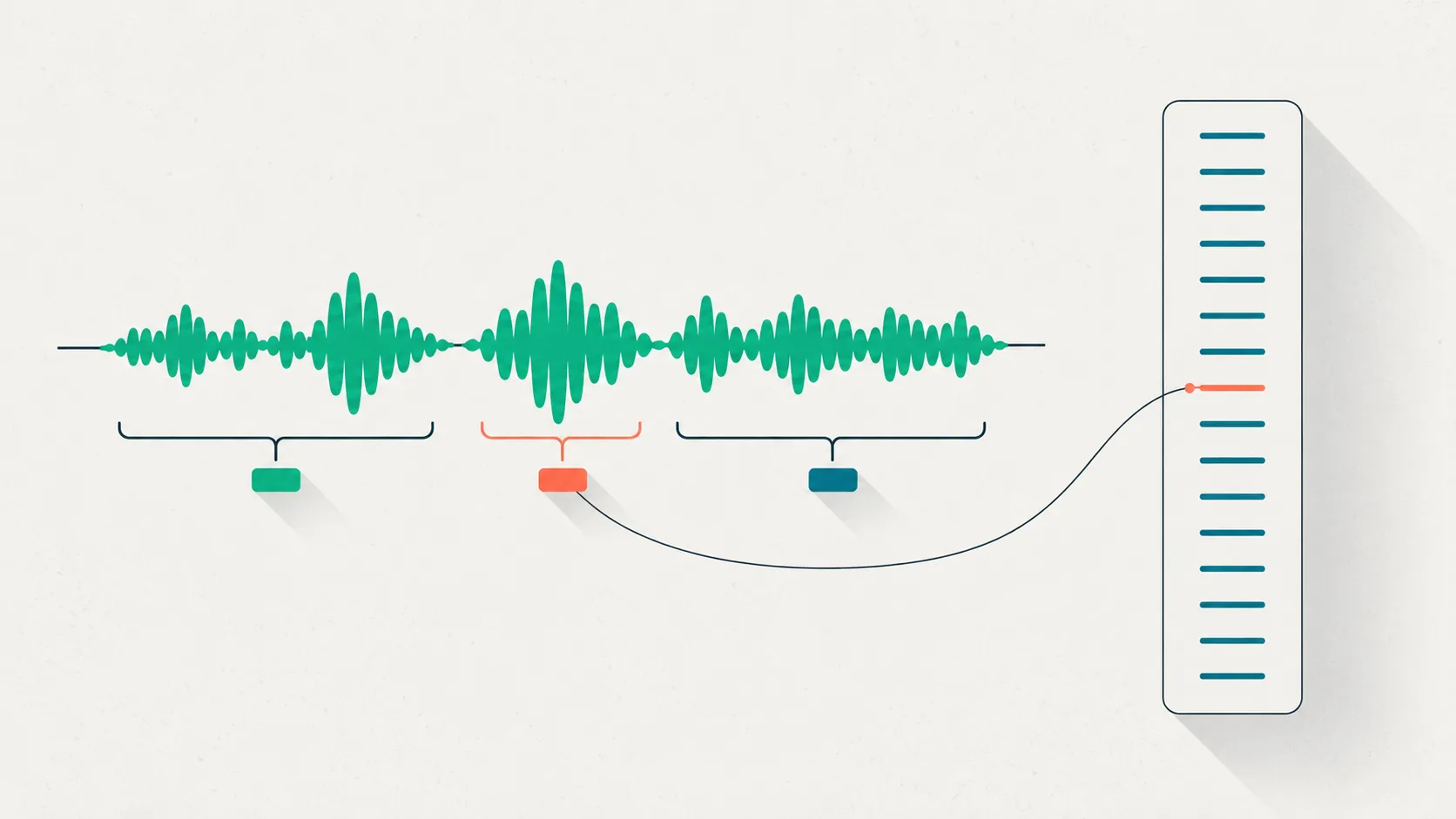
Rating scale vs coding scheme: how dimensional severity and categorical coding change your unit of analysis, reliability statistic, and annotation UI.
 Annotation Operations & Ethics
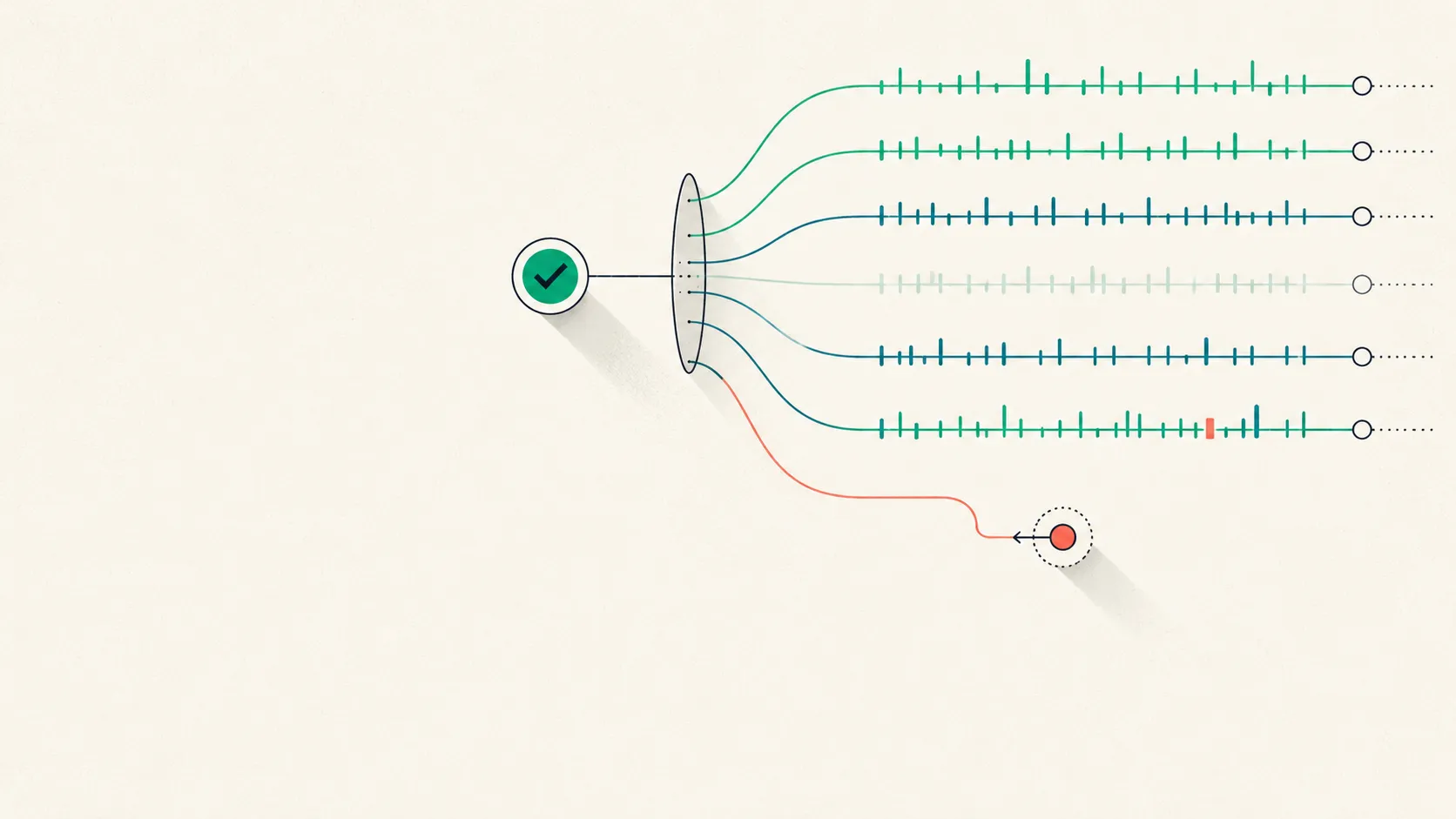
How to turn many annotator labels into one gold label: majority vote, Dawid-Skene, MACE, STAPLE, and expert adjudication, with a table for when each fits.
 Annotation Operations & Ethics
Data annotation consent explained: HIPAA de-identification vs a BAA, GDPR special-category data, who owns the labels, and how to license a dataset.
 Annotation Operations & Ethics
CBCA vs reality monitoring: how two statement-credibility methods compare on criteria, accuracy, and court limits—and why neither one detects lies.
 Annotation Operations & Ethics
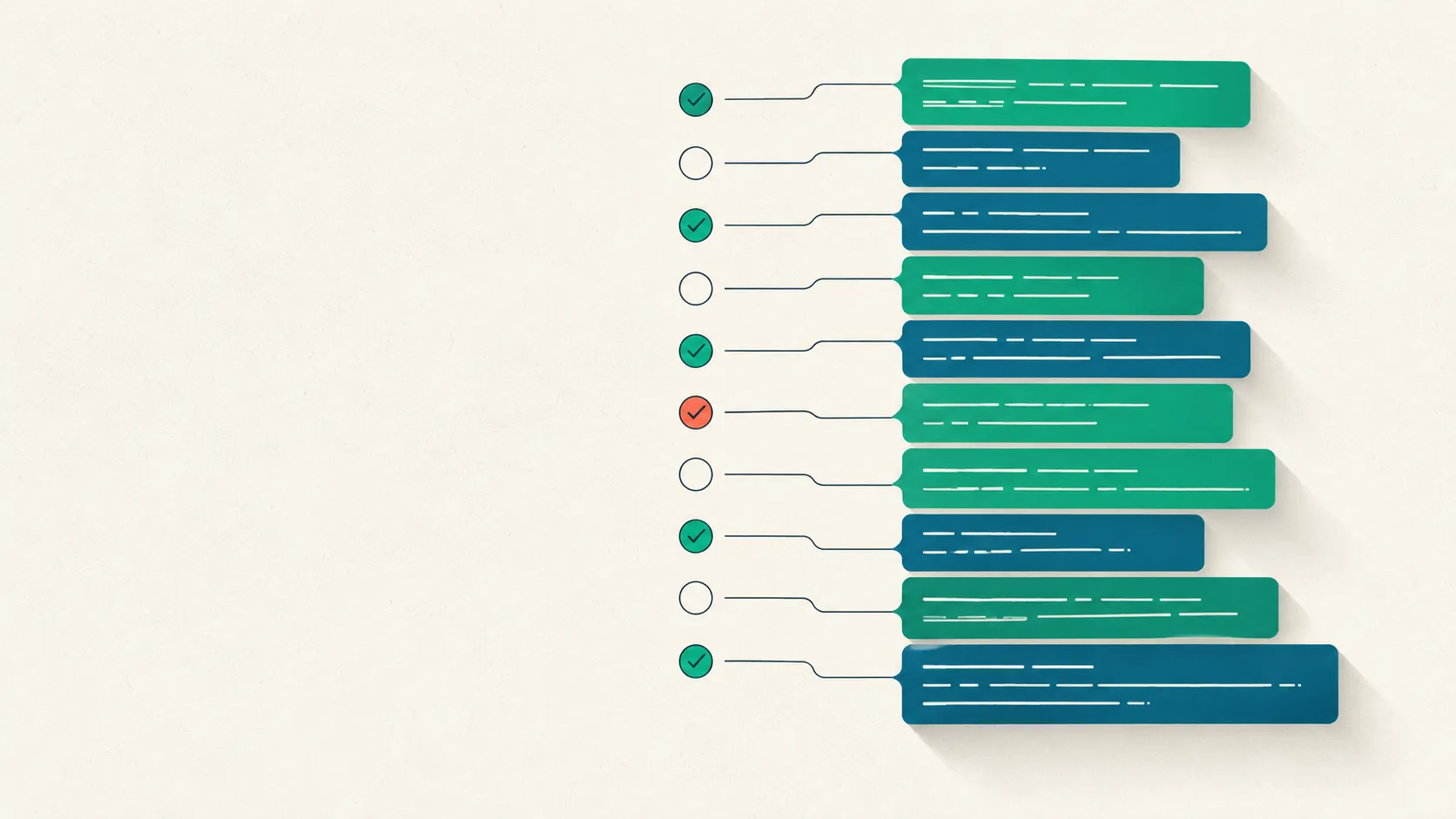
Criteria-based content analysis (CBCA) rates 19 content criteria to judge whether a statement reads as experience-based—an aid, not a lie test. See all 19.
 Annotation Operations & Ethics
Data cascades are compounding downstream failures from upstream data problems. 92% of AI teams hit them—here's why fixing labels beats tuning the model.
 Annotation Operations & Ethics
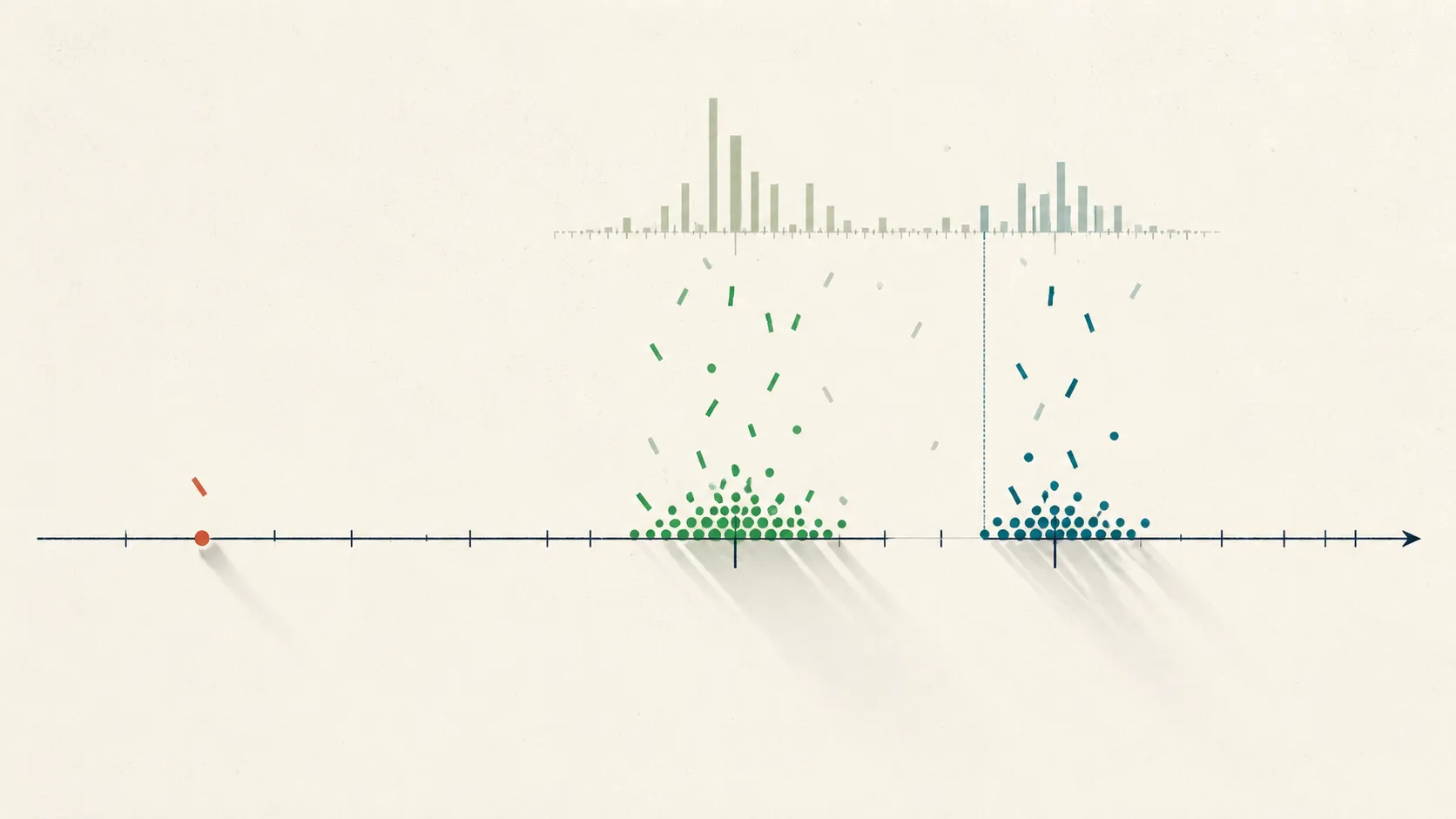
Forcing one gold label can throw away real information. See why annotator disagreement is signal, not noise, and when to reconcile versus preserve it.
 Annotation Operations & Ethics
Does pay improve annotation quality? Higher pay lifts speed, participation, and fairness—but rarely accuracy. See what really drives label quality.
 Annotation Operations & Ethics
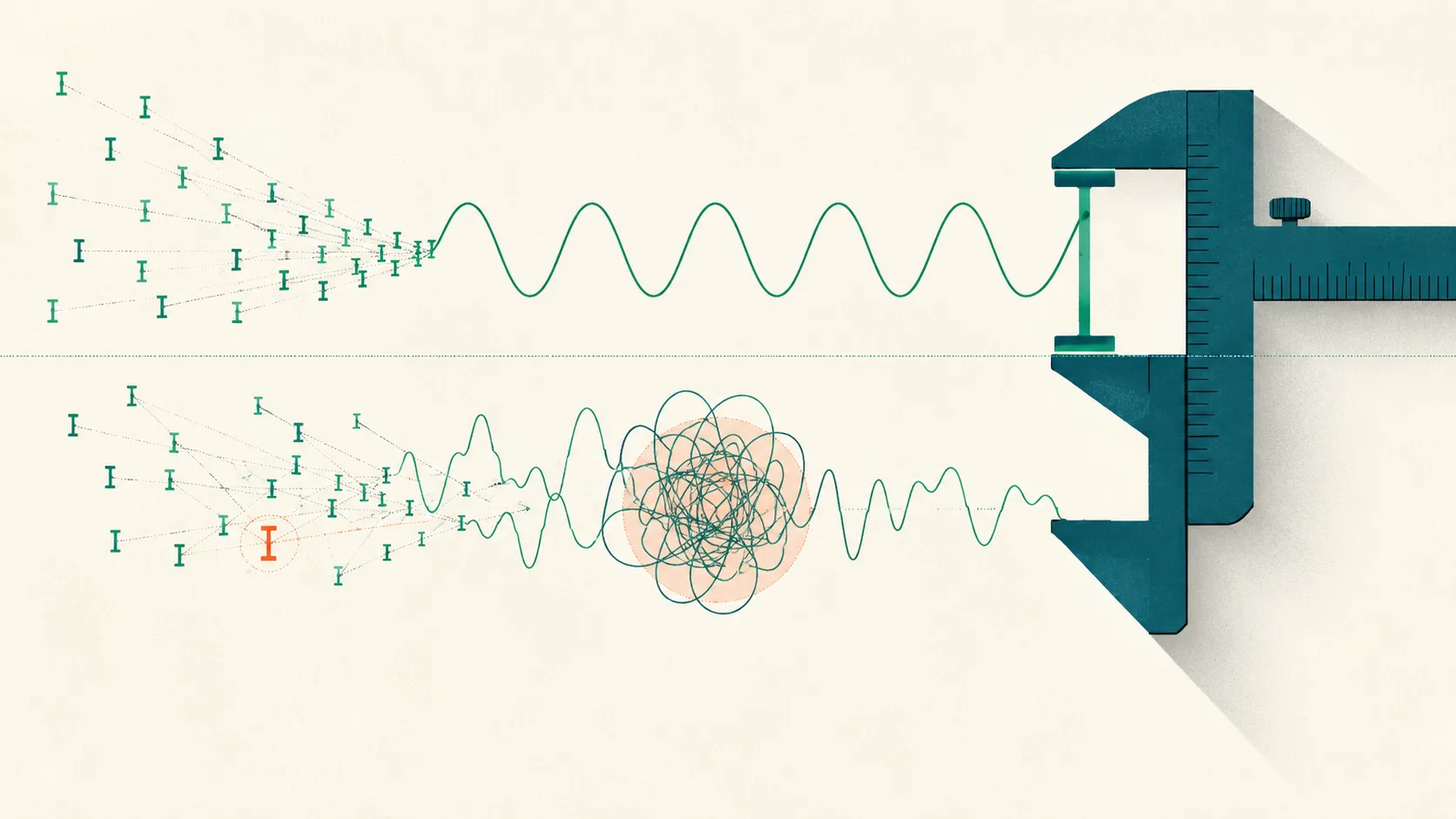
Expert vs crowd annotation: aggregated non-experts match experts on many tasks, but clinical judgment breaks the ratio. Get the decision guide.
 Annotation Operations & Ethics
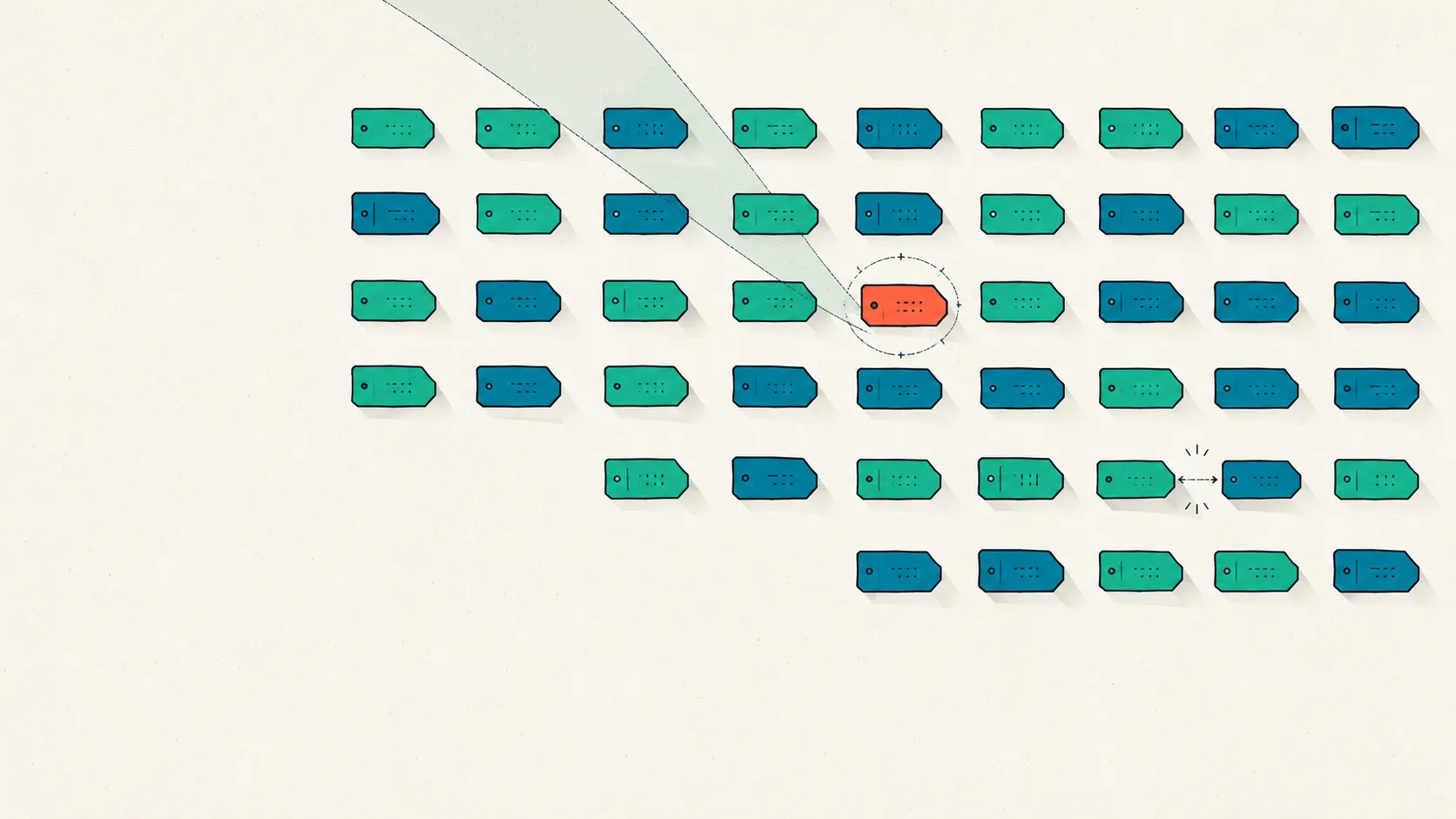
Label errors hide in almost every dataset. Learn how to find label errors in dataset audits with disagreement, model confidence, and confident learning.
 Annotation Operations & Ethics
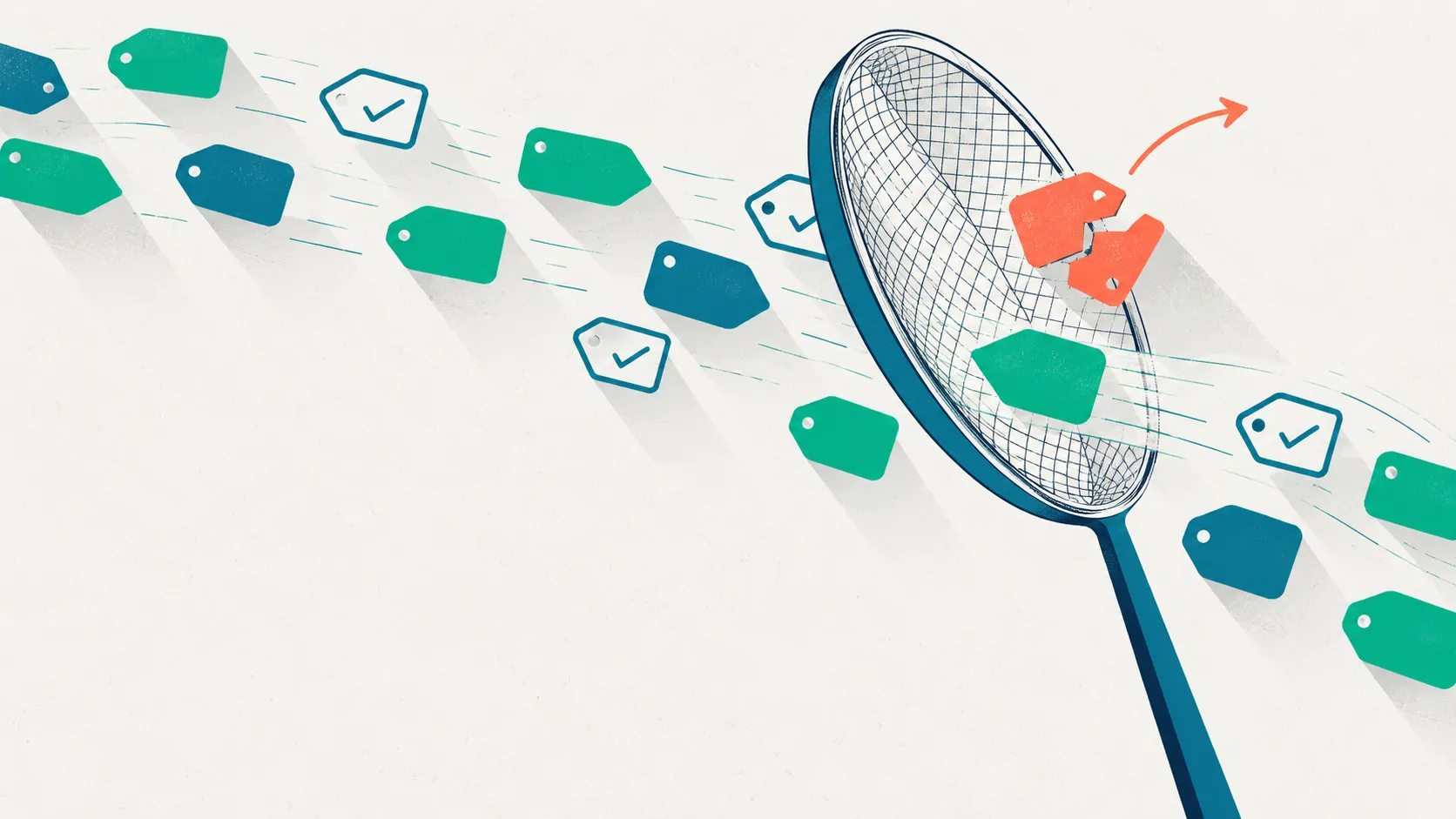
Gold questions, honeypots, and attention checks catch bad annotations—if thresholds spare legitimate disagreement. See how each QA method works.
 Annotation Operations & Ethics
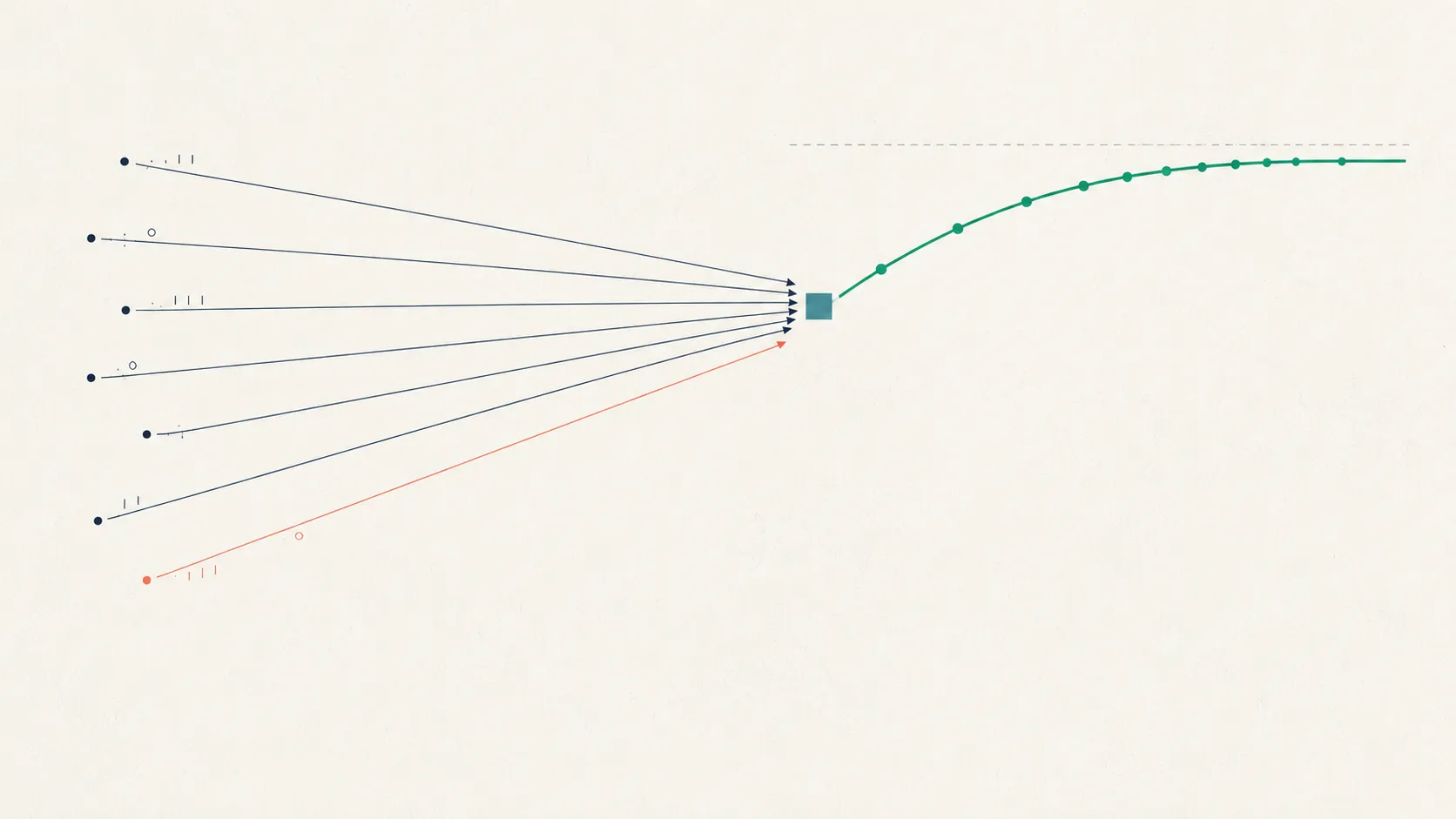
How many annotators per item do you need? One label is risky. Compare majority vote, Dawid-Skene, and MACE, and see where extra labels stop paying off.
 Annotation Operations & Ethics
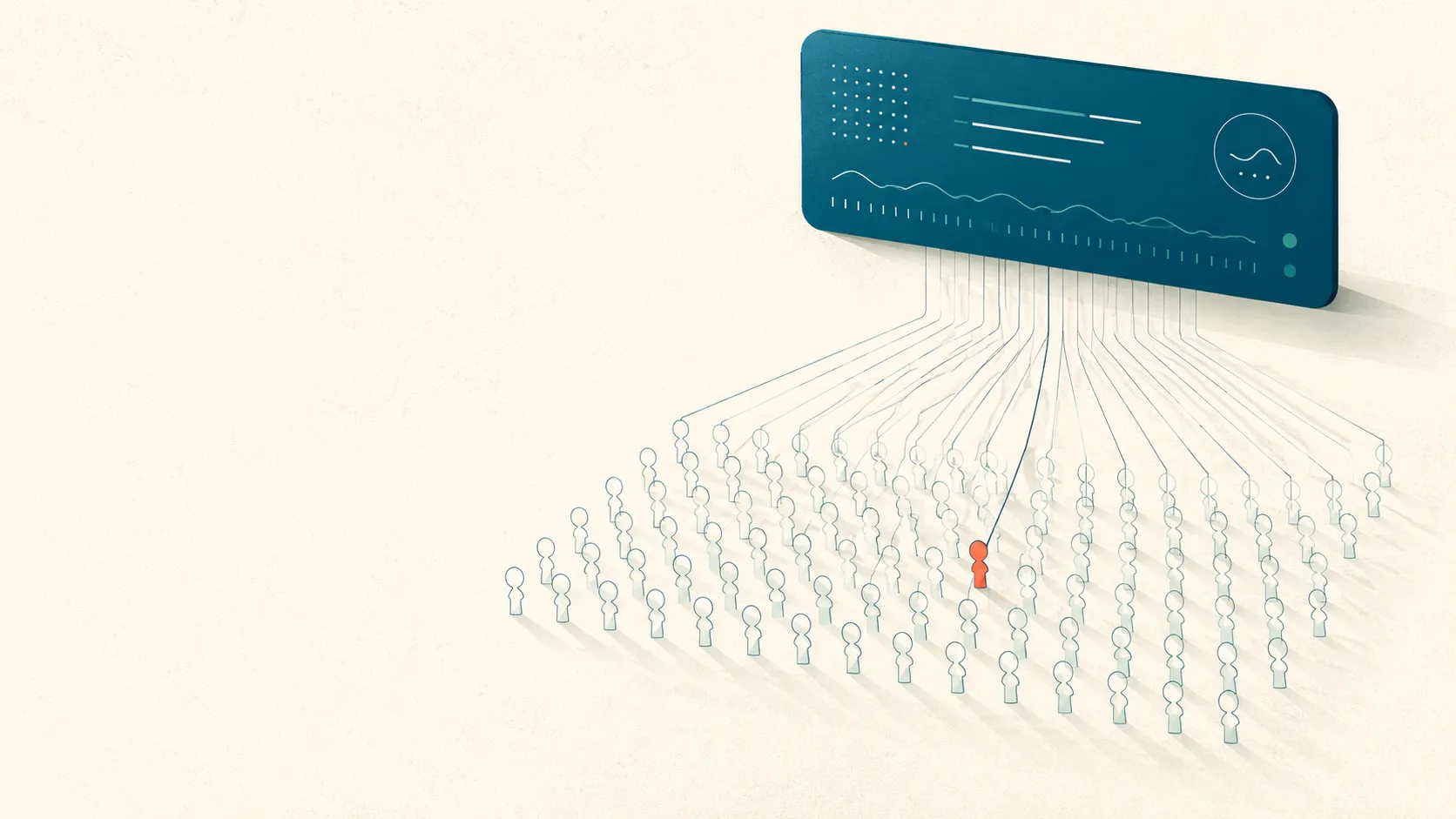
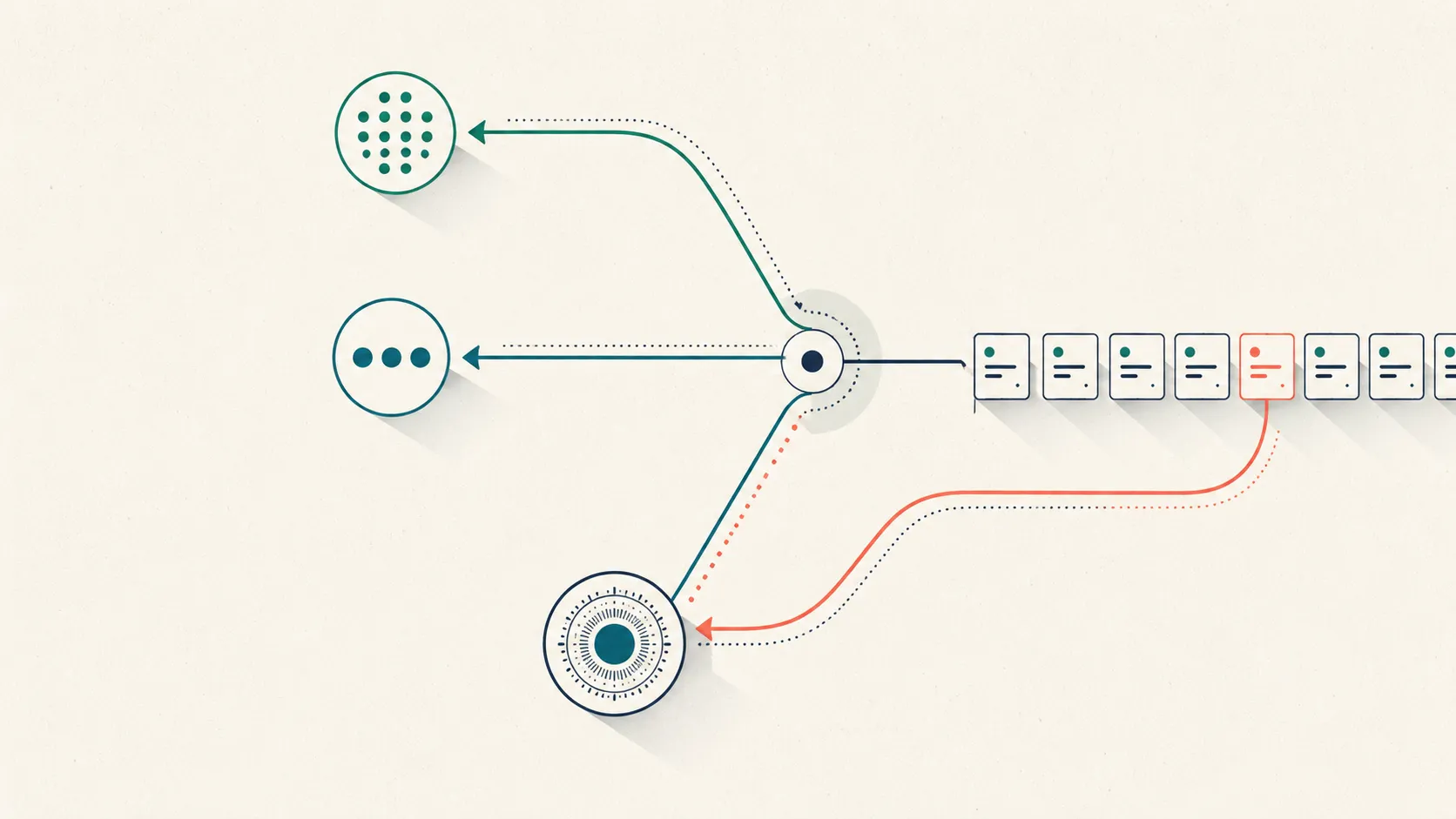
The human cost of data labeling: the underpaid, invisible ghost workers behind AI, the toll of the work, and what responsible sourcing looks like.
 Annotation Operations & Ethics
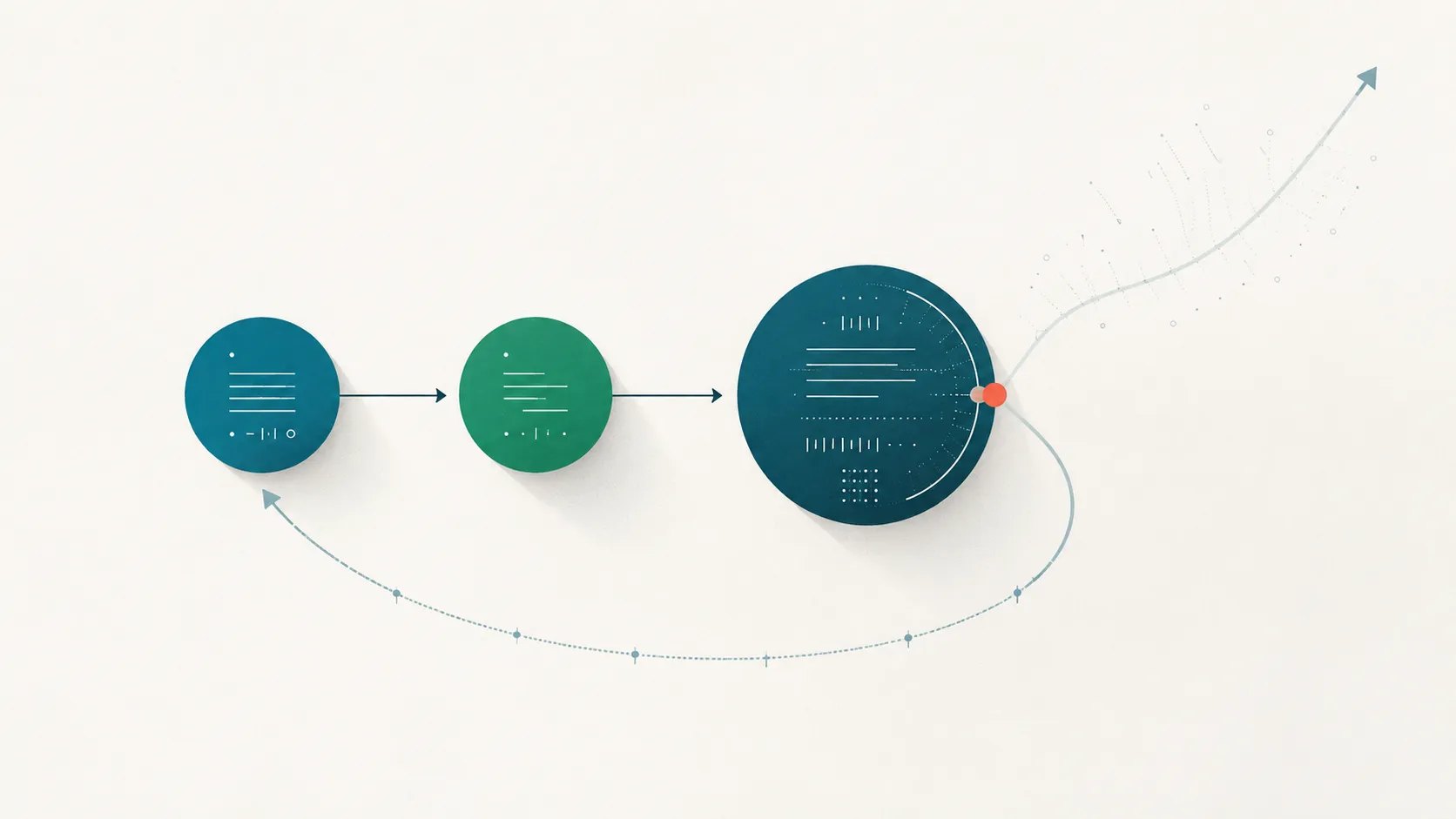
Who should annotate your data? Match annotator background to the task—expert, trained non-expert, or crowd—using a clear selection framework and matrix.
 Annotation Operations & Ethics
IRF classroom discourse is the three-move Initiation-Response-Feedback exchange behind most teacher talk. Learn to code it and read the F move.
 Annotation Operations & Ethics
To improve annotator quality, screen candidates for aptitude and train them before coding—filtering bad labels later loses. See the evidence.
 Annotation Operations & Ethics
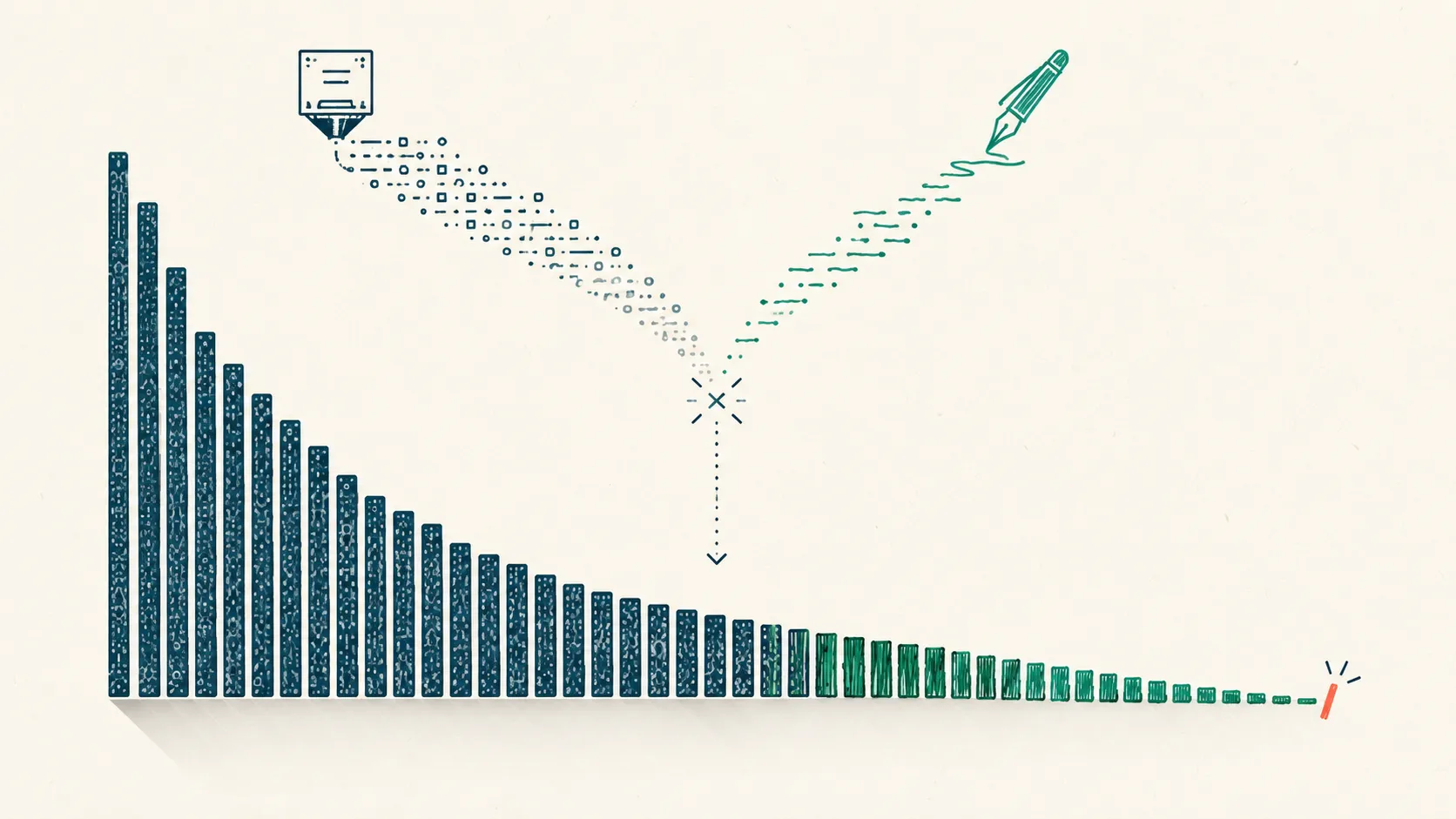
Synthetic data vs human annotation: when LLM-generated labels are cheap and good, where they miss the tail, and how to build a hybrid you can trust.