 Methods & Frameworks
VR-CoDES Coding System: Cues, Concerns, and Responses
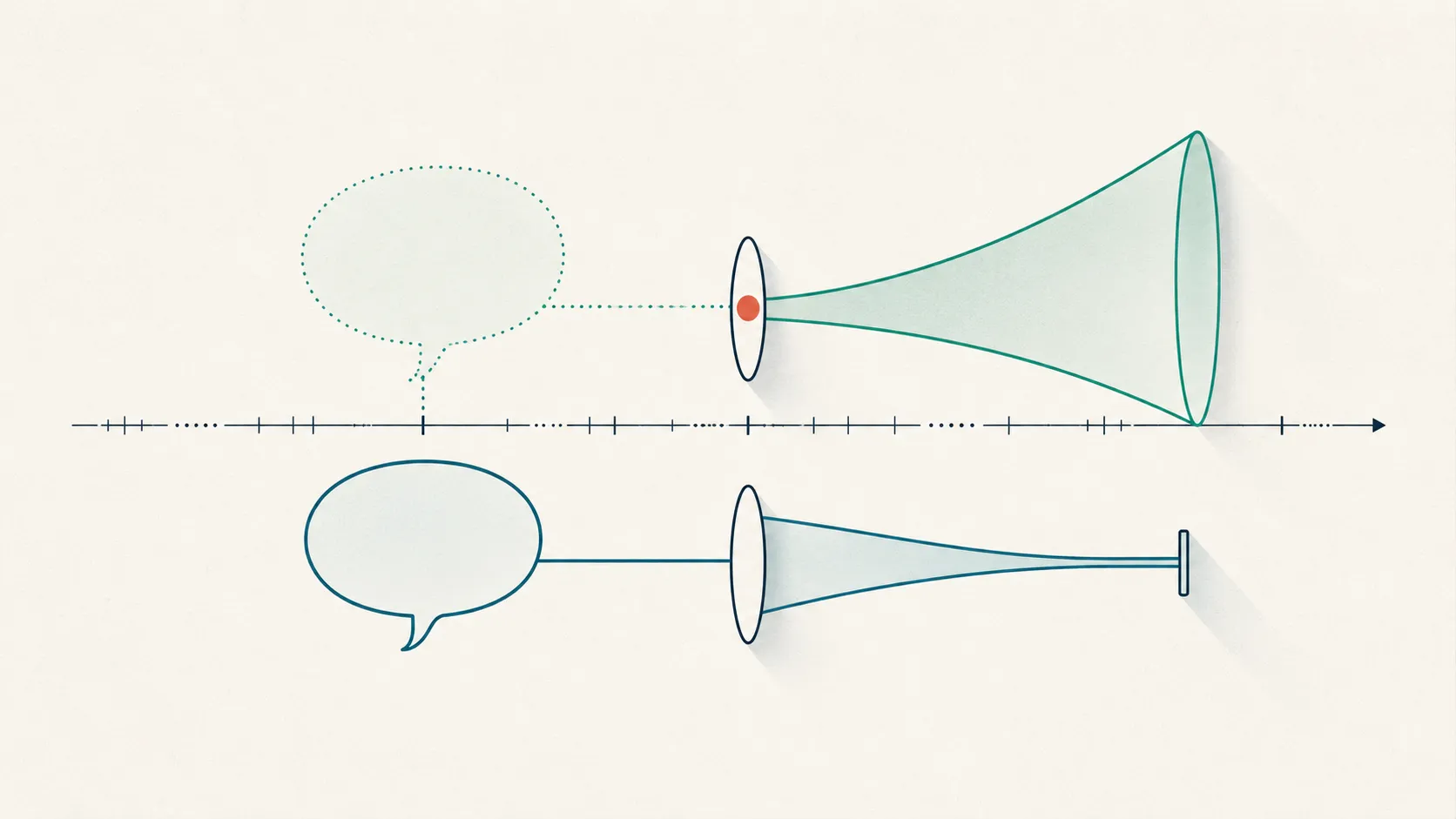
How the VR-CoDES coding system codes patient emotional cues versus concerns and the provider response, using the providing-space vs reducing-space axis.
Read
18 articles
Qualitative coding is a family of methods, not a single technique, and choosing among them is the first methodological decision of any language-analysis project. These articles cover the major approaches—thematic analysis, grounded theory, content analysis, framework analysis—along with the deductive-versus-inductive choice that shapes everything downstream, from codebook design to what counts as a finding.
Alongside the general frameworks sit the specialized coding systems that clinical research runs on: motivational-interviewing process codes like the MISC and MITI, communication taxonomies like VR-CoDES, and the protocols that turn a therapy session or medical consultation into utterance-level data. The mechanics matter here—unitizing, memo writing, hierarchical code structures, and the codebook development cycle that keeps a scheme usable after its authors move on.
Throughout, the emphasis is practical: what the method assumes, where it breaks, and how to document the process well enough that a reviewer—or a second coder—can follow what you did.
Methods & FrameworksHow the VR-CoDES coding system codes patient emotional cues versus concerns and the provider response, using the providing-space vs reducing-space axis.
 Methods & Frameworks
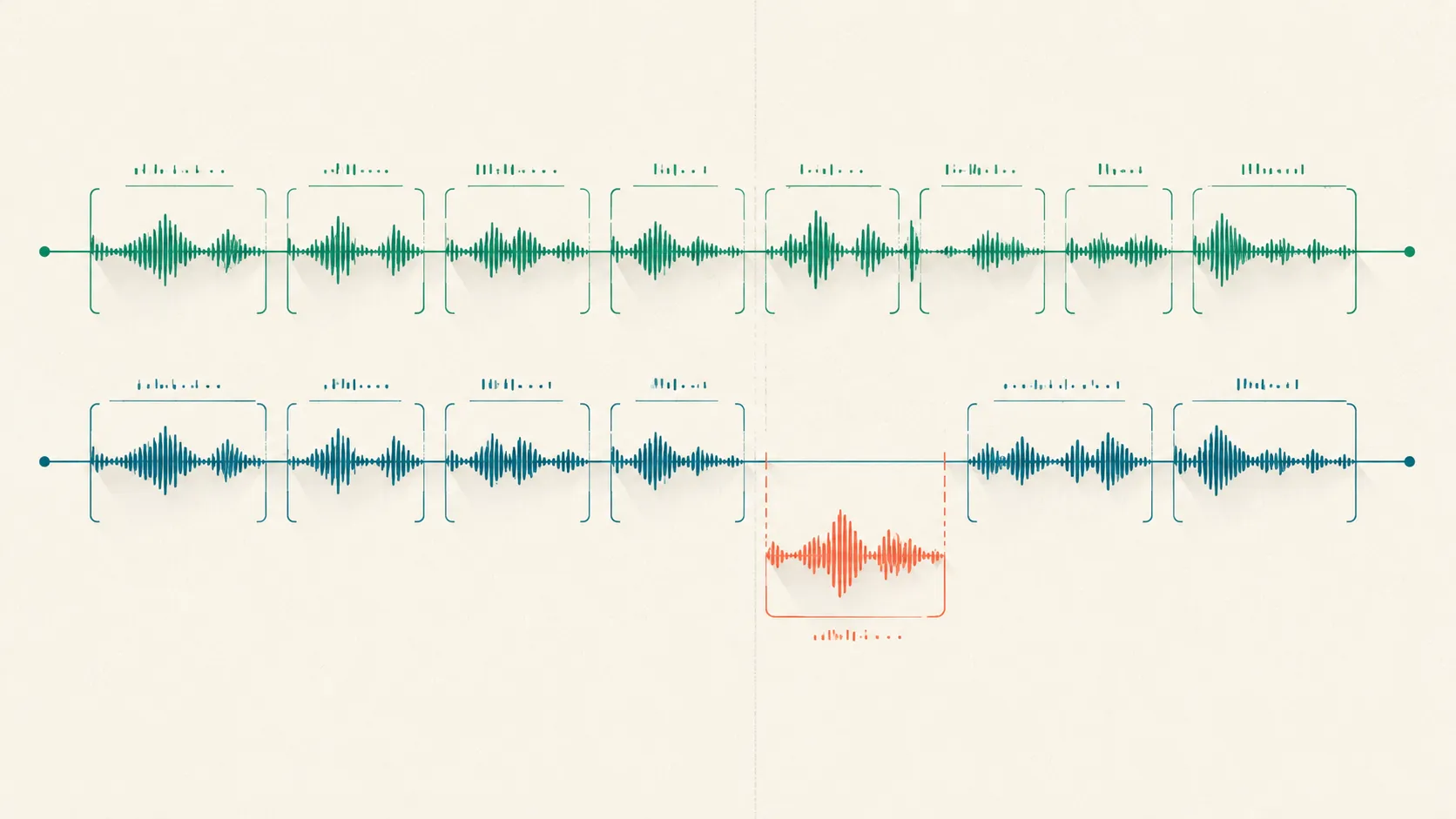
Localize a rating scale for coding in a second language: what back-translation validates, what it misses, and how to re-anchor the coding examples.
 Methods & Frameworks
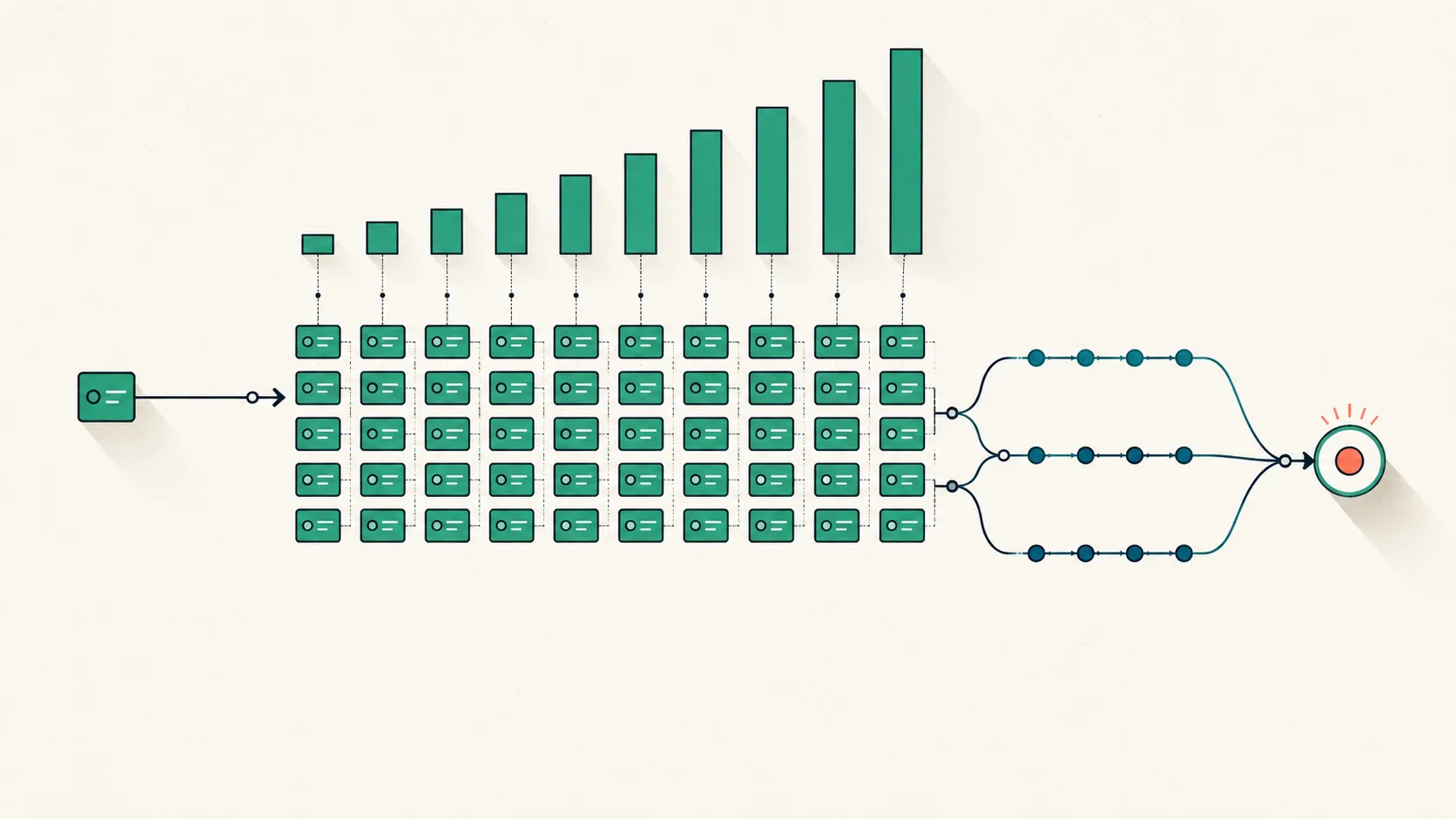
An annotation cost calculator: turn items, labels per item, time, wage, redundancy, and QA overhead into a labeling budget and timeline. See the math.
 Methods & Frameworks
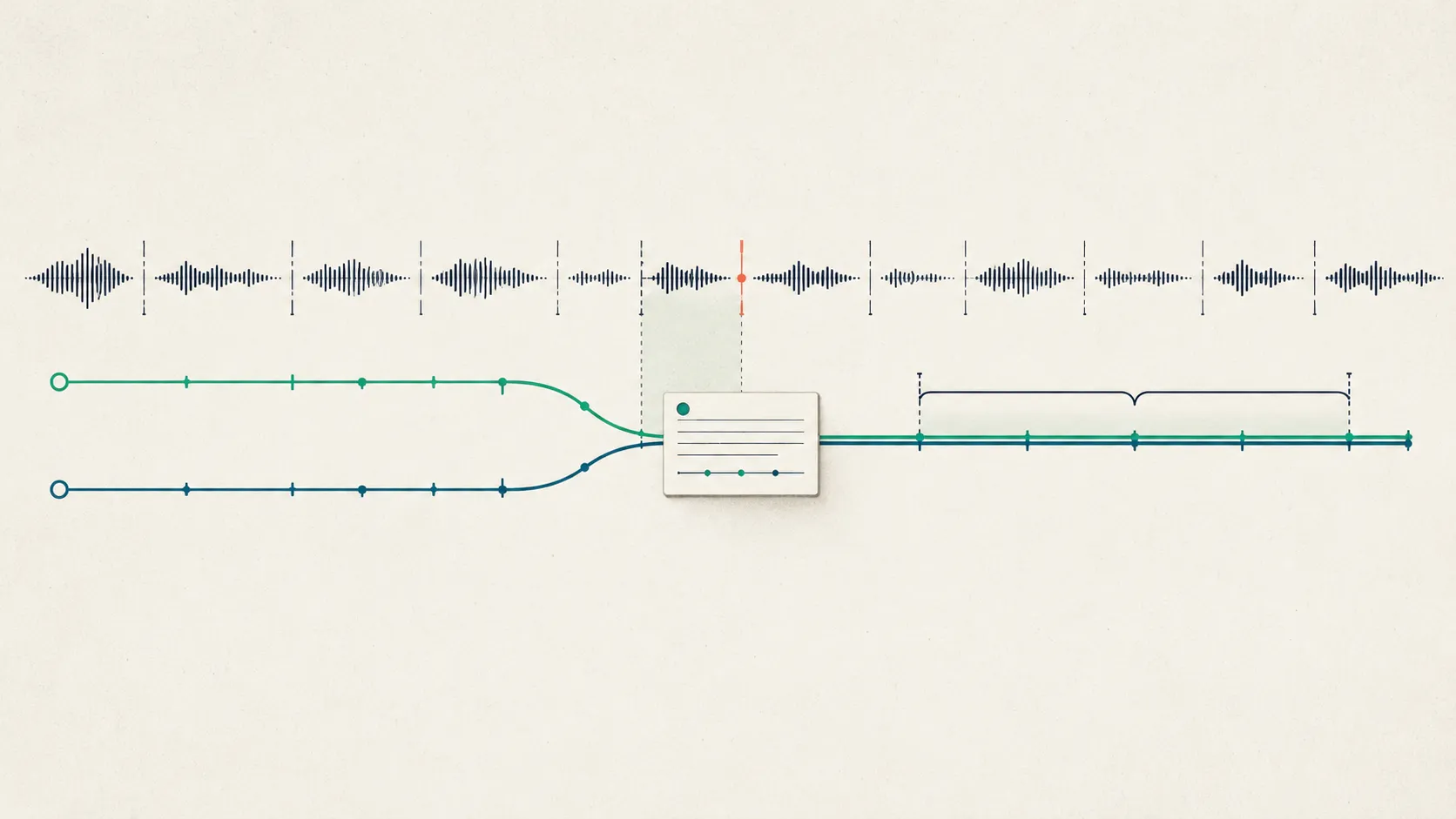
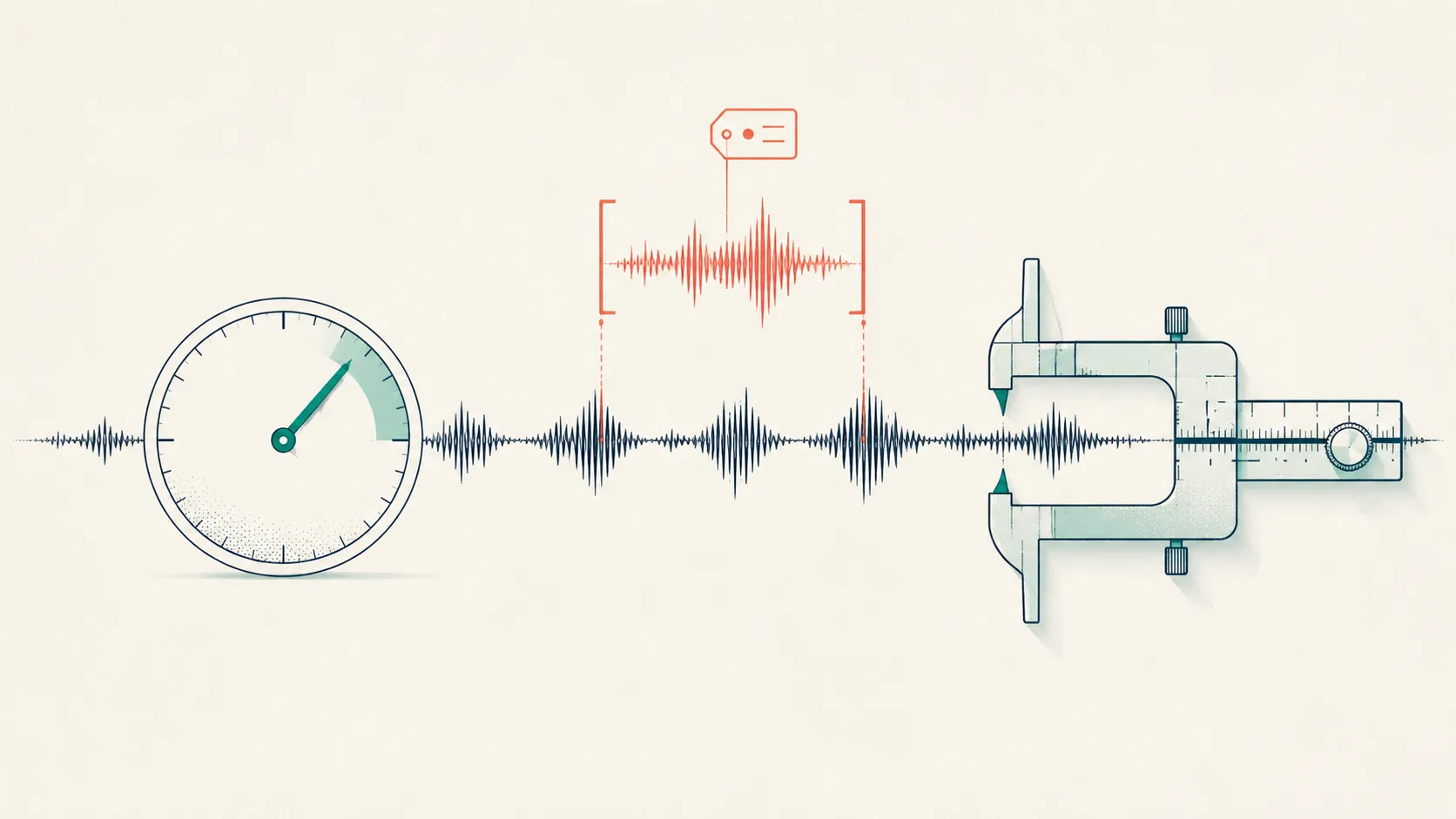
Write annotation guidelines that reduce annotator disagreement: operational definitions, positive and negative examples, and an edge-case decision log.
 Methods & Frameworks
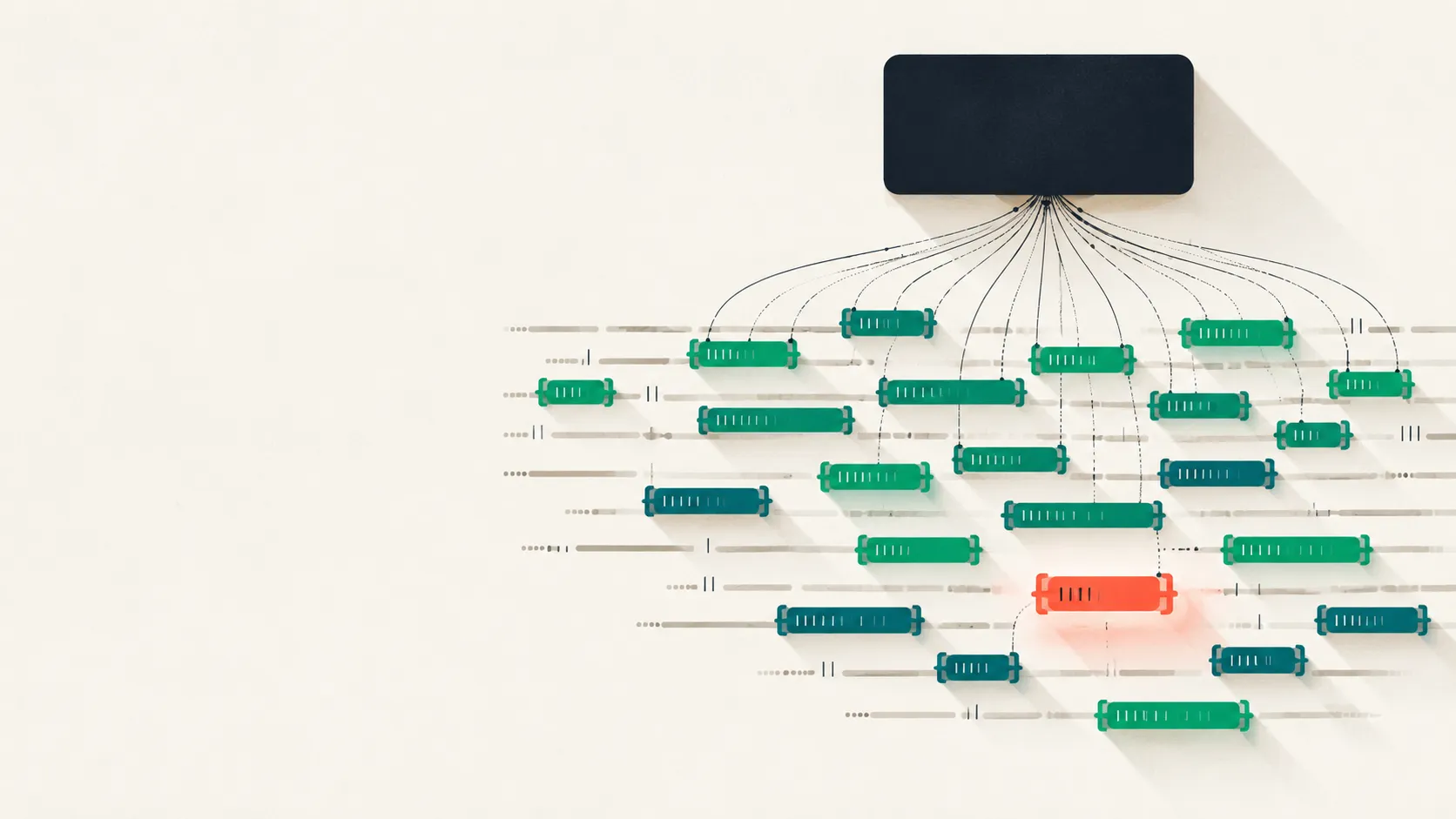
Clinician-rated vs self-report scales compared: who rates, the bias each carries, reliability and cost trade-offs, and transcript coding as a third path.
 Methods & Frameworks
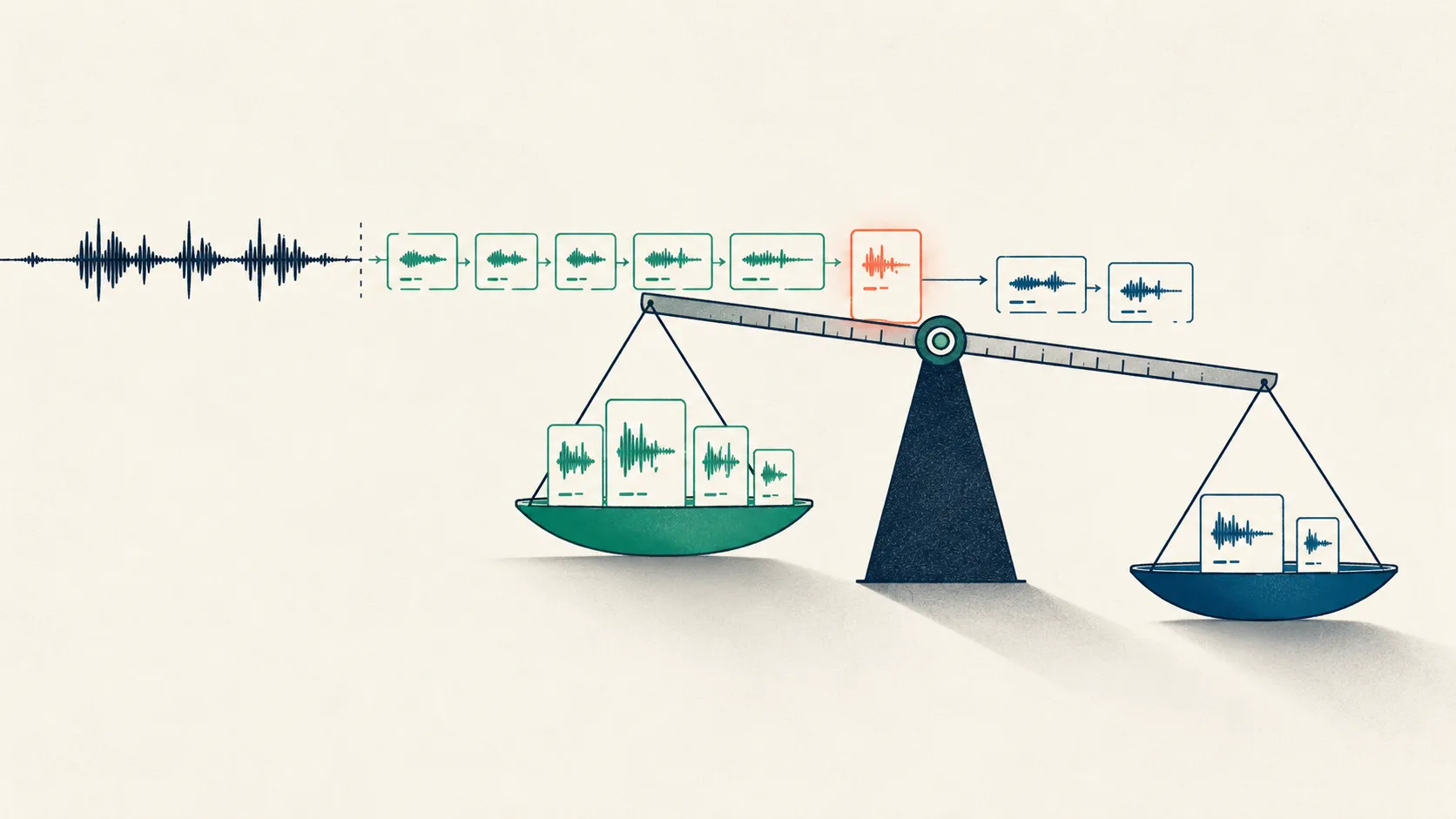
Turn DSM-5 and ICD-11 criteria into observable, taggable phenomena: a worked MDD-to-PHQ-9 mapping and why you annotate symptoms, not a diagnosis.
 Methods & Frameworks
Change talk vs sustain talk, coded: how the MISC classifies client language, why the balance predicts outcomes, and how to segment it reliably.
 Methods & Frameworks
MISC vs MITI, disambiguated: the MITI codes the clinician's MI fidelity; the MISC codes the client's change and sustain talk. Compare purpose and use.
 Methods & Frameworks
How MITI motivational interviewing coding works: behavior counts, four global scores, and the R:Q ratio and %complex reflections that grade MI fidelity.
 Methods & Frameworks
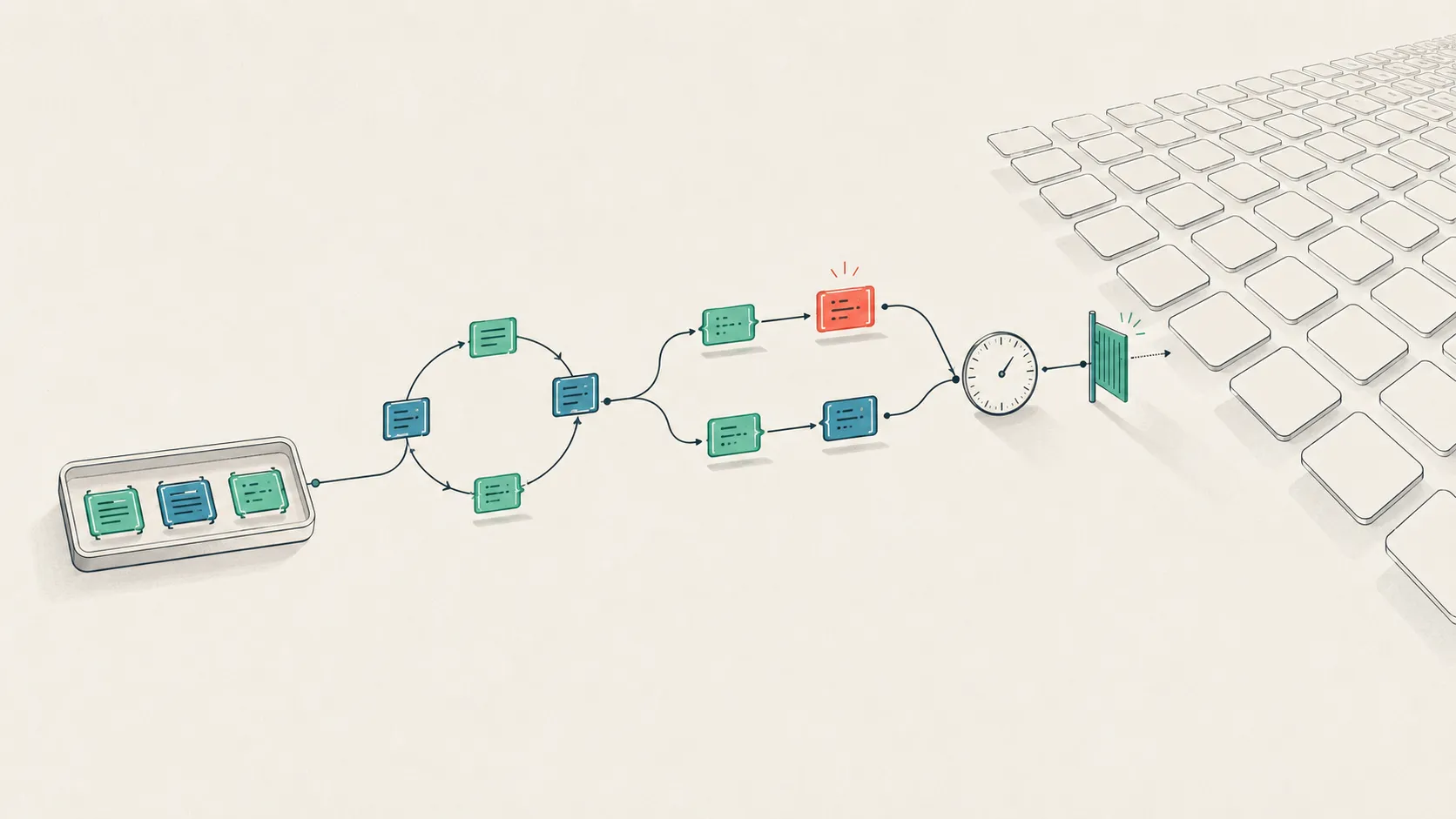
Run a pilot annotation round before you scale: scope, sample size, double-coding, measuring agreement, and revising the codebook. See the checklist.
 Methods & Frameworks
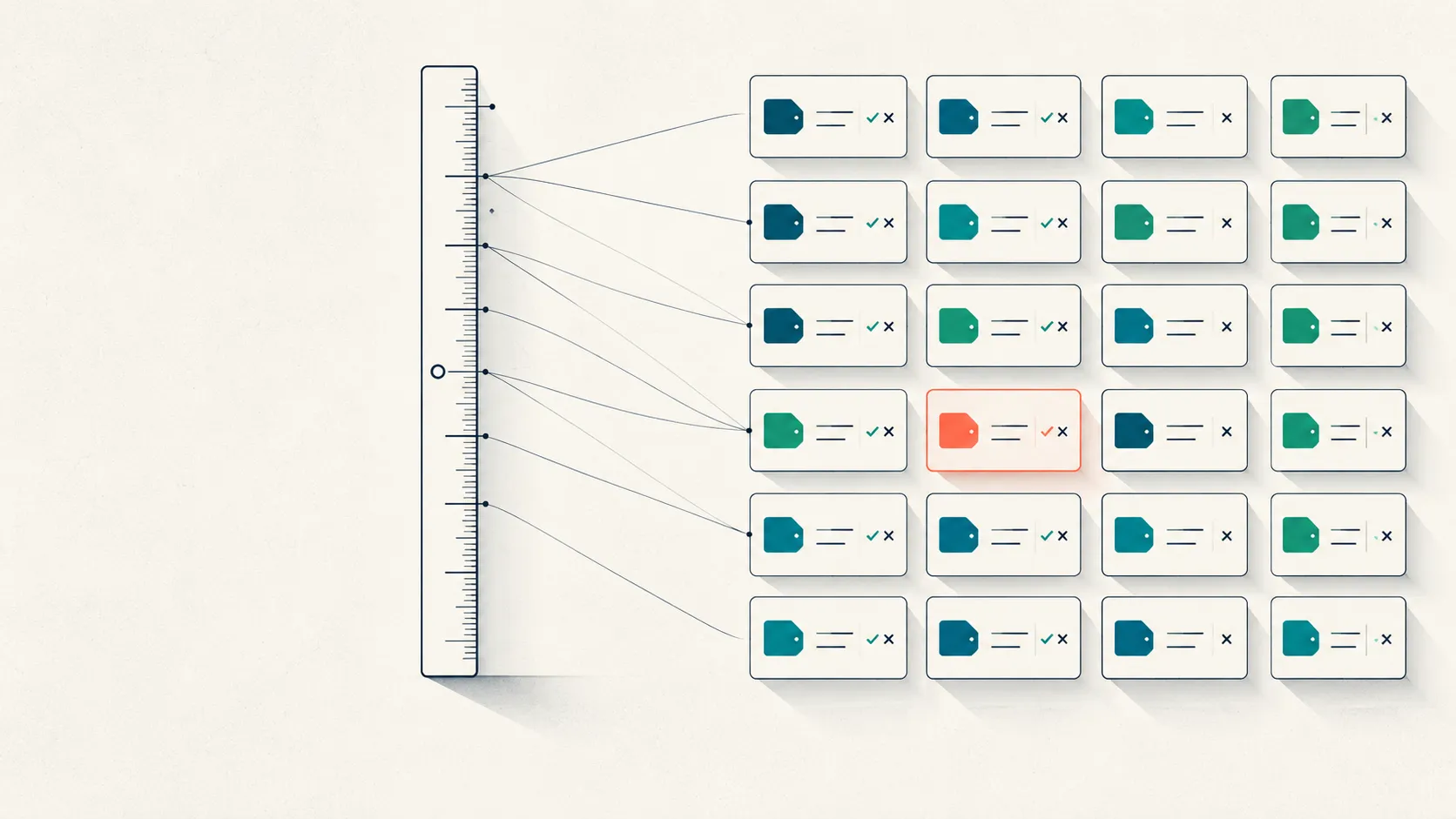
A step-by-step method to go from rating scale to codebook: turn each item into a code, anchors, examples, and decision rules coders apply consistently.
 Methods & Frameworks
The Empathic Communication Coding System codes empathy in clinical talk as a two-step sequence: patient opportunities, then a 0–6 provider response ladder.
 Methods & Frameworks
Labov and Waletzky narrative analysis breaks an oral story into six parts. See each part, why evaluation is the heart, and how reliably it can be coded.
 Methods & Frameworks
The NICHD protocol classifies a forensic interviewer's prompts from open to suggestive. See the five types, why open prompts win, and how to code them.
 Methods & Frameworks
The OPTION scale rates how far a clinician involves the patient in a decision. See the behaviors it scores, why real scores are low, and how to code it.
 Methods & Frameworks
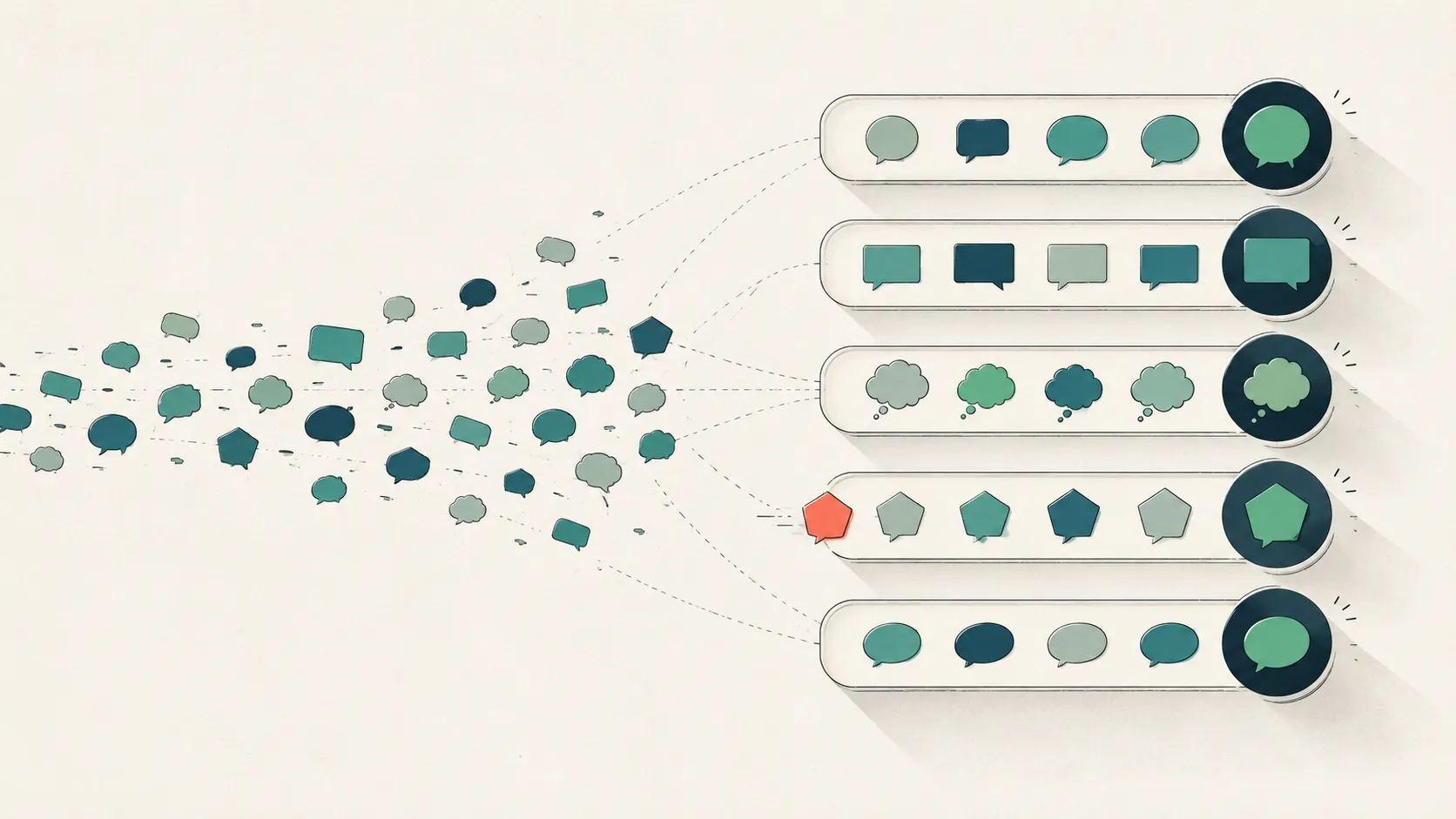
Searle's speech acts sort every utterance into five illocutionary types. See the classes, direction of fit, examples, and the tie to dialogue-act tagging.
 Methods & Frameworks
The Toulmin model of argumentation breaks an argument into six functional parts. See the elements, a worked example, and why warrants are hardest to code.
 Methods & Frameworks
How Gottschalk-Gleser content analysis scores affect in speech, clause by clause—the seven depression subscales, the weighted coding, and its NLP legacy.