 Rating Scales
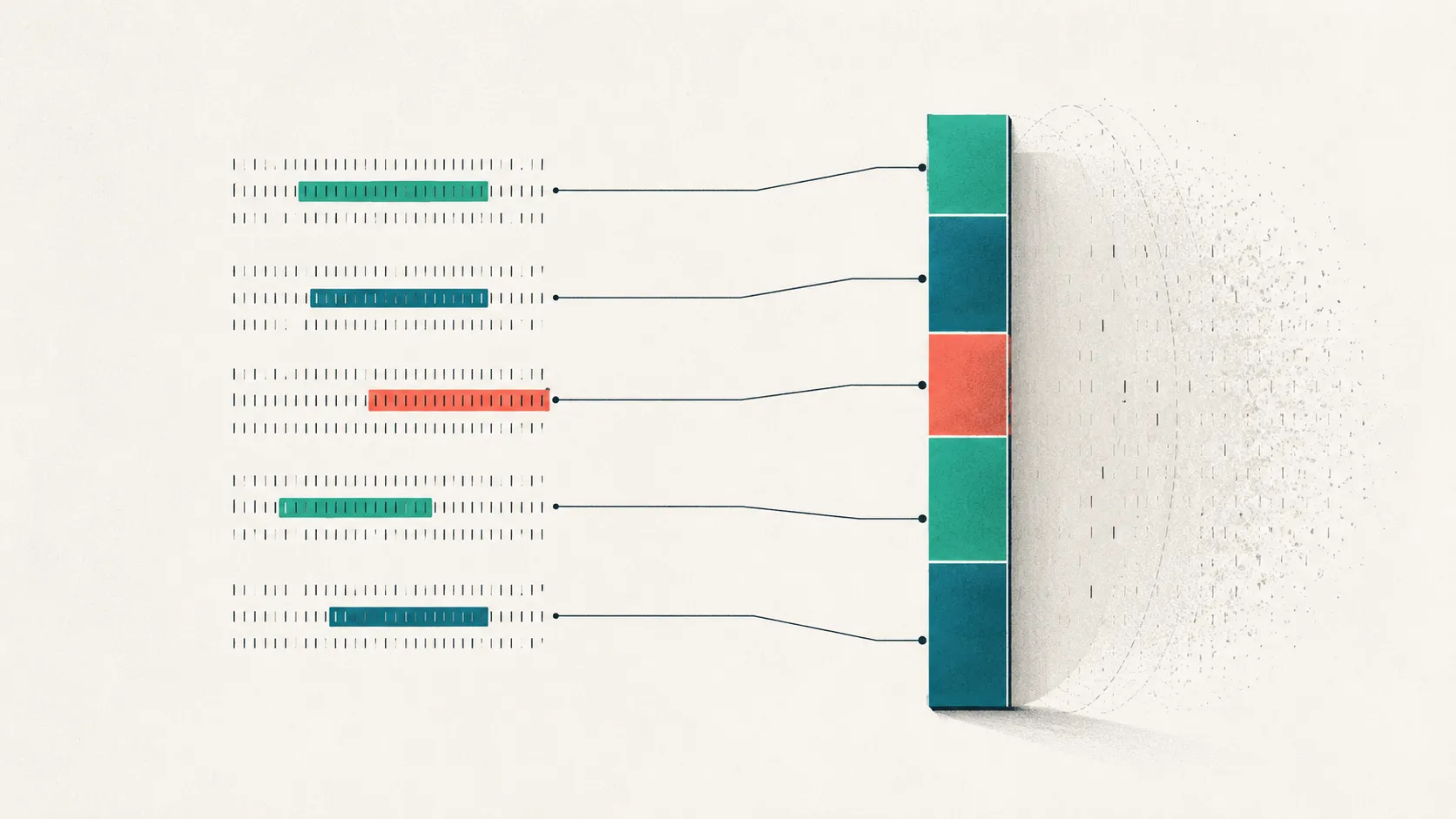
Auditable Clinical Ratings: Score From the Transcript
Build an auditable clinical rating by tying every scale item to a quoted line, not a global impression. See how span-grounded scoring works.
Read
13 articles
Every measurement decision in a clinical or behavioral study eventually runs through an instrument: which scale you pick, how its anchors are worded, and where its cutoffs sit determine what your data can and cannot say. These articles treat rating scales as working tools rather than static PDFs—item structures, scoring rules, psychometric properties, and the licensing fine print that projects tend to discover too late.
The recurring theme is coding from language. A scale like the PHQ-9 or the TLC was validated under specific administration conditions, and rating it from an interview transcript is its own skill—anchor by anchor, with the boundary cases spelled out. We compare instruments that target the same construct, unpack what a total score actually summarizes, and flag where common practice drifts from what the original validation papers support.
Scale facts cited here—item counts, ranges, thresholds—are transcribed from primary sources with DOIs, and each post links to the corresponding entry in the Tagaroo Scale Library where the instrument exists as a guided annotation workflow.
Rating ScalesBuild an auditable clinical rating by tying every scale item to a quoted line, not a global impression. See how span-grounded scoring works.
 Rating Scales
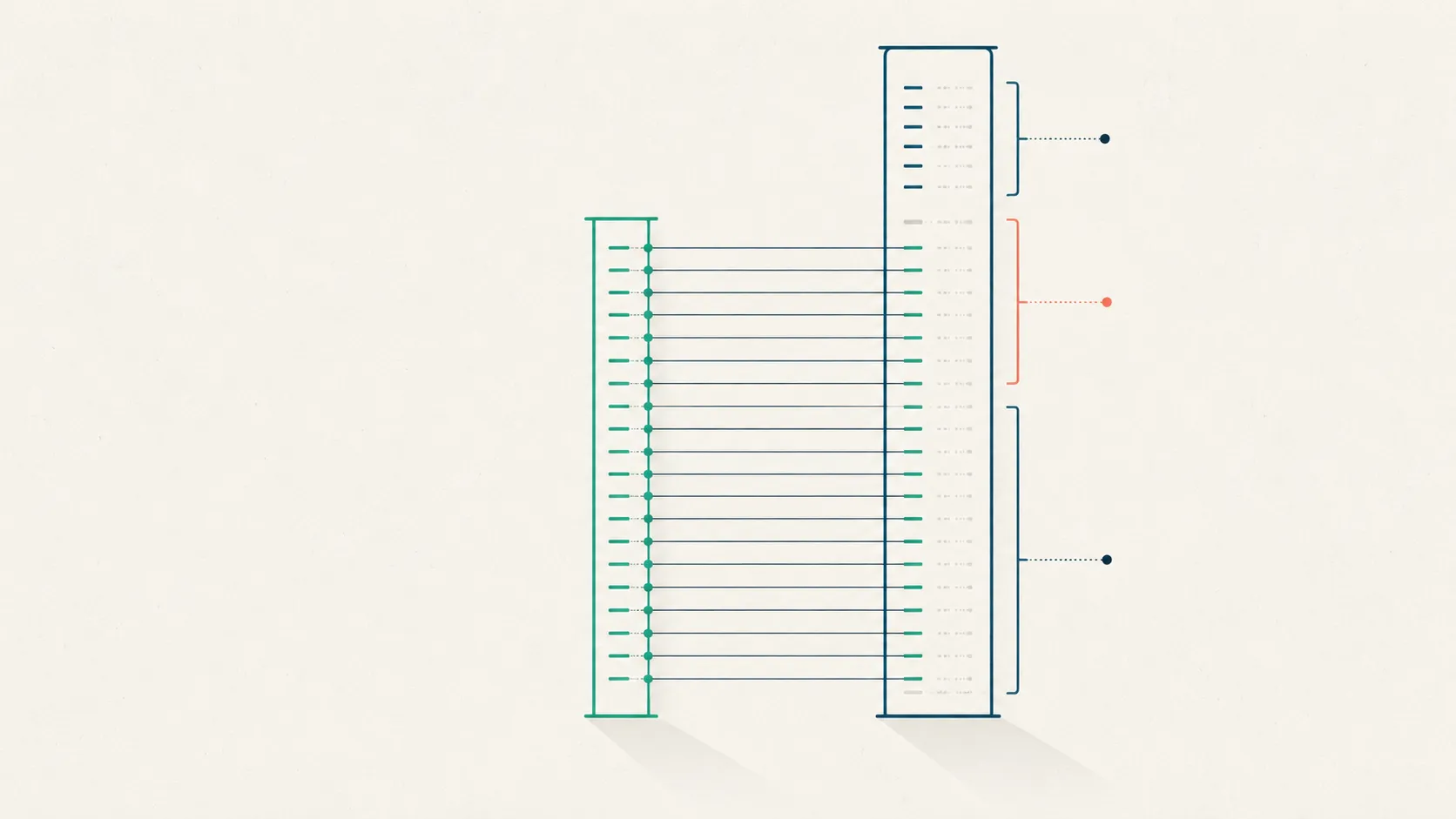
BPRS vs PANSS compared: item overlap, the positive-negative-general structure, trial usage, and score linking. See which psychosis scale to use.
 Rating Scales
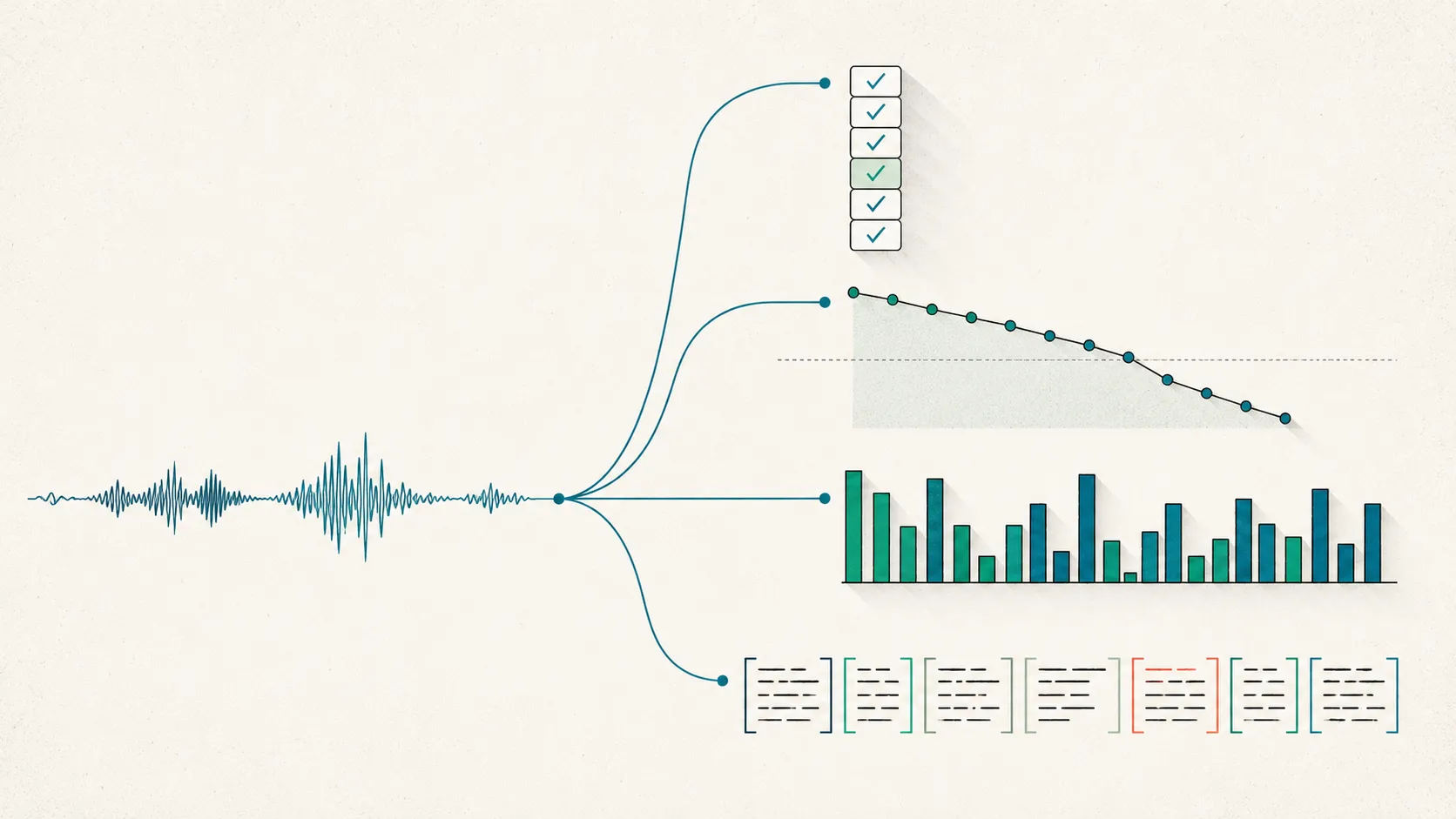
Depression rating scales compared: HAM-D, MADRS, PHQ-9, and content analysis by rater, item count, and change-sensitivity. See which fits your study.
 Rating Scales
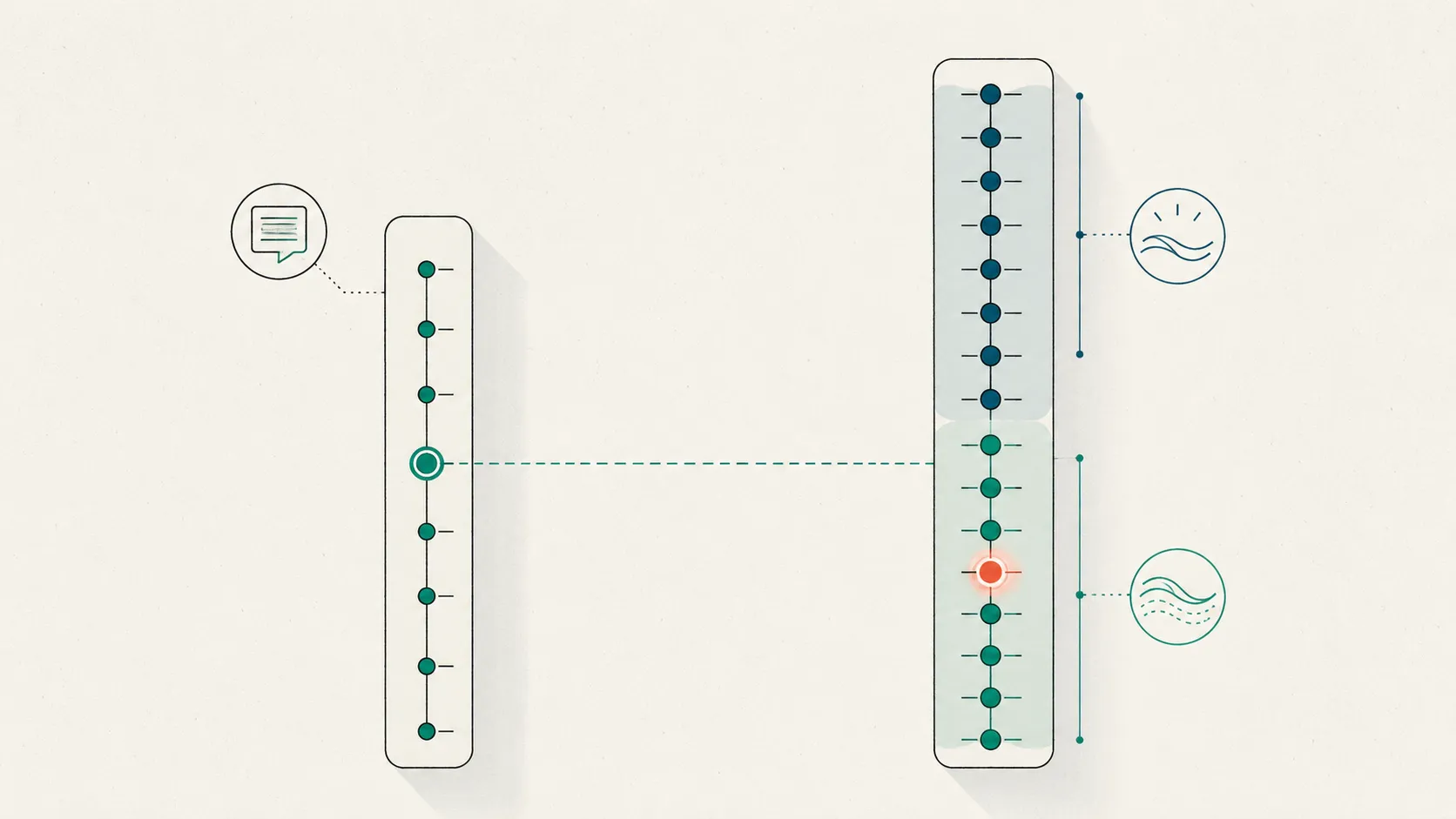
GAD-7 vs HAM-A compared: the 7-item self-report anxiety screen against the 14-item clinician-rated severity endpoint. See which anxiety scale to use.
 Rating Scales
TLC vs SAPS thought disorder, compared: the 18-item TLC glossary vs the 8-item SAPS positive-FTD subscale, with an overlap grid and when to use each.
 Rating Scales
MADRS vs HAM-D compared: items, somatic weighting, sensitivity to change, score conversion, and remission cutoffs. See which depression scale to use.
 Rating Scales
The Brief Psychiatric Rating Scale (BPRS) rates psychopathology on 7-point items. See the scoring, the factor structure, BPRS vs PANSS, and how to code it.
 Rating Scales
The Hamilton Anxiety Rating Scale (HAM-A) is a 14-item clinician measure. See the psychic and somatic items, the scoring, the cutoffs, and how to code it.
 Rating Scales
The GAD-7 is a seven-item anxiety screen. See the 5/10/15 severity bands, the ≥10 cutoff, and how to code it from an interview transcript.
 Rating Scales
How the Hamilton Depression Rating Scale (HAM-D) is scored and coded: the 17 items, the 0–52 range, remission and response cutoffs, and its known flaws.
 Rating Scales
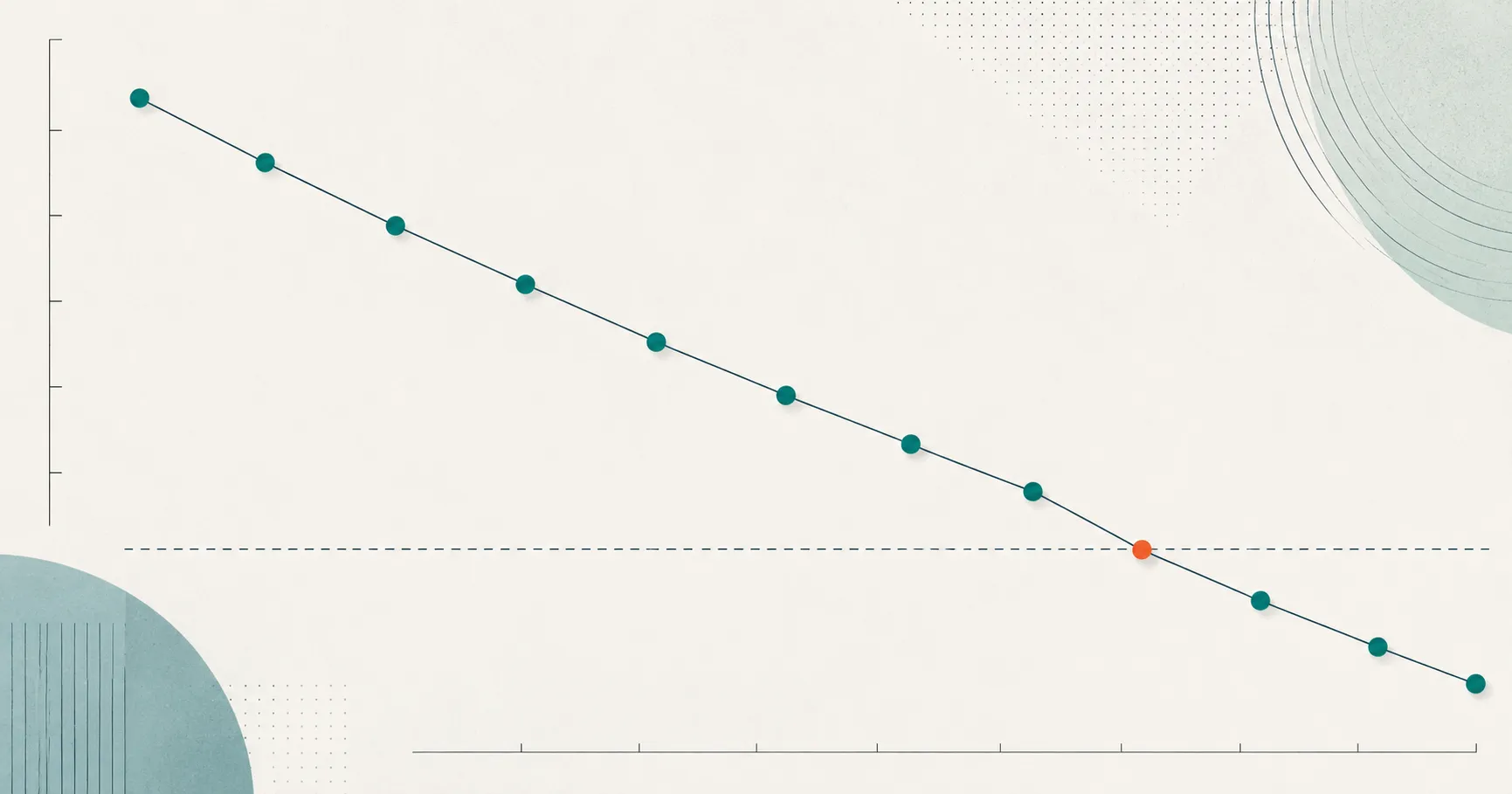
MADRS scoring explained: the 10 clinician-rated items, the 0-6 anchors, severity bands, and the response and remission cutoffs. See how it's coded.
 Rating Scales
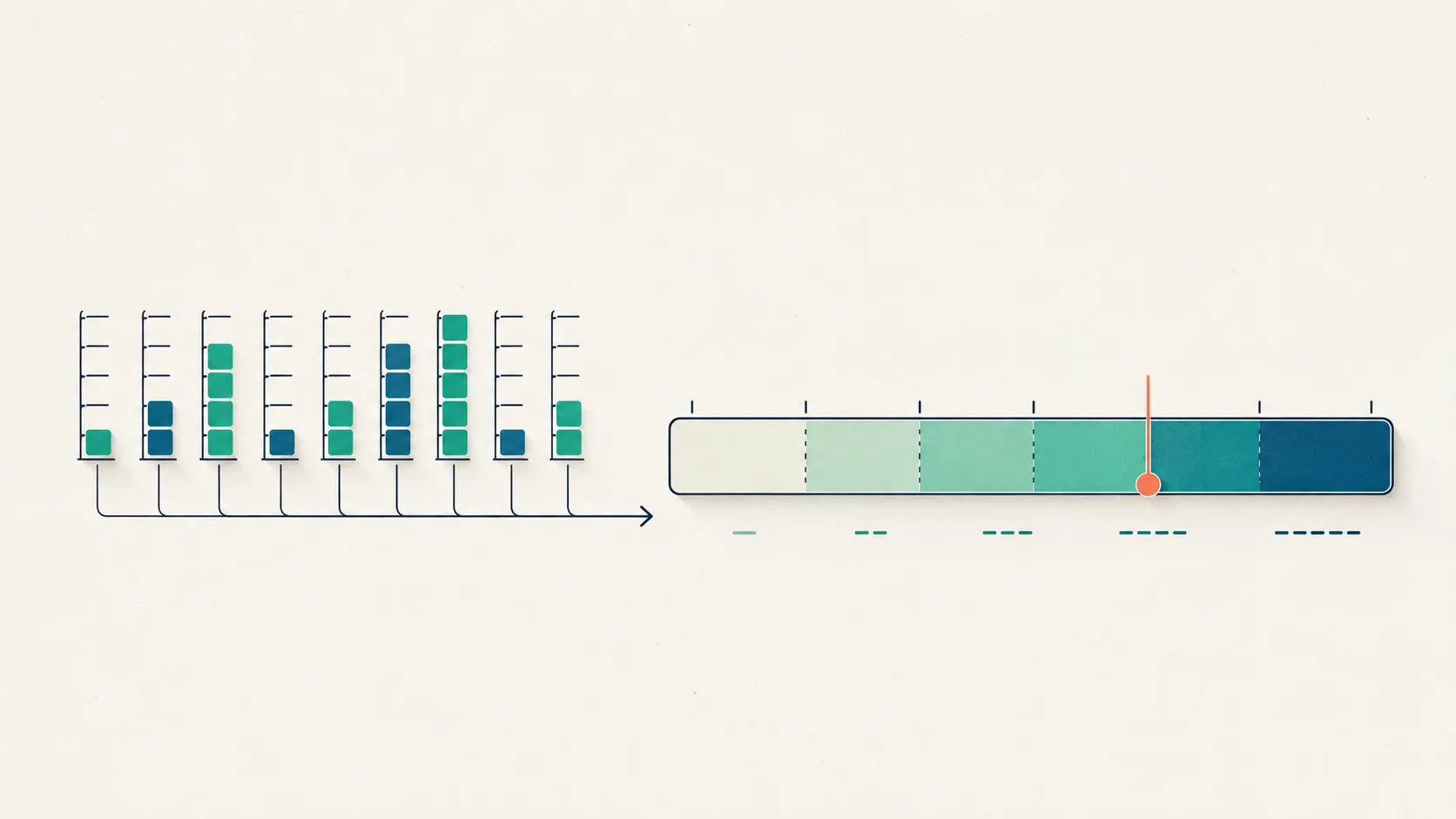
PHQ-9 scoring made clear: what the nine items measure, the 0-3 anchors, the severity bands, the ≥10 cutoff, and how to code a PHQ-9 from an interview.
 Rating Scales
The Young Mania Rating Scale (YMRS) explained: its 11 items, the four double-weighted items, severity bands, and how to rate mania from interview speech.